Britain's festival circuit is showing renewed momentum after several turbulent years, with sold-out events and a broader mix of experiences helping promoters rebuild audience confidence. Yet the recovery is uneven: smaller independent festivals continue to grapple with escalating costs, tight margins, and increasingly selective consumers.
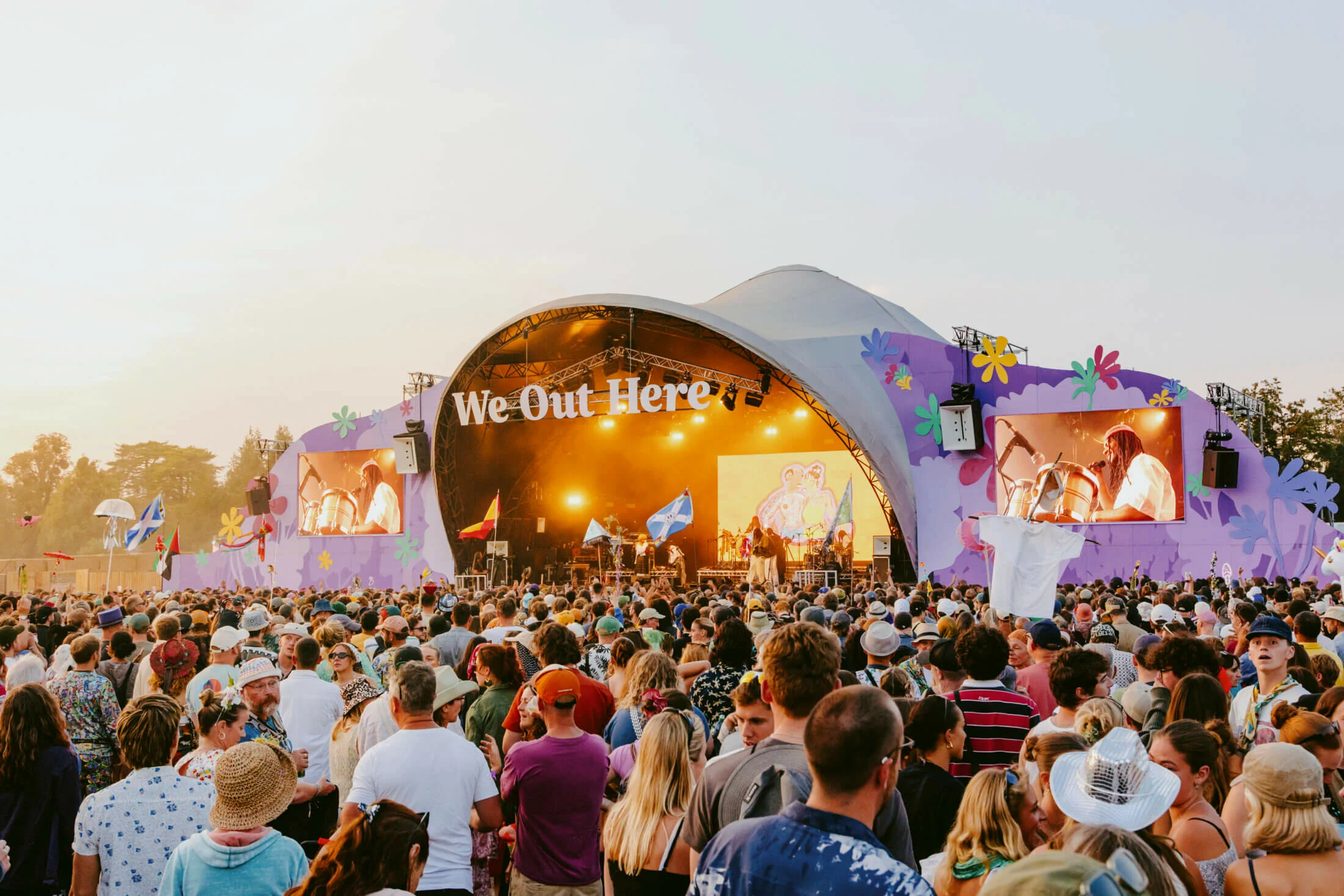
Festivals are more than cultural gatherings; they are significant engines for domestic and inbound tourism, filling hotel rooms and campsites, boosting rail and coach travel, and injecting spending into destinations that might otherwise see limited leisure traffic. The 2026 season has delivered encouraging signals, with Download, Boomtown, and We Out Here reporting robust demand, while the Isle of Wight Festival and End of the Road have also sold out.
Download, which can host around 80,000 attendees, and We Out Here both sold out in record time. Shambala and WOMAD have also seen faster-than-usual ticket sales. After the wave of cancellations that hit the independent sector post-pandemic, these numbers offer some relief—though they do not signal a full return to the pre-crisis market.
Festivals compete with holidays for the same wallet
The challenge now is not just convincing someone to buy a ticket; it is convincing them that a weekend in a field justifies the same discretionary spend as a city break or a beach holiday. Tickets for many large camping festivals now range from roughly £200 to £380. Reading and Leeds tickets can reach £361 this year, compared with about £230 in 2019. Once transport, food, drinks, accommodation or upgraded camping are factored in, the total cost can exceed £800.
For promoters, simply passing higher operating costs onto customers has its limits. The response has been to reshape both the product and the payment experience. Instalment plans are becoming standard in festival ticketing, while organisers are investing more in glamping, improved facilities, wellness programmes, food options, charging points, and activities beyond the main stages. About 45% of tickets for UK camping festivals sold through ticketing platform Kaboodle are now bought via payment plans; at London's Mighty Hoopla, that figure is around 70%.
Airlines, tour operators, and accommodation providers have long used instalments and flexible payment options to lower the upfront cost of booking. Festivals are following a similar path, and this also opens new commercial opportunities. A customer willing to spread the cost of a £300 ticket over several months may be receptive to packaged rail travel, coach transfers, hotel nights, or upgraded camping sold through the same booking journey. This trend echoes the flexible flight financing now offered by some carriers.
From music event to short break
Shambala has invested in programming beyond music, including speakers and poetry, alongside higher-end camping. Boomtown has expanded wellness experiences. Across the sector, organisers are trying to make the weekend itself the attraction, rather than relying solely on the headline act. That shift matters because festivals increasingly operate like temporary tourism destinations—visitors arrive, stay several nights, eat and drink locally, use transport, and often extend their trips. For rural and regional areas, the economic footprint can stretch far beyond the festival perimeter.
The scale of Britain's music tourism market underscores this. UK Music's Hometown Glory 2025 report estimated that a record 23.5 million music tourists attended concerts and festivals across the UK in 2024, up 23% from 19.2 million in 2023. Domestic travellers accounted for 21.9 million visits, but the more striking movement came from overseas: international music tourism increased 62% to 1.6 million visitors. UK Music put the economic contribution of music tourism at £10 billion, up from £8 billion a year earlier. Direct spending on tickets, accommodation, transport, food and drink, and merchandise reached £5.1 billion, supporting around 72,000 jobs.
That makes music a meaningful component of Britain's inbound tourism proposition, particularly as destinations look for reasons to encourage visitors beyond London and extend stays around major events. VisitEngland has already placed music prominently within its 2026 tourism calendar, pointing to new and established events including a music festival at Blenheim Palace and the first Roundhay Festival in Leeds.
Glastonbury's year off changes the equation
An unusual factor is working in favour of other festivals this summer: Glastonbury is absent. The country's best-known festival is taking its scheduled fallow year in 2026, leaving a substantial audience with both money and time that might otherwise have been committed to Worthy Farm. Some of that demand appears to be moving elsewhere. Festival organisers told Reuters that Glastonbury's absence had helped sales, while ticket resale platform Tixel expects its strongest year yet. The effect is particularly useful for established regional events able to offer festival-goers a credible alternative.
But Glastonbury alone cannot explain the stronger performance. Events selling well this year tend to have recognisable identities and loyal audiences. In a market where consumers are increasingly careful about discretionary spending, being another multi-stage weekend with a long list of performers is becoming a harder proposition to sell. This mirrors broader trends in travel, where cost growth is slowing as capacity constraints ease, but value remains paramount.
Independent festivals remain the weak point
Behind the sold-out signs lies a much less comfortable story. The Association of Independent Festivals says 36 events have been cancelled so far in 2026. That is below the 43 cancellations recorded in 2025 and 78 in 2024, but the cumulative toll is still heavy. Many independents operate on razor-thin margins, and a single bad weather weekend or a dip in advance sales can be fatal. The sector's resilience will depend on continued innovation in programming, pricing, and payment flexibility—and on the willingness of travel partners to see festivals as year-round tourism assets rather than one-off events.
For travel professionals, the message is clear: festivals are not just entertainment; they are a growing segment of the experience economy, and their success increasingly hinges on the same tools that drive airline and hotel bookings—flexible payment plans, packaged add-ons, and a focus on the overall trip. As the 2026 season unfolds, the festivals that thrive will be those that treat their attendees as travellers, not just fans.