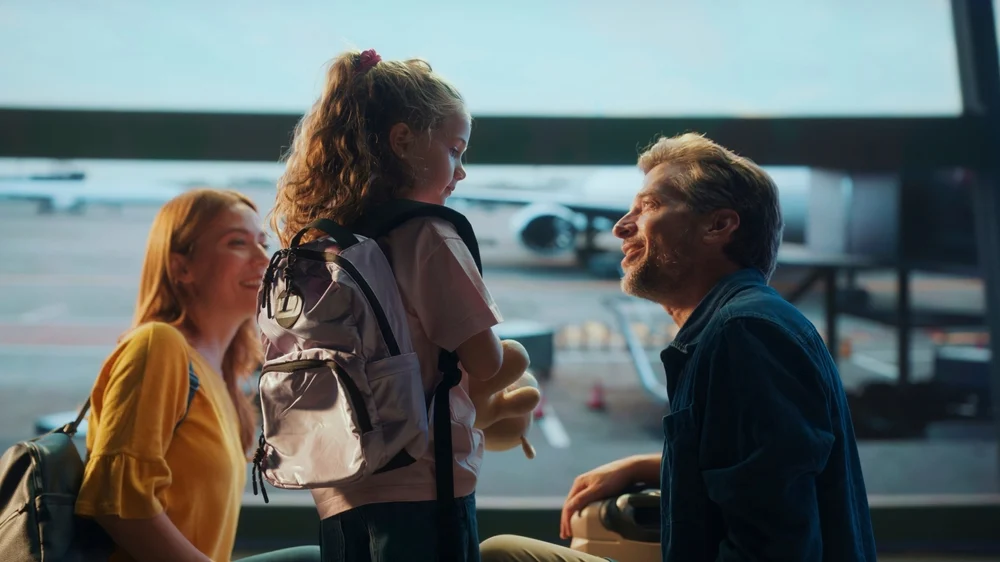
British consumers increased their overall spending in July, but the uplift bypassed the travel sector. According to the latest Barclays Consumer Spend report, total card spending rose 2% year on year, with non-essential expenditure up 1.6%. Consumer confidence also improved, with 30% of respondents feeling positive about the UK economy — the highest level in 21 months. Yet travel spending declined for the fifth consecutive month, even as hospitality and leisure expenditure grew 2.2%.
Staycations reshape discretionary spending
The divergence between travel and other discretionary categories offers a clear signal for travel businesses. Domestic accommodation providers were among July's strongest performers, with Barclays recording a 2.6% increase in accommodation spending, buoyed by favourable weather and a growing preference for staycations. This trend had already emerged in the first half of the year, as consumers balanced a desire to spend with persistent concerns about household finances and the broader economy.
For the UK tourism industry, the shift is commercially significant. A staycation does not necessarily mean a smaller travel budget; it redirects spending that might have gone to overseas airlines, resorts, or destinations into UK hotels, restaurants, attractions, rail journeys, and local experiences. This is a critical distinction for hoteliers and tour operators planning for the remainder of 2026.
The outbound picture is less encouraging. July marked the fifth month in a row of declining travel spending, extending a weak run that began earlier in the year. Geopolitical disruption and economic uncertainty have weighed on consumers' willingness to commit to international trips. Barclays reported in February that renewed Middle East conflict had contributed to deteriorating economic confidence, an early sign that international events were influencing household decisions well before the summer booking season.
For airlines and tour operators, the gap between holiday intention and actual expenditure is widening. Consumers may still plan to travel, but they are increasingly trading down: opting for shorter breaks, cheaper destinations, fewer paid extras, later bookings, or domestic alternatives. This behaviour aligns with the broader trend of last-minute bookings seen across the UK market.
Hospitality gets a summer lift — but context matters
Hospitality enjoyed a stronger July, driven by England's World Cup run and warm weather, which encouraged pub visits and outdoor dining. Barclays found hospitality and leisure spending up 2.2%, providing a welcome peak-season boost after a subdued first half. However, operators should not mistake a football-driven surge for a broad recovery.
The NIQ-RSM Hospitality Business Tracker, reported by The Caterer, showed managed pub groups increasing like-for-like sales by 1.9% in June — their strongest month of 2026 at that point. Restaurants fell 0.7%, and bars were down 5.8%. Across the sector, like-for-like sales increased only 0.2%. More tellingly, sector growth had remained below consumer-price inflation for 14 consecutive months. In May, leading hospitality groups managed only 0.4% like-for-like growth, with London outperforming the rest of the country, but sales outside the M25 declined 0.6%. Bars suffered particularly badly, with sales falling 6.1%.
July's stronger spending therefore arrived against a weak underlying base. There is reason for optimism: research published in July by RSM UK found that 53% of surveyed consumers planned to spend more on eating and drinking out due to warmer weather, while 31% expected to increase spending during the holiday period. But 35% said higher prices themselves were responsible for increased expenditure. That distinction is critical — higher consumer spending does not automatically mean higher footfall, stronger volumes, or healthier margins.
Margins remain tight despite higher spending
The industry's operating economics remain difficult even when demand improves. A June survey conducted by CGA by NIQ for hospitality industry bodies found that almost one-quarter of respondents were operating at a loss, up from 15% three months earlier. One in six venues was considered at risk of closure during the following 12 months.
Operators are squeezed between cautious customers and higher labour, property, energy, and supply-chain costs. That makes the quality of July's spending growth as important as its size. For hotel groups, pubs, and restaurants, the question is whether consumers are buying more or simply paying more for broadly the same amount of hospitality.
The answer differs sharply by segment. Pubs can capture major sporting occasions quickly and at scale. Hotels benefit when warm weather and concerns about overseas travel redirect demand towards domestic breaks. But for airlines and outbound tour operators, the persistent decline in travel spending signals a need to adapt pricing and product strategies to a more value-conscious British traveller.
As the UK market navigates these pressures, travel businesses should monitor consumer confidence and spending patterns closely. The staycation trend is not a temporary blip but a structural shift in how British households allocate their leisure budgets. For those in the domestic tourism sector, this represents an opportunity to capture spending that might otherwise go abroad. For outbound players, the challenge is to offer compelling value that can compete with the convenience and cost-effectiveness of a domestic break.