With Switzerland's victory closing out the FIFA World Cup 2026 in Vancouver, the city is now focused on converting the tournament's momentum into lasting tourism and economic benefits. Destination Vancouver President and CEO Royce Chwin drew parallels to the 2010 Winter Olympics, noting that global events have historically elevated the city's international profile and driven future visitation.
MICE Sector Sees Immediate Boost
The Vancouver Convention Centre is already capitalizing on the post-tournament buzz, hosting its first citywide conference on July 10 with over 1,000 delegates. This marks the beginning of a robust business events pipeline, with Destination Vancouver and the convention centre achieving 61% of their annual citywide bid win goal. The outlook for 2027 is particularly strong, with expectations to surpass previous records for citywide conferences. The meetings, incentives, conferences, and exhibitions (MICE) sector remains a cornerstone of Vancouver's visitor economy, supporting local businesses year-round.
Chwin emphasized the importance of maintaining momentum, stating, "The real question is what happens because of it." The city's hotel occupancy rates, which dipped slightly during the tournament, are projected to exceed 90% in July and August, signaling robust future demand.
Cruise and Air Connectivity Strengthen
Vancouver's tourism sector is also benefiting from a record cruise season, with 358 ship calls and over 1.4 million passengers forecasted. This complements expanded air service, including Philippine Airlines' new nonstop flights to Vancouver from Manila, enhancing connectivity for inbound travelers. The city's role as a host city for the World Cup introduced it to millions of potential visitors, a factor that airlines and cruise lines are likely to leverage in their marketing strategies.
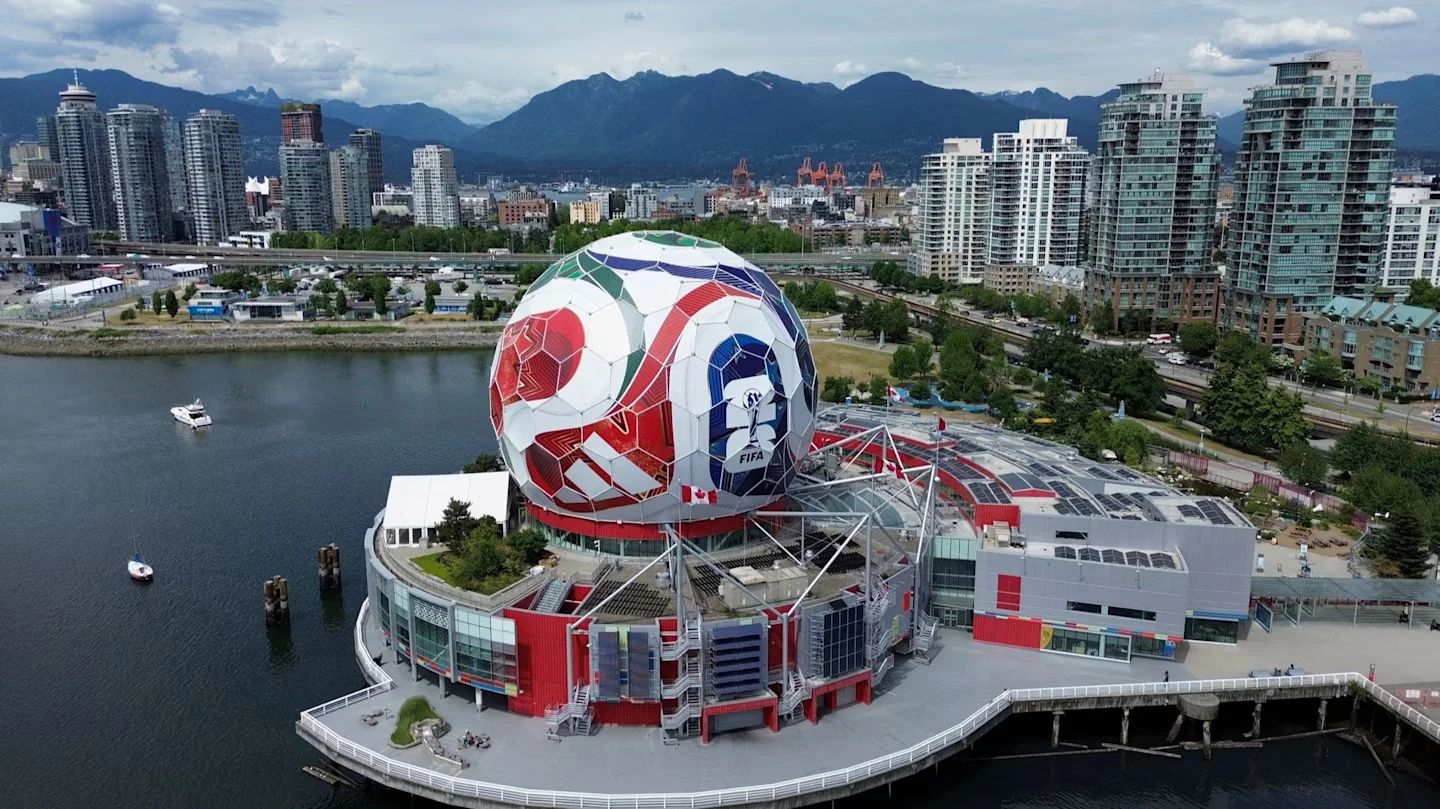
The transformation of Science World's dome into the FIFA World Cup 2026 Official Match Ball exemplified the city's collaborative spirit, further enhancing its global reputation. This kind of placemaking is expected to attract future events and leisure travelers alike.
For travel professionals, Vancouver's post-World Cup strategy offers a case study in leveraging mega-events for sustained growth. The city's integrated approach—combining MICE development, cruise expansion, and airlift improvements—provides a blueprint for destinations seeking to maximize the long-term value of hosting major tournaments. As Chwin noted, the real payoff comes from what happens after the final whistle.