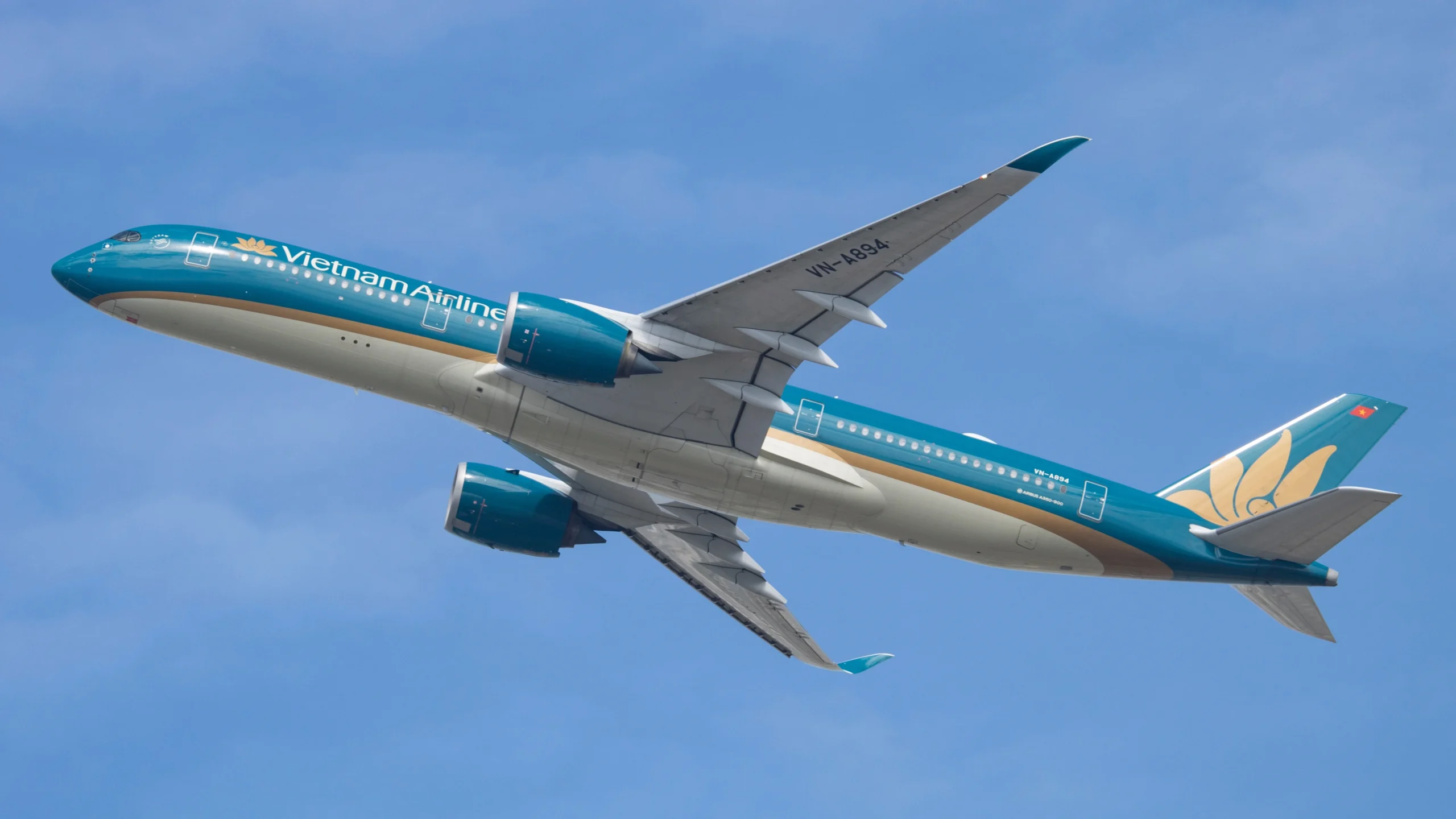
Vietnam Airlines is strengthening its presence in one of Asia's fastest-growing aviation markets with a new direct link between Hanoi and Ahmedabad, scheduled to begin on 3 November 2026. The flag carrier will operate four weekly round-trips on the route using Airbus A321 aircraft, positioning Ahmedabad as its fifth Indian destination after Delhi, Mumbai, Bengaluru, and Hyderabad.
The new service expands Vietnam Airlines' India network to seven routes, connecting both Hanoi and Ho Chi Minh City with key commercial hubs across northern, western, and southern India. With the addition, the airline's weekly round-trip frequency in the Indian market will rise to 25, offering corporate and leisure travellers more flexible connections between Vietnam and India's major cities.
Strategic expansion beyond India
The Ahmedabad launch is part of a broader international growth push for 2026. Vietnam Airlines is also adding Amsterdam, Colombo, and Phuket to its route map, while increasing frequencies on several high-demand corridors, including Munich, Moscow, Taipei, Osaka, Tokyo, and Seoul. These moves reflect the carrier's strategy to capture rising demand for both business travel and tourism across Europe and Asia.
Industry observers note that Ahmedabad, as Gujarat's commercial capital and a growing hub for pharmaceuticals, textiles, and IT services, offers strong potential for both Vietnamese and Indian business travellers. The route also taps into the substantial Vietnamese community and trade links with western India.
Vietnam Airlines' expansion aligns with broader trends in the Vietnam–India aviation corridor. Earlier this year, low-cost carrier Vietjet announced new A330 services linking Hanoi with Almaty and Prague, underscoring the region's appetite for long-haul connectivity. While Vietjet focuses on price-sensitive leisure markets, Vietnam Airlines is positioning itself as the premium full-service option for corporate and connecting traffic.
The airline's decision to deploy the A321 on the Hanoi–Ahmedabad sector suggests a measured approach, balancing capacity with expected demand. The aircraft's range and cabin configuration are well suited to the 4,000-kilometre sector, offering both business and economy seating.
For travel agents and tour operators, the new route opens opportunities for combined itineraries linking Vietnam's cultural and coastal attractions with India's business and heritage circuits. Vietnam's visa policies and growing popularity as a destination for Indian tourists have already driven strong load factors on existing routes.
Vietnam Airlines' expanded schedule also supports the country's tourism board targets, which aim to attract more visitors from South Asia. The airline's partnership with SkyTeam and codeshare agreements with Indian carriers could further enhance connectivity beyond its own network.
As the airline continues to modernise its fleet and expand its international footprint, the Hanoi–Ahmedabad service represents a calculated bet on the resilience of India–Southeast Asia travel demand. With 25 weekly frequencies to India, Vietnam Airlines is clearly committed to being a leading carrier in this corridor.