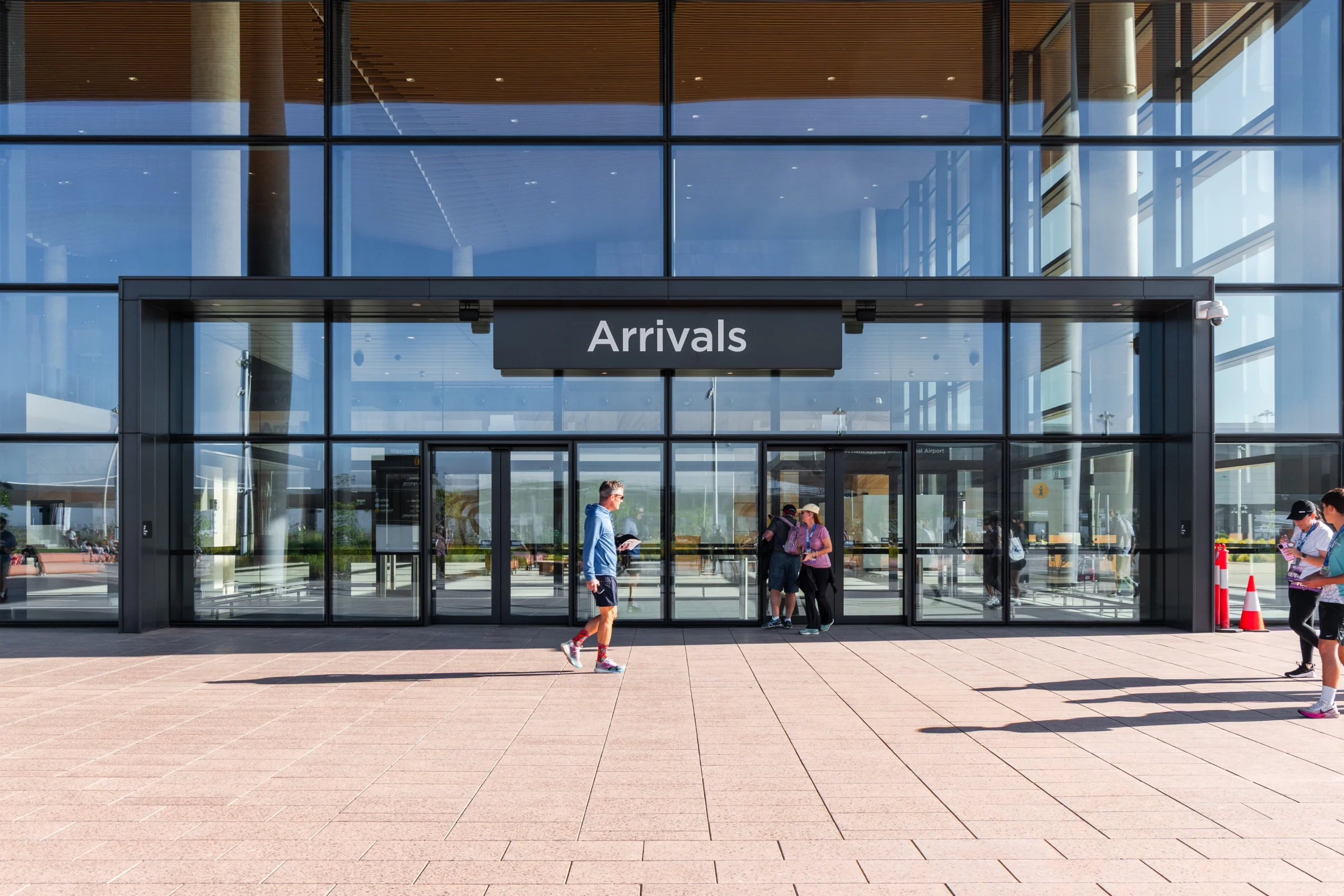
Western Sydney International Airport is poised to significantly reshape Australia's travel landscape, according to industry leaders who see the new gateway as a catalyst for expanded route networks and sharper competition. The airport's round-the-clock operations, a clear advantage over the curfew-bound Kingsford Smith Airport, are expected to open up new scheduling possibilities for airlines and greater choice for travel professionals.
Christian Hunter, chair of the Australian Travel Industry Association (ATIA), told Travelmao that the airport's impact will be felt across the sector over the next three to five years. "Agents will have more to sell, tour operators will have more options when they build product, and corporate travel managers will have more flexibility when they plan for their clients," he said. Hunter urged businesses to prepare early to capitalise on the opportunities.
New carriers and leisure routes on the horizon
The airport's launch is expected to attract low-cost carriers and stimulate leisure routes that were previously underserved. While specific airline commitments have not been fully disclosed, the potential for new entrants is significant. Qatar Airways has already announced plans to operate Doha–Western Sydney flights starting in December 2027, a move that underscores the airport's international appeal. Air New Zealand marked the airport's opening with an arrival from Auckland, signalling strong trans-Tasman interest.
The 24/7 operating model is a key differentiator. Kingsford Smith Airport's nightly curfew has long constrained flight scheduling, particularly for freight and red-eye services. Western Sydney's around-the-clock availability allows airlines to optimise fleet utilisation and offer more convenient departure and arrival times, a benefit that extends to both leisure and corporate travellers.
For travel agents and tour operators, the new airport means a broader product portfolio. "The introduction of Western Sydney International is a game-changer for the industry," Hunter added. "It provides the flexibility that our members need to meet evolving client demands."
ATIA's role and industry impact
ATIA represents Australia's A$70.6 billion travel industry, with members accounting for the majority of international air sales and over 90% of corporate travel bookings. The association supports 21.96 million Australian travellers annually, and its membership is predominantly small businesses, with 92% of members being small enterprises and a significant number led by women.
The new airport is expected to boost competition, potentially lowering fares on key routes and improving service standards. This could have a ripple effect across the broader Asia-Pacific region, as Western Sydney positions itself as an alternative gateway to the country's largest city.
Industry observers note that the airport's development comes at a time when Australian aviation is recovering strongly from the pandemic. The addition of new capacity and routes is likely to accelerate that recovery, benefiting airlines, airports, and the travel trade alike.
For corporate travel managers, the flexibility of 24/7 operations is particularly valuable. "We're seeing increased demand for early morning and late evening flights," said one Sydney-based corporate travel consultant. "Western Sydney's schedule flexibility will make it easier to align travel with business needs."
As the airport ramps up operations, the industry will be watching for further airline announcements. The potential for new low-cost carriers to establish bases at Western Sydney could reshape the competitive dynamics of the Australian market, offering travellers more options and driving innovation in route planning.
Hunter's advice to the trade is clear: prepare now. "Those who adapt early will be best positioned to benefit from the growth this airport will bring," he said. With the airport now operational, the countdown to a more competitive and flexible Australian travel market has begun.