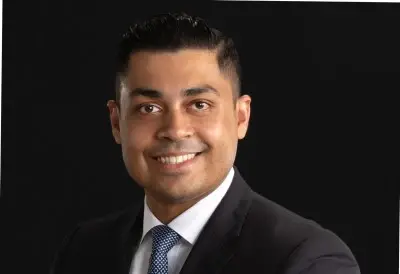
Accor is charting a new course in China that goes beyond simply adding rooms. In a recent interview with TravelDaily China, Greater China CEO Kent Zhu laid out a strategy to open 800 hotels while fundamentally rebuilding the group's operational and brand foundations. This approach marks a shift from the rapid expansion playbook used by many international hotel groups in the world's second-largest economy.
Rebuilding Foundations Before Scaling
Zhu acknowledged that Accor did not build as comprehensive a footprint in China's high-end and luxury segments during the past decade as some competitors. Even after acquiring iconic brands like Fairmont and Raffles, those assets remain in an integration phase. His priority since taking the helm has been a "Rebuild Foundation" strategy: re-examining core capabilities, brand architecture, and organizational alignment before pursuing aggressive growth.
"Guests don't think it's a platform issue; they think it means your management is poor," Zhu said, referring to pricing discrepancies between hotel direct channels and third-party OTA platforms. He noted that offline teams sometimes offer lower rates to secure bookings, creating confusion for consumers. For international hotel groups, direct channels are critical for connecting membership systems and customer data. When bookings flow to OTAs, the brand-consumer link weakens.
Zhu also highlighted how AI is reshaping hotel discovery. Large language model–driven search, he argued, resembles the Google organic search era but with a key difference: users now describe their needs directly rather than entering keywords. This shift from keyword matching to intent expression demands that hotels rebuild tagging systems, service information, and content structures into structured, searchable data assets. Those that organize service details most clearly will have a better chance of entering users' consideration sets.
Layered Brand Strategy for Diverse Markets
Under this logic, Accor's brand strategy has become layered. In first-tier cities and key tourism destinations, the group prioritizes luxury and upper-upscale brands—Fairmont, Raffles, Sofitel, and Swissôtel—to rebuild recognition among owners and consumers through stable project execution and clear market communication. In broader markets, it continues expanding midscale and economy segments through partnerships with local players like H World Group. This dual approach allows Accor to address both high-value and volume-driven opportunities without diluting brand equity.
Zhu was candid about Accor's positioning. While the group owns high-quality assets, their full value has not yet been unlocked. A relatively low-profile market communication over the years has left some owners and consumers with a vague perception of the brand. The 800-hotel pipeline is therefore not just a numerical target but a vehicle for value reactivation.
For travel professionals—whether airline executives eyeing hotel partnerships, hoteliers assessing competitive dynamics, or tour operators seeking reliable accommodation options—Accor's China strategy offers a case study in balancing scale with brand integrity. The group's approach to distribution channel management and AI readiness also provides lessons for the broader industry. As Zhu noted, 2026 is a transitional period of continuous refinement rather than a sudden turning point.
This strategic recalibration comes as other hospitality players also refine their luxury positioning. For instance, Elegant Hotels of the World Rebrands to Strengthen Global Luxury Soft Brand, highlighting the industry's focus on brand clarity. Meanwhile, Capella Hotel Group Names Feisal Jaffer Chief Development Officer to Drive Global Expansion, signaling continued investment in luxury development.
Accor's China playbook ultimately rewrites the rules for global hotel groups: sustainable growth requires rebuilding the foundations first, even if that means slowing the pace of room additions in the short term.