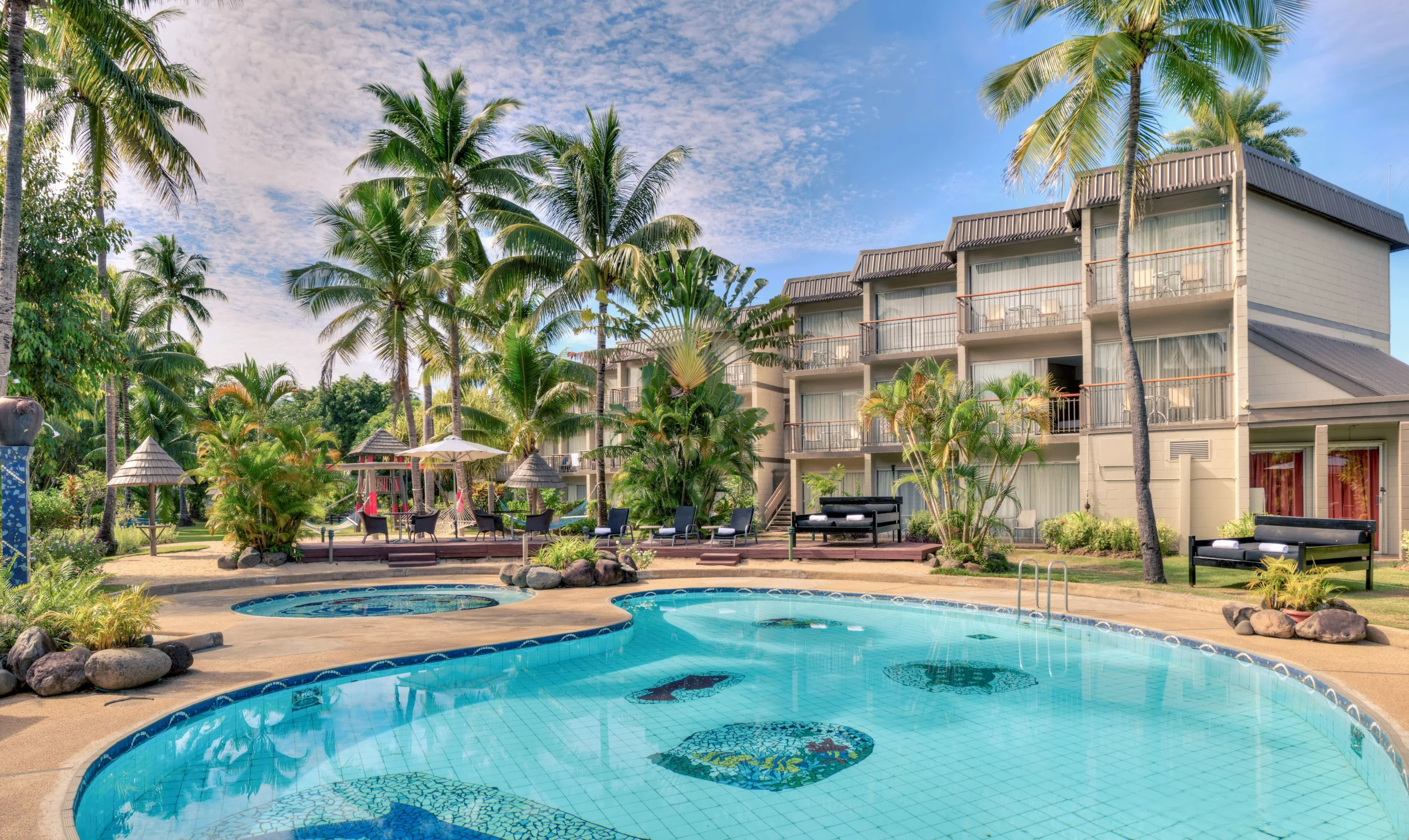
Ecotourism Australia has extended its certification program to Fiji, with three Accor properties — Novotel Suva Lami Bay, Mercure Nadi, and Novotel Nadi — becoming the first operators in the country to earn the designation. The move underscores both Accor's sustainability commitments and Ecotourism Australia's growing footprint across the Pacific.
The certifications recognize the hotels' adherence to rigorous environmental and social criteria, providing a structured framework to improve operational performance while protecting Fiji's natural assets. For travel buyers and corporate clients, the accreditation offers a credible marker of sustainability, increasingly a deciding factor in hotel selection.
Leadership perspectives
Elissa Keenan, CEO of Ecotourism Australia, welcomed the milestone: "We are delighted to certify not one, but three Accor properties as we continue to grow our footprint across the Pacific and support tourism businesses that are committed to credible, measurable sustainability."
Adrian Williams, Chief Operating Officer of Accor Pacific, emphasized the importance of safeguarding Fiji's unique environment. "We're proud that Novotel Suva Lami Bay, Mercure Nadi and Novotel Nadi have all achieved Ecotourism Australia certification," he said, adding that the group remains focused on embedding sustainable practices across its Pacific portfolio.
On-the-ground initiatives
Each certified property is pursuing distinct sustainability measures. Mercure Nadi concentrates on cultural education and community support, while Novotel Nadi engages in environmental activities such as beach clean-ups and sustainable seafood training. Novotel Suva Lami Bay offers cultural experiences and collaborates with local educational institutions, linking tourism with broader community development.
These initiatives align with a broader industry trend toward verifiable sustainability standards. The certification follows Ecotourism Australia's first international accreditation in New Zealand in February 2025, signaling the organization's ambition to become a leading certifier across the region.
For travel advisors and tour operators, the certification provides a clear selling point for clients seeking responsible travel options in Fiji. It also reflects the growing demand for transparent sustainability claims, a factor that is reshaping procurement decisions across the hospitality sector.
Accor's move comes as other hotel groups pursue similar certifications. For instance, Moxy Bangkok Ratchaprasong recently earned a 4-Leaf Green Leaf certification, and HBX Group and Bioscore are streamlining hotel sustainability certification through a new partnership. These developments highlight the increasing importance of third-party validation in the hospitality industry.
As Ecotourism Australia expands its reach, its certification programs aim to provide tourism businesses with a credible way to demonstrate sustainability, reflecting the rising demand for such standards across the Pacific. The organization's growth in the region is expected to encourage more operators to pursue certification, potentially raising the bar for environmental performance in Fiji and beyond.