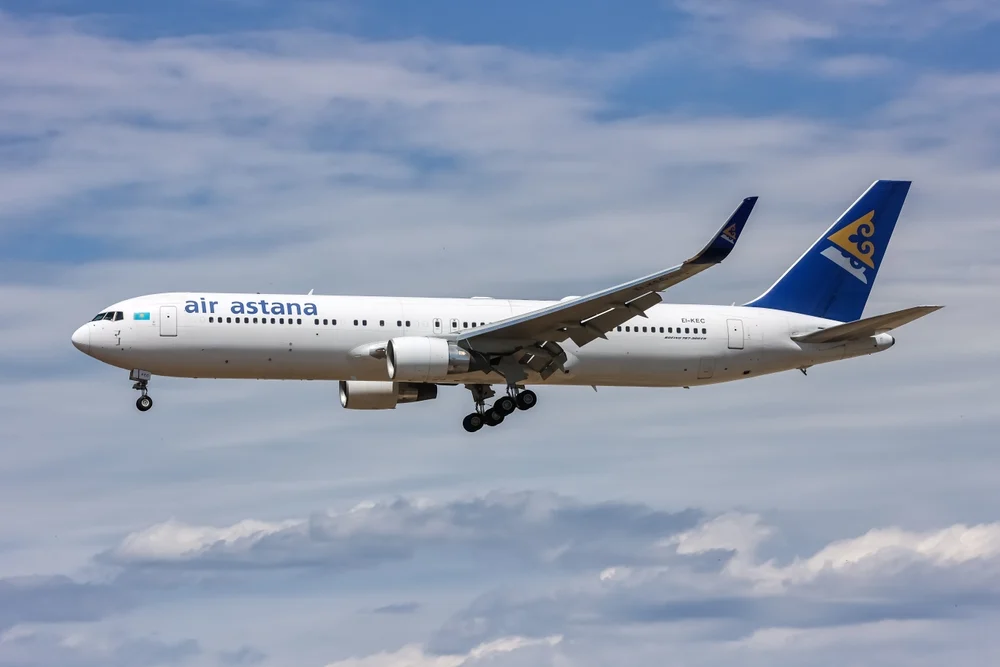
Air Astana has once again pushed back the resumption of its services to Dubai, extending the suspension of flights from Almaty and Astana until 30 September 2026. The carrier first grounded the route earlier this year, and the latest decision reflects persistent instability across the Gulf region, which continues to complicate flight planning and crew scheduling for Central Asian and Middle Eastern operators alike.
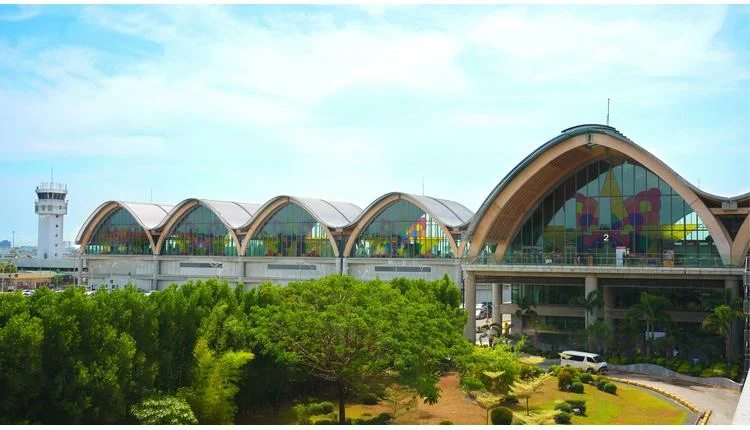
The airline, which operates a dual-hub model out of Almaty International Airport and Nursultan Nazarbayev International Airport in Astana, had initially hoped to restore the Dubai link sooner. However, with regional tensions showing no clear sign of abating, Air Astana has opted for a longer horizon. In addition to the outright suspension, the carrier has trimmed the frequency of its Almaty–Dubai and Astana–Dubai services in its October schedule, a move that suggests a cautious approach to rebuilding capacity even after the formal suspension lifts.
Passenger options and flexibility
For travellers holding tickets on the affected routes, Air Astana has laid out a clear set of remedies. Passengers may rebook in the same booking class for travel up to 20 November 2026 at no additional cost, a window that gives them nearly two months of flexibility beyond the new resumption date. Alternatively, they can request a full refund from their original point of purchase, or choose to reroute to other international destinations within Air Astana's network, though the latter option may incur fare differences depending on the new itinerary and cabin.
This is not the first time the Kazakh flag carrier has had to adjust its Gulf operations. The airline's second-quarter revenue growth of 18.3% was driven largely by an aggressive international expansion, and the Dubai route had been a key part of that strategy. The suspension is a reminder that geopolitical risk remains a live factor in network planning, even for carriers with strong balance sheets.
Industry observers note that the extended suspension could have knock-on effects for both business and leisure travel between Kazakhstan and the UAE. Dubai has long been a popular destination for Kazakh tourists and a hub for connecting traffic to Southeast Asia and beyond. With Air Astana out of the picture, passengers may turn to other carriers, including Emirates, which continues to operate its own services between Dubai and Almaty, albeit with its own schedule adjustments.
The decision also comes at a time when Dubai hotel bookings are rebounding as Gulf carriers rebuild long-haul networks, but the recovery is uneven across source markets. Central Asian demand, in particular, remains sensitive to flight availability, and the prolonged suspension could temper the pace of that rebound in the short term.
Air Astana's move is part of a broader pattern of airlines adjusting Middle East services in response to security assessments. While some carriers have resumed flights to Tel Aviv and other points, others have maintained cautious stances. The airline's emphasis on passenger safety is a standard rationale, but the extended timeline suggests that the risk assessment is more than a short-term precaution.
For travel agents and tour operators, the practical implications are significant. Clients with bookings on Air Astana's Dubai flights will need to be re-accommodated or refunded, and those planning travel for late 2026 should be advised of the reduced frequencies in October. The airline's rebooking window, which extends to 20 November 2026, offers some breathing room, but agents should confirm fare rules and availability directly with the carrier.
Air Astana has not indicated whether it will adjust its fleet deployment or redeploy aircraft to other routes during the suspension period. The carrier's international push, which has included new services to destinations in Europe and Asia, may absorb some of the capacity. However, the loss of a high-yield route like Dubai is unlikely to be fully offset by other markets.
As the situation evolves, travel professionals should monitor updates from Air Astana and consider alternative routing options for clients. The airline's commitment to flexibility is a positive sign, but the prolonged uncertainty underscores the need for contingency planning in a region where geopolitical dynamics can shift quickly.