Amankora, the luxury lodge collection operated by Aman, has reopened its Paro and Punakha properties in Bhutan following a comprehensive refurbishment program. The updates are designed to deepen the guest experience across the kingdom's western valleys, with a renewed focus on wellness, heritage, and immersion in the natural landscape.
Paro: new spa house and banya ritual
At Amankora Paro, set in the serene Paro Valley, the centerpiece of the renovation is the new Spa House, conceived by Kerry Hill Architects. The facility includes a private hammam, dedicated treatment rooms, and a heated swimming pool, allowing guests to unwind after days spent exploring the valley's monasteries and trails. Signature treatments include a 60-minute Hammam Treatment and a Half-Day Journey that combines massage with relaxation time.
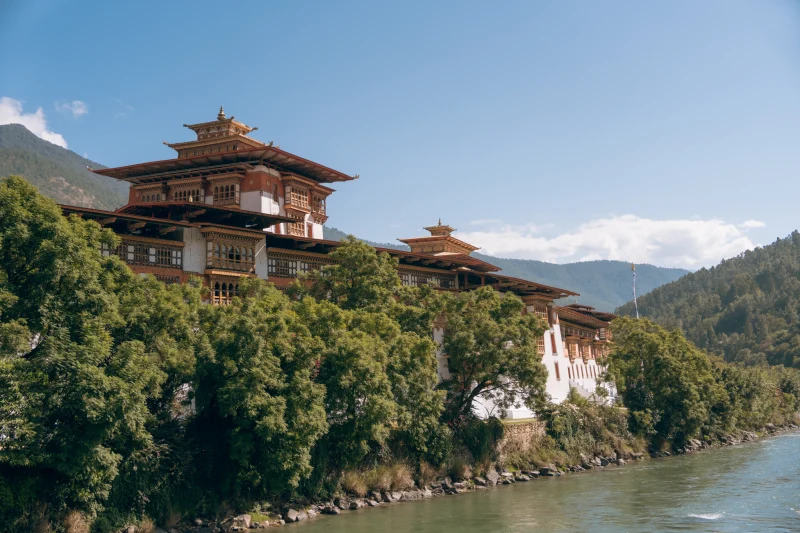
In a nod to Nordic bathing culture, the lodge has also introduced the Wild Nature Banya Experience, a sauna ritual housed in a structure built from Canadian Hemlock wood. The sauna offers panoramic views of the historic Drukyel Dzong fortress, blending thermal therapy with the dramatic Bhutanese landscape.
Punakha: heritage farmhouse refreshed
Amankora Punakha occupies a restored 300-year-old farmhouse in the Punakha Valley, a region known for its rice paddies and the Punakha Dzong. The refurbishment has added a dining room, a retail space, and a traditional altar room, while the 12 suites have been updated with modern amenities. The spa now features new treatment rooms and hydrotherapy facilities, complementing the lodge's existing focus on holistic wellness.
“We are delighted to welcome guests back to these two lodges,” said a spokesperson for Aman. “The renovations honor the architectural heritage of Bhutan while introducing contemporary comforts and wellness experiences that connect travelers with the surrounding nature.”
Part of a broader Bhutan strategy
The reopenings come as Aman continues to invest in its Asian portfolio. Earlier this year, the group reopened Amanpuri in Thailand with new pavilions and wellness offerings, and Amansara near Angkor also returned with upgraded suites and a spa. These moves reflect Aman's strategy of enhancing existing properties rather than simply expanding its footprint.
For travel advisors and tour operators, the refreshed Amankora lodges offer a renewed reason to sell Bhutan as a luxury destination. The kingdom has been repositioning its tourism model toward high-value, low-impact travel, a shift that aligns with Aman's philosophy of transformative journeys. Bhutan's regenerative tourism pivot is part of a broader national effort to balance economic benefits with environmental stewardship.
Amankora operates five lodges across Bhutan—in Paro, Thimphu, Punakha, Gangtey, and Bumthang—each offering a distinct perspective on the country's landscapes and culture. The Paro and Punakha reopenings complete a cycle of upgrades that began with the other lodges in previous years.
Reservations for both lodges are now open, and the company expects strong demand from North American and European travelers seeking immersive, wellness-oriented itineraries. With the winter season approaching, the lodges are positioned to cater to guests looking for a serene escape in the Himalayas.
The investment in Bhutan underscores Aman's confidence in the destination's long-term appeal, even as the global travel industry navigates shifting consumer preferences. For agents, the enhanced facilities provide new talking points when pitching Bhutan to discerning clients.