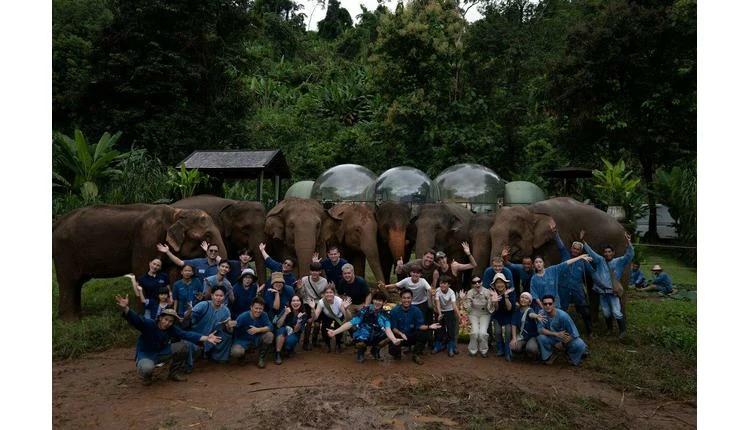
Anantara Golden Triangle Elephant Camp & Resort, in partnership with the Golden Triangle Asian Elephant Foundation (GTAEF), marked World Elephant Day on 12 August 2026 with a programme designed to deepen understanding of elephant conservation among guests, team members, and their families. The event blended cultural heritage, welfare education, and scientific research, reinforcing the resort's long-standing commitment to sustainable tourism.
Conservation through culture and science
The day's activities were structured to illustrate how cultural traditions and scientific methods can work together to protect elephants. Guests and staff participated in cultural heritage displays that highlighted the historical significance of elephants in the region, while elephant enrichment sessions demonstrated how the resort's resident elephants are kept mentally and physically stimulated. Research demonstrations offered a behind-the-scenes look at the data collection and monitoring that inform GTAEF's conservation strategies.
"World Elephant Day is an opportunity to remind ourselves that conservation is not a passive act," said a resort spokesperson. "By involving our guests and our team in these hands-on experiences, we hope to build a deeper connection with these magnificent animals and inspire ongoing support for their protection."
The collaboration between Anantara and GTAEF is part of a broader effort to integrate cultural and scientific approaches to conservation. The foundation, which operates the resort's elephant camp, has long focused on the welfare of working elephants in Thailand, providing them with a safe retirement and supporting their mahouts. This year's World Elephant Day events underscored that mission, with an emphasis on education and engagement.
Hospitality's role in wildlife preservation
For travel industry professionals, the initiative highlights a growing trend: luxury hospitality brands are increasingly positioning themselves as stewards of environmental and cultural preservation. Anantara's approach at its Golden Triangle property goes beyond a one-day event, embedding conservation into the guest experience year-round. The resort offers elephant experiences that are designed to be educational and ethical, setting a benchmark for other properties in the region.
The event also served as a reminder of the threats elephants face globally, including habitat loss and poaching. By raising awareness among a diverse audience of international travellers, Anantara is contributing to broader conservation goals that align with the United Nations' Sustainable Development Goals, particularly those related to life on land and responsible consumption.
As the travel industry continues to recover and evolve, experiences that combine luxury with purpose are becoming a key differentiator. Properties like Anantara Golden Triangle are demonstrating that conservation can be a core part of the hospitality offering, appealing to a growing segment of travellers who seek meaningful, responsible travel experiences.
For those looking to explore similar initiatives, the resort's model offers a template: partner with a credible local foundation, engage guests in hands-on activities, and communicate the impact clearly. The success of this year's World Elephant Day event suggests that such efforts resonate with both guests and the wider industry.
As the event concluded, participants left with a renewed appreciation for elephants and the challenges they face. The resort's efforts highlight the role of hospitality in promoting environmental stewardship and cultural preservation, a message that is likely to resonate with travel professionals attending industry events such as the upcoming Macao tourism initiatives or those following global travel earnings trends.