The Association of Asia Pacific Airlines (AAPA) released its May 2026 traffic figures, revealing a nuanced picture for the region's carriers. International passenger numbers dipped slightly, while air cargo volumes continued their upward trajectory, reflecting divergent demand patterns across the sector.
Passenger Traffic: Long-Haul Strength Offsets Volume Decline
Asia Pacific airlines carried 31.7 million international passengers in May, a 1.1% decrease compared to the same month in 2025. However, demand measured in revenue passenger kilometres (RPK) rose 1.8%, driven by stronger traffic on longer-haul routes. This shift suggests that while overall passenger counts edged lower, travellers are flying greater distances, boosting overall capacity utilisation.
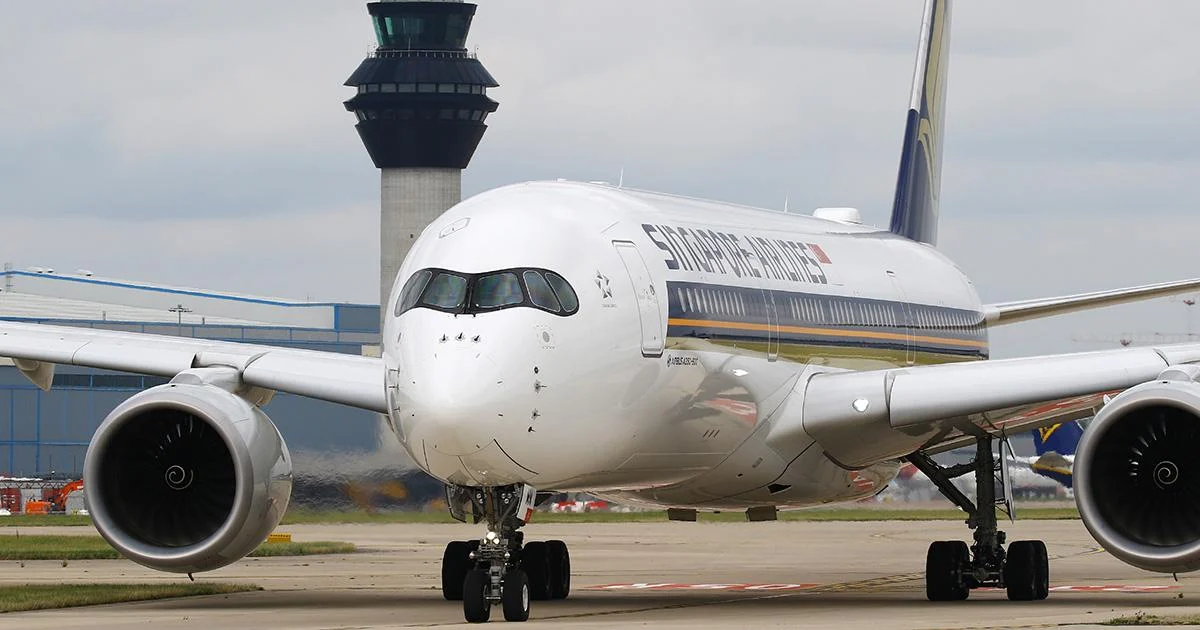
The average passenger load factor climbed 1.2 percentage points to 82.0%, indicating that airlines are managing seat capacity effectively despite some adjustments to international schedules. Carriers such as Singapore Airlines, Cathay Pacific, and ANA have been recalibrating networks to prioritise high-yield long-haul markets, including routes like Singapore–London, Hong Kong–San Francisco, and Tokyo–New York.
For the first five months of 2026, the region's airlines transported 166.8 million international passengers, a 3.9% increase from the same period in 2025. This cumulative growth underscores the underlying recovery momentum, even as monthly figures show short-term volatility.
Cargo Markets Surge on Tech Demand and Stockpiling
International air cargo markets posted stronger results in May. Freight tonne kilometres (FTK) grew 2.5% year-on-year, while freight capacity expanded 3.3%, leading to a slight dip in the freight load factor to 61.6%. The cargo uptick was fuelled by increased shipments of technology products and precautionary stockpiling activity, particularly on routes connecting Asia with North America and Europe.
Major cargo operators like Korean Air Cargo, China Southern Cargo, and Singapore Airlines Cargo have reported robust demand for electronics and semiconductor components. The trend aligns with broader supply chain strategies as companies build inventory buffers amid ongoing geopolitical uncertainties.
Year-to-date, cargo demand rose 4.7%, reflecting the need for timely goods movement amidst disruptions. The AAPA data reinforces the view that air freight remains a critical enabler for global trade, especially for high-value, time-sensitive shipments.
Industry Outlook: Caution Amid Geopolitical and Economic Headwinds
AAPA Director General Wong Hong commented on the results: “International passenger markets remained broadly stable in May, with firm demand on longer-haul routes. Meanwhile, air cargo demand continued to grow, supported by technology-related shipments and precautionary stockpiling activity.”
Looking ahead, Wong highlighted potential relief from easing Middle East tensions but warned of ongoing challenges. “Geopolitical uncertainties, trade policy shifts, and rising inflation continue to pose risks. Asia Pacific carriers have demonstrated agility in adapting to demand changes and maintaining cost discipline to capture growth opportunities,” he said.
The mixed May results come as the industry navigates a complex environment. Airlines are closely monitoring developments such as the Asiana Airlines exit from Star Alliance, which will reshape Seoul hub dynamics, and the Malaysia Airlines–Singapore Airlines joint business partnership, which could influence competitive dynamics on key Southeast Asian routes.
On the technology front, carriers are investing in passenger experience enhancements, such as United Airlines' live TV streaming on Starlink-equipped aircraft, a trend that may soon extend to Asia Pacific fleets. Meanwhile, the Hyatt Brand Explorer Award highlights how hospitality groups are rewarding multi-brand loyalty across the region, complementing airline frequent flyer programmes.
As the second half of 2026 unfolds, Asia Pacific airlines will need to balance capacity discipline with demand stimulation, particularly on leisure routes to destinations like Bali, Phuket, and Tokyo. The cargo segment is expected to remain a bright spot, driven by e-commerce and technology supply chains.
The AAPA's May data serves as a reminder that the recovery is not linear. Carriers that can adapt quickly to shifting demand patterns and external shocks will be best positioned to capture growth in this dynamic market.