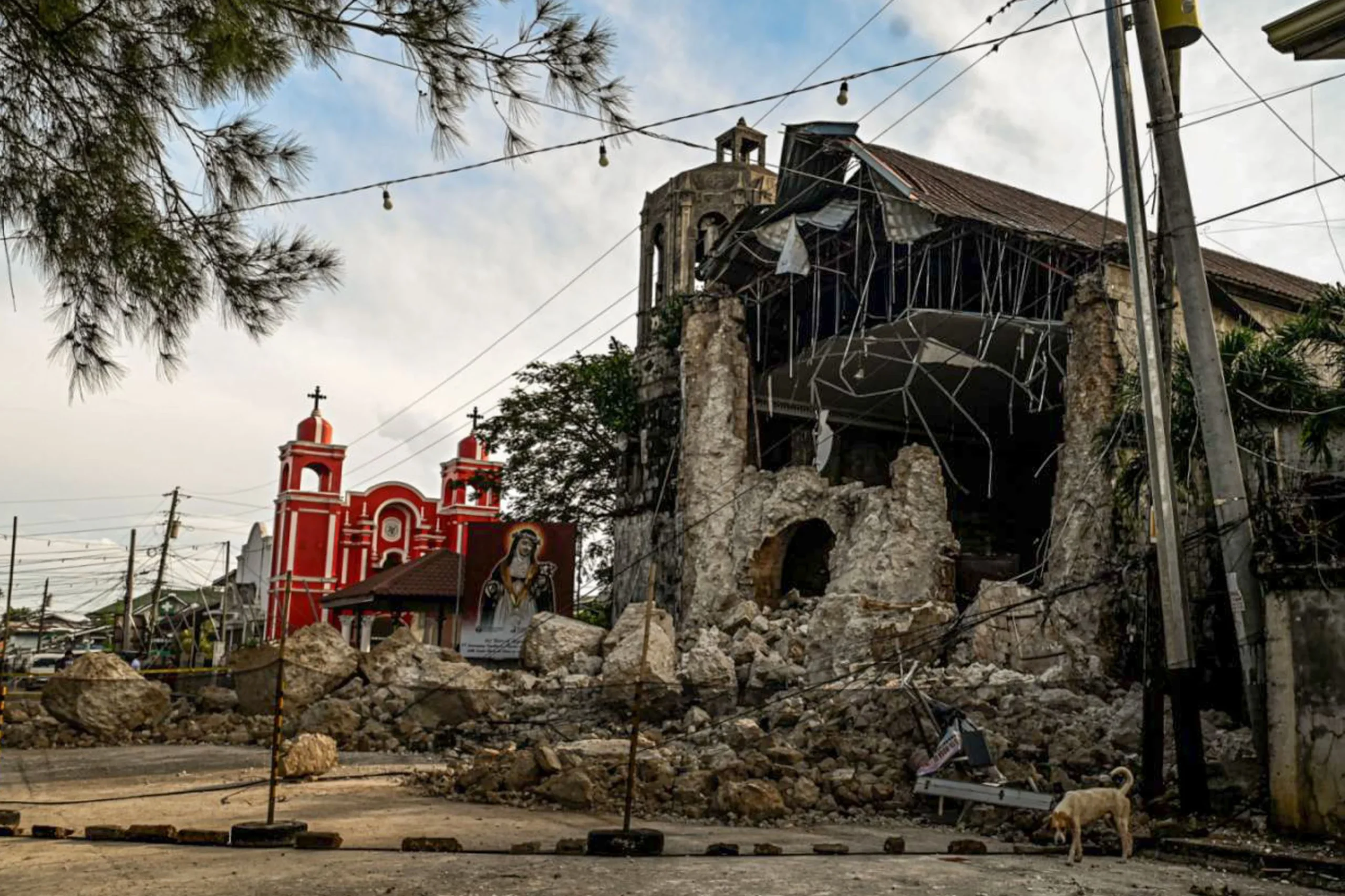
Tourism boards across the Pacific Ring of Fire are accelerating efforts to rewrite safety guidelines after a series of earthquakes rattled Japan and the Philippines in late June. The urgency reflects a broader recognition that climate change is intensifying natural disasters, threatening key destinations and traveler confidence.
Japan experienced three earthquakes in four days—on June 25, 26, and 28—while the southern Philippines faced another tremor just weeks after a powerful quake hit Saranggani Province. These events, combined with ongoing recovery in Venezuela from twin quakes, underscore the volatility of the region.
Varying Levels of Preparedness
According to a 2024 study by the Asian Development Bank (ADB), climate change poses interconnected threats to tourism, health, and economic stability across Asia and the Pacific. Rising sea levels endanger coastal resorts and maritime attractions, while higher temperatures increase health risks for both visitors and host communities.
Despite these challenges, preparedness levels vary widely. Japan and the Philippines have demonstrated strong post-disaster recovery, quickly welcoming back international travelers after major events. However, many Asia Pacific nations lack proactive resilience programs that minimize damage to key tourist sites.
Thailand, whose economy heavily depends on tourism, has begun integrating preventive and reparative measures, but structural vulnerabilities and bureaucratic hurdles still force most countries to rely on reactive responses.
Five Key Measures for Resilience
The ADB’s Sovereign Project 54420-001, originally designed for pandemic recovery, offers a framework applicable to natural disasters. The five measures include:
- Policy and guidelines: National governments must develop overarching tourism policies prioritizing health, safety, and climate adaptation.
- Multi-sectoral action: Address shared hazards across tourism, health, and climate sectors through coordination and inclusive partnerships.
- Enhanced surveillance: Improve tourism surveillance systems and integrate them with health information and early warning systems for rapid response.
- Capacity building: Develop programs to improve planning, monitoring, and coordination, promoting sustainable business practices and climate-smart models.
- Safe reopening: Conduct regular studies on restarting tourism after disasters, alongside long-term strategies for destination resilience and sustainable growth.
These measures require innovative digital tools for tourism professionals and related sectors. For example, enhanced surveillance can ensure timely responses to traveler-related diseases, extreme weather, and disasters.
As the region grapples with these challenges, tourism boards are also looking at broader trends. The rise of wellness tourism is reshaping hospitality strategies, while travelers increasingly prioritize safety over rising airline costs. These shifts highlight the need for integrated approaches that address both immediate risks and long-term sustainability.
For travel professionals—from airline executives at Cathay Pacific and Fiji Airways to hoteliers at Hyatt and cruise operators like NCL—understanding these evolving safety protocols is critical. The ADB’s framework provides a roadmap for building a more resilient tourism sector in Asia Pacific, but implementation remains uneven.
As the region continues to face the dual pressures of natural disasters and climate change, the scramble to rewrite safety rules is not just about recovery—it’s about ensuring the future of travel in one of the world’s most dynamic markets.