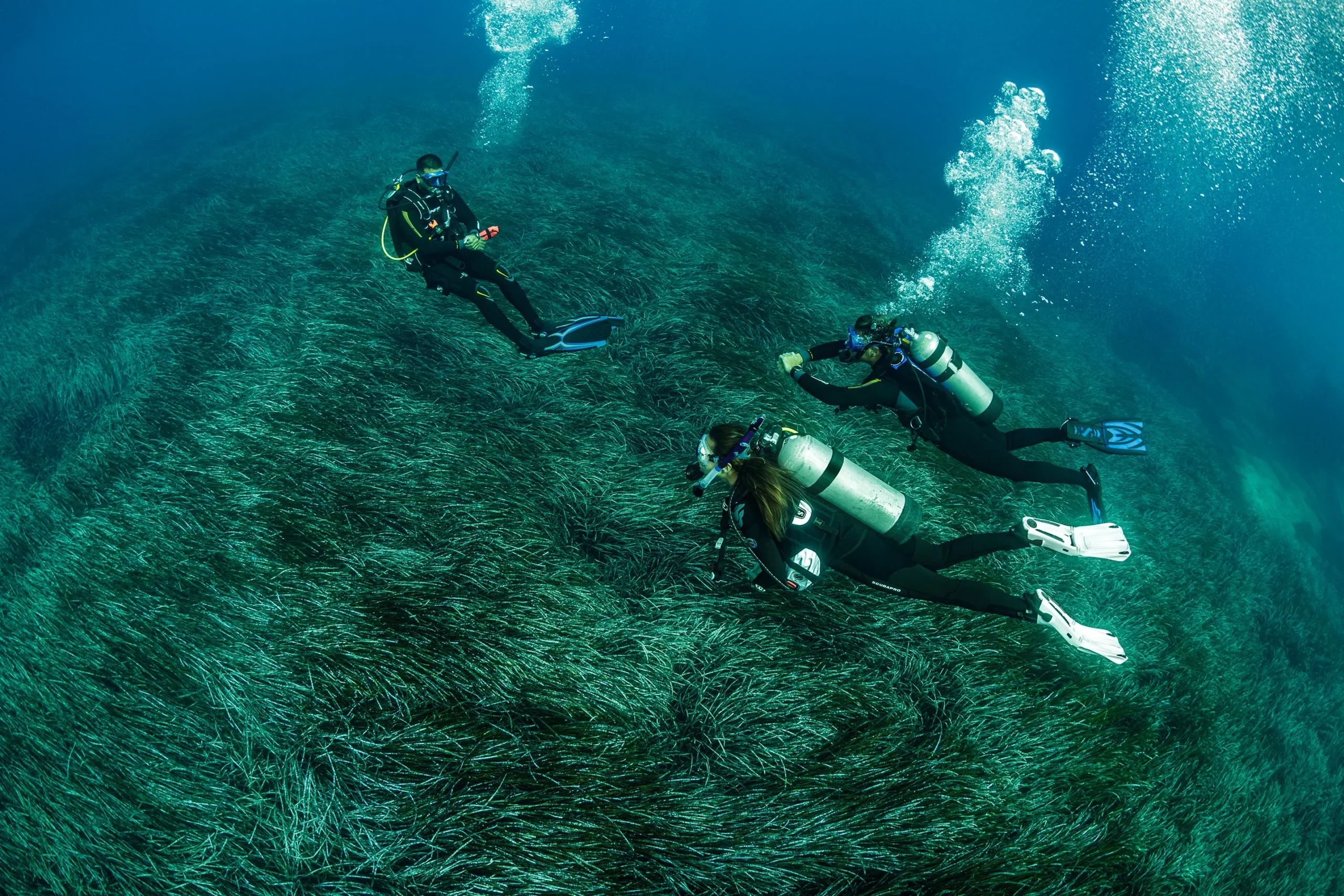
As the October–December travel season gets underway across Asia, scuba diving is emerging as a key driver of winter tourism, with travellers from colder climates seeking warm-water destinations and immersive marine experiences. Industry executives from PADI, the world's largest diver training organisation, say the region's established dive hubs and emerging destinations are poised to benefit from this seasonal shift.
Neil Davidson, Territory Director for PADI Asia Pacific, noted that the year-end holiday period typically boosts dive tourism across the region. “Travellers from northern latitudes seek warmer climates and tropical escapes, while the holiday period allows more time for long-haul trips and immersive experiences,” he said. “Coastal India, Indonesia, Malaysia, Thailand and the Philippines attract divers with their diverse marine life, underwater landscapes and year-round diving opportunities.”
Emerging markets widen Asia's diving appeal
Beyond the well-established markets of the Maldives, Indonesia, Thailand, the Philippines and Palau, lesser-known destinations are gaining traction as divers look for new experiences. Davidson identified India's island territories and emerging coastal diving hubs as areas to watch, alongside other South and Southeast Asian destinations.
“In India, Lakshadweep and the Andaman and Nicobar Islands are attracting growing interest, while more dive centres are opening along the mainland coast,” he said. “Other destinations across South and Southeast Asia, including Sri Lanka, Timor-Leste and Brunei, are also expanding their diving offerings.”
The expansion of diving infrastructure across the region is a key factor. With new PADI Dive Centres opening and existing facilities broadening their operations, access to training and diving experiences is improving, allowing more travellers to explore emerging destinations safely and responsibly.
PADI puts conservation and training at the centre of 2027 plans
Marine conservation and wider access to training will remain central to PADI's priorities in 2027. Davidson said the organisation would encourage greater participation in its citizen science initiatives, including the Global Shark and Ray Census and AWARE Biodiversity Survey. These programmes enable recreational divers to contribute to marine research by recording biodiversity and shark and ray sightings, linking recreational diving with practical conservation efforts.
In India, PADI plans to build on its partnership with the Adventure Tour Operators Association of India (ATOAI) to raise awareness of domestic diving opportunities and support sustainable tourism. Davidson also expects inland dive centres to gain ground in cities such as Hyderabad, Chennai and other urban hubs. These facilities give beginners an opportunity to learn basic skills and complete confined-water training in pools before progressing to open-water dives. Expanding such entry points could help introduce scuba diving to a broader audience across the country.
Andaman Islands offer year-round diving opportunities
Vinod Bondi, PADI Regional Manager for India and Sri Lanka, said India's diving potential extended beyond the traditional seasonal perception of its island destinations. While the Andaman Islands are often associated with a main diving season from October to May, he stressed that diving opportunities remain available throughout the year.
“Contrary to popular belief, the Andaman Islands are a year-round diving destination, offering diving opportunities throughout the year,” Bondi said. “While tourist numbers may fluctuate depending on holiday seasons, the underwater world remains pristine and full of life for divers all year round.”
India emerges as both a dive destination and source market
India is also emerging as a source market for international dive tourism, alongside its development as a destination for domestic and overseas visitors. Bondi said greater awareness of marine biodiversity was encouraging more Indians to take up scuba diving, creating opportunities for both local operators and businesses in overseas markets.
“With more Indians taking up scuba diving, the country is uniquely positioned to cater to a growing community of divers keen to explore both domestic and international destinations,” he said. He added that dive centres in popular overseas markets were increasingly recognising India's potential, with some recruiting Indian Divemasters and Instructors.
The expanding domestic diving community is also generating demand for experiences closer to home, while international visitors are discovering India's underwater attractions, particularly around its islands. This convergence of domestic and inbound demand offers scope to strengthen the country's position in the global dive tourism market.
Inclusive experiences and marine conservation shape diving's future
Protecting marine ecosystems will be critical as destinations promote wildlife encounters, from manta rays in the Maldives and Indonesia to thresher sharks in the Philippines. Bondi said diving often fosters a stronger appreciation of marine life, but dive centres and local authorities must help ensure that increased visitor interest translates into responsible practices and long-term conservation.
The growth of dive tourism also aligns with broader travel trends, such as the shift towards experience-led trips. As Agoda data shows Indian festive travel shifting to experience-led trips, operators are adapting their offerings to meet demand for meaningful, activity-based holidays. Similarly, Booking.com's 2027 predictions highlight APAC travellers chasing emotional, AI-driven trips, suggesting that dive tourism's appeal lies in its ability to deliver memorable, purpose-driven experiences.
For travel professionals, the message is clear: Asia's dive market is no longer a niche segment but a significant contributor to winter tourism. With the right investment in infrastructure, training and conservation, destinations from the Maldives to the Andaman Islands can capitalise on this growing demand while ensuring the long-term health of their marine environments.