Walk Japan, a specialist in small-group cultural tours, has rolled out four new itineraries designed for solo travelers who want the freedom to explore on their own terms while still enjoying the camaraderie of a group. Dubbed “solo-ish,” these journeys tap into a growing demand for flexible travel that balances personal space with social connection—a theme echoed in Hilton’s 2027 Trends Report, which identifies “The Great Rebalance” as a key driver for future travel.
The new offerings are a strategic move for Walk Japan, which has long catered to independent-minded travelers. By removing the minimum group size requirement, the operator allows solo adventurers to join without the pressure of a full group, while still providing the structure of a guided itinerary. This hybrid model is gaining traction across the industry, as more travelers seek meaningful experiences that don’t sacrifice autonomy.
Four distinct routes across Japan
The Tohoku Aizu Explorer is a seven-day journey through ancient battlefields and historic highways, tracing the footsteps of Aizu’s daimyo and samurai. Available from May to November, it starts at US$4,000 (JPY 598,000) per person, based on double occupancy. The route offers a deep dive into Japan’s feudal past, with stays in traditional ryokan and visits to well-preserved castle towns.
For those seeking winter scenery, the Onsen Gastronomy: Snowy Aizu tour runs from late December to early March. This five-day itinerary combines snow-covered landscapes, samurai heritage, and restorative hot springs, with prices starting at US$4,000 (JPY 598,000) per person. It’s a seasonal counterpoint to the summer-focused explorer route, appealing to travelers who prefer off-peak travel.
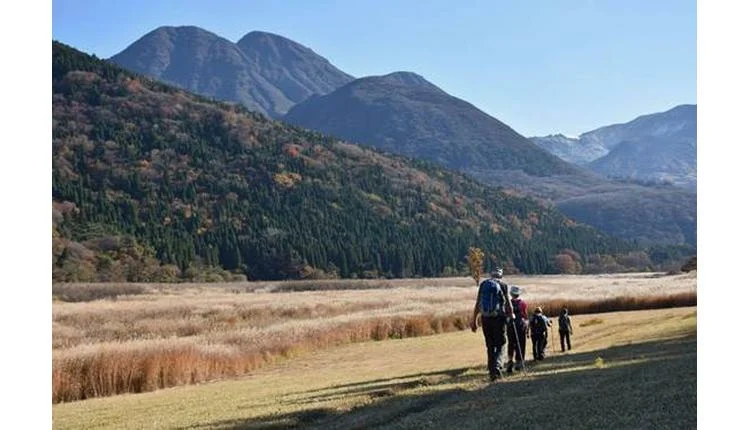
Further south, the Oita Hot Spring Trail is a six-day journey through Japan’s most famous onsen region. The itinerary pairs countryside walks with kaiseki dinners, offering a taste of rural Japan and its culinary traditions. Available year-round, it starts at US$2,750 (JPY 410,000) per person, making it the most accessible of the four.
The most ambitious is the Shikoku Temple Pilgrimage, an 11-day trek along the 1,200-year-old 88 Temple Pilgrimage route. Participants visit 27 of the 88 temples, experiencing a spiritual journey that has drawn pilgrims for centuries. Running from March to May and September to November, it starts at US$5,100 (JPY 760,000) per person.
Industry context and trends
Walk Japan’s move aligns with broader shifts in the travel industry, where solo travel is no longer a niche segment. According to recent data, solo travel bookings have surged, and operators are adapting by offering more flexible group formats. The “solo-ish” concept is a direct response to this trend, providing a middle ground between fully independent travel and traditional group tours.
This approach also resonates with the growing interest in shared ground planning across Asia, where destinations are rethinking how to accommodate diverse traveler preferences. By allowing solo travelers to join without a minimum group size, Walk Japan is positioning itself at the forefront of this shift.
Japan remains a top destination for cultural tourism, and these itineraries capitalize on its rich heritage. From the samurai towns of Aizu to the pilgrimage trails of Shikoku, the routes offer a mix of history, nature, and wellness—elements that appeal to today’s experience-driven travelers.
For travel agents and tour operators, these new products represent an opportunity to tap into the solo travel market. With clear pricing and seasonal availability, they are easy to package and promote. Walk Japan’s reputation for quality guiding and small-group experiences adds further appeal.
As the industry looks ahead to 2027, the themes of balance and reconnection are likely to shape product development. Walk Japan’s solo-ish itineraries are a timely example of how operators can innovate to meet evolving traveler expectations.