Asia's pop culture juggernaut is reshaping global travel patterns, with fans flocking to destinations featured in their favorite music, anime, and films. Japan earned approximately US$60 billion in tourism revenues from foreign visitors on seichi junrei (fan pilgrimages), while South Korea's K-pop phenomenon contributed US$14 billion to its economy. This trend, accelerated by streaming platforms and social media, shows no signs of slowing.
Four Pillars of Pop Culture Tourism
The sustained surge in Asian pop culture tourism rests on four key factors: streaming and social media amplification, set-jetting to filming locations, concert tourism, and active government support. Each element reinforces the others, creating a virtuous cycle that draws global travelers.
Streaming and Social Media: The Global Gateway
Platforms like Netflix, Disney+, Southeast Asia's Viu, and China's iQiyi have given international audiences unprecedented access to Asian content. During the pandemic, these services built emotional connections to filming locations and local lifestyles, fueling revenge travel once borders reopened. The visibility of Japanese intellectual properties led to a 195% year-on-year increase in searches for related travel experiences on Trip.com, according to recent data.
Set-Jetting: From Screen to Destination
The seichi junrei mindset drives fans to visit sites featured in anime, manga, manhwa, and live-action productions. This phenomenon has also helped alleviate overtourism in Japan by diverting traffic to secondary destinations, boosting local economies. For example, locations from popular series like Demon Slayer have seen visitor surges, benefiting regional hotels and tour operators.
Concert Tourism: The BTS Effect and Beyond
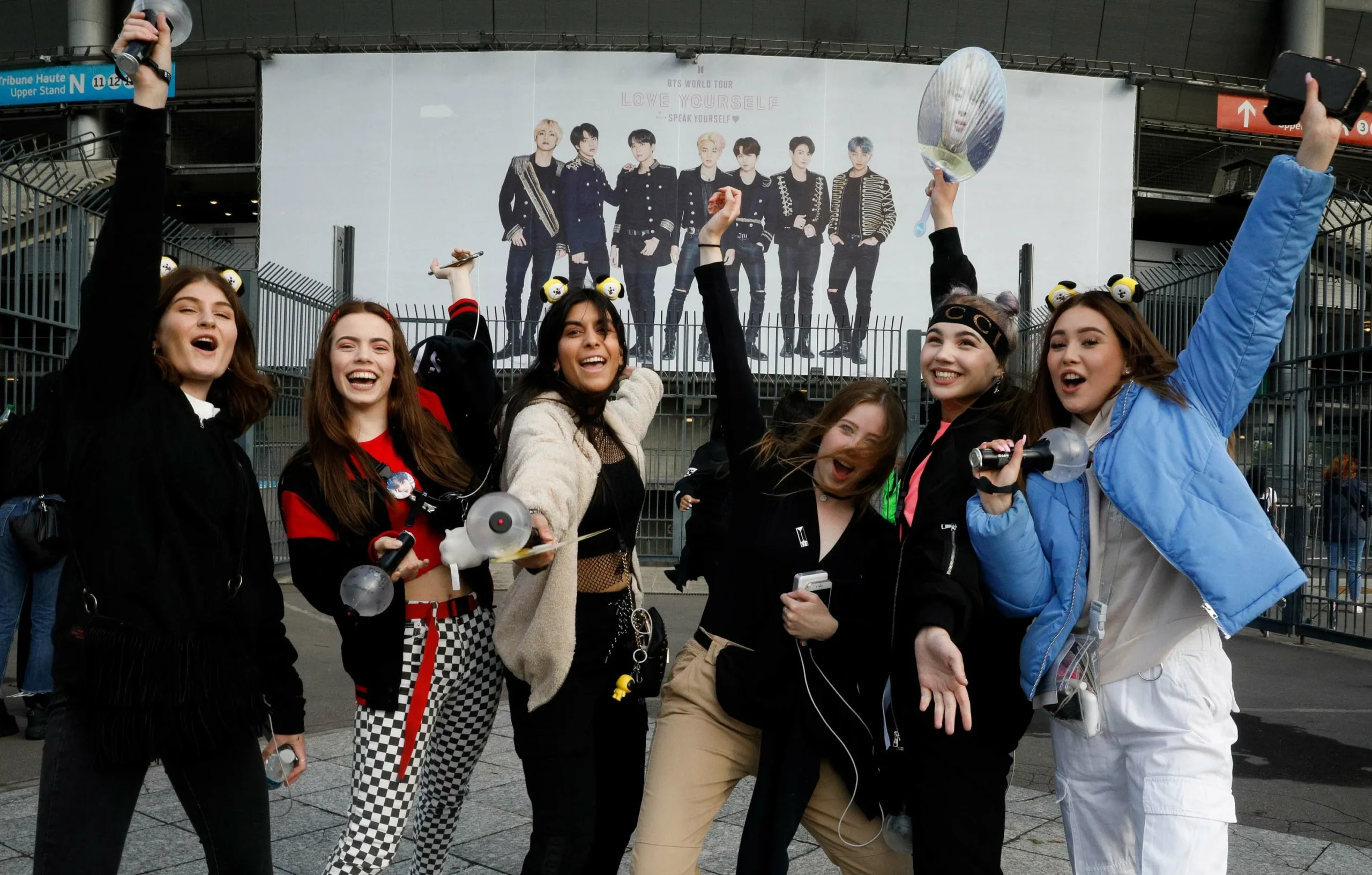
BTS's 23-nation Arirang World Tour is projected to generate approximately US$2 billion in total revenues by its conclusion in March 2025, driving flight and hotel bookings at every stop. Singapore, despite lacking homegrown megastars, has capitalized by hosting global acts like Taylor Swift and Lady Gaga, netting over US$40 million in tourism and hospitality revenues. This model is being replicated across the region, with Klook and the Korea Tourism Organisation deepening ties to streamline fan travel packages.
Government Support: The Strategic Ace
Japan's Cool Japan initiative and Korea's Hallyu policy integrate national branding, streamlined visas, and tourism promotions to actively welcome fans. These programs treat pop culture tourism as a strategic economic driver, not a novelty. The result is a coordinated ecosystem where airlines, hotels, and tour operators benefit from government-backed marketing campaigns.
Can India Replicate the Success?
The Indian subcontinent, home to Bollywood's US$2.5 billion film industry, has potential. Ramoji Rao Film City attracts 1.5 million tourists annually, while Mumbai's Dadasaheb Phalke Chitranagri draws 100,000. However, to scale up, India needs permanent immersive sets, character-driven memorabilia, and dedicated studio tours. States should map Instagrammable set-jetting itineraries based on blockbuster films and global OTT series. Promoting spiritual and mythological sites could also establish international linkages, as seen with Agoda and Taiwan Tourism Authority's multi-market campaign that leverages cultural touchpoints.
For travel professionals, the message is clear: Asia's pop culture boom is not a fleeting trend but a structural shift in global tourism demand. Airlines should consider direct routes to secondary Japanese cities popularized by anime; hoteliers can create themed packages for concert-goers; and tour operators should develop specialized fan itineraries. The region's success offers a blueprint for destinations worldwide, provided they invest in infrastructure and government support.