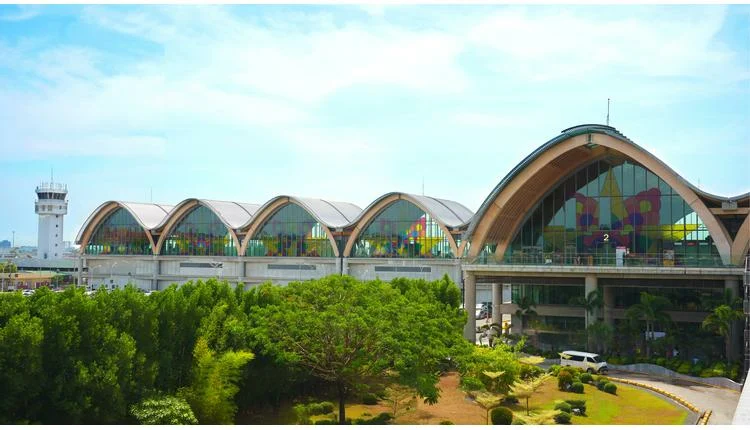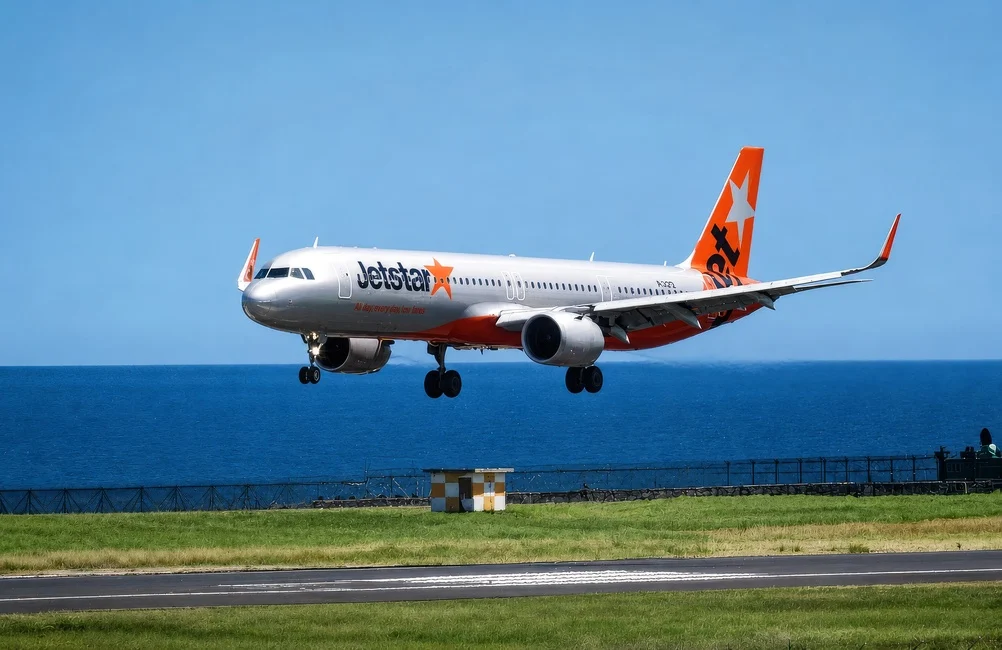
The Australian Travel Industry Association (ATIA) has endorsed the upcoming domestic services from Western Sydney International (Nancy-Bird Walton) Airport (WSI) operated by Jetstar and Qantas. Tickets are now on sale for routes linking WSI with Melbourne, Brisbane, and the Gold Coast, a move that expands options for travellers and creates fresh opportunities for travel intermediaries.
Route Details and Timelines
From 25 October 2026, Jetstar will operate 14 weekly flights to Melbourne, four to the Gold Coast, and three to Brisbane. Qantas will follow on 28 March 2027, deploying QantasLink Embraer E190 aircraft on four weekly services to both Brisbane and Melbourne. This phased introduction allows the market to absorb capacity while giving agents time to build packages around the new schedules.
The Western Sydney catchment, home to more than two million residents, has long lacked direct air connectivity. WSI’s location offers a closer alternative to Sydney Kingsford Smith for many in the region, potentially shifting demand patterns for domestic travel. Travel agents and tour operators serving Western Sydney can now offer clients convenient departures without the need to cross the city.
Cargo and Freight Developments
WSI is positioning itself as a major freight hub. Its 24-hour Cargo Precinct opens on 26 July 2026, with Qantas Freight among the first tenants. This complements the passenger growth and signals the airport’s ambition to become a multimodal logistics centre. The cargo capability may also support inbound tourism by enabling faster supply chains for perishable goods and retail merchandise.
Industry Reaction
Dean Long, CEO of ATIA, commented: “This is exciting news for Australian travellers and for the travel industry. More flights always means more options for travellers, and more options means more business for the travel agents and tour operators who are there to help Australians plan their trips.”
ATIA represents Australia’s AUD 70.6 billion travel sector. The association views WSI as a transformative addition, particularly for the Western Sydney population now gaining direct access to the national network. The development is expected to stimulate competition on trunk routes and encourage new itineraries for leisure and corporate travel alike.
Implications for Travel Professionals
For airlines, the new routes add capacity on the Sydney–Melbourne and Sydney–Brisbane corridors, already among the world’s busiest domestic city pairs. Jetstar’s low-cost model and QantasLink’s regional jet service offer distinct price points, giving agents flexibility to match clients with the right product. The Gold Coast service, in particular, opens a leisure corridor that may appeal to families and event travellers.
Hoteliers and tour operators in Melbourne, Brisbane, and the Gold Coast should anticipate increased demand from Western Sydney residents. Packages combining flights with accommodation or experiences could be marketed through the GDS systems used by agents. The 2026–2027 timeline allows for advance planning and partnership building.
Travel technology vendors may also find opportunities as WSI’s systems integrate with global distribution platforms. The airport’s greenfield status means modern infrastructure from the outset, potentially easing API connections for booking engines and inventory management tools.
For a broader view of airport expansion and its impact on travel networks, see our coverage of Red Sea Global’s Al Wajh Airport expansion. Additionally, the growth of domestic air travel aligns with trends highlighted in Discover Boating Canada’s push for local tourism.
As WSI ramps up, travel professionals should monitor fare trends, capacity adjustments, and ancillary revenue opportunities. The airport’s 24-hour operating status could also attract late-night and early-morning slots, further differentiating it from curfew-restricted Sydney Kingsford Smith.