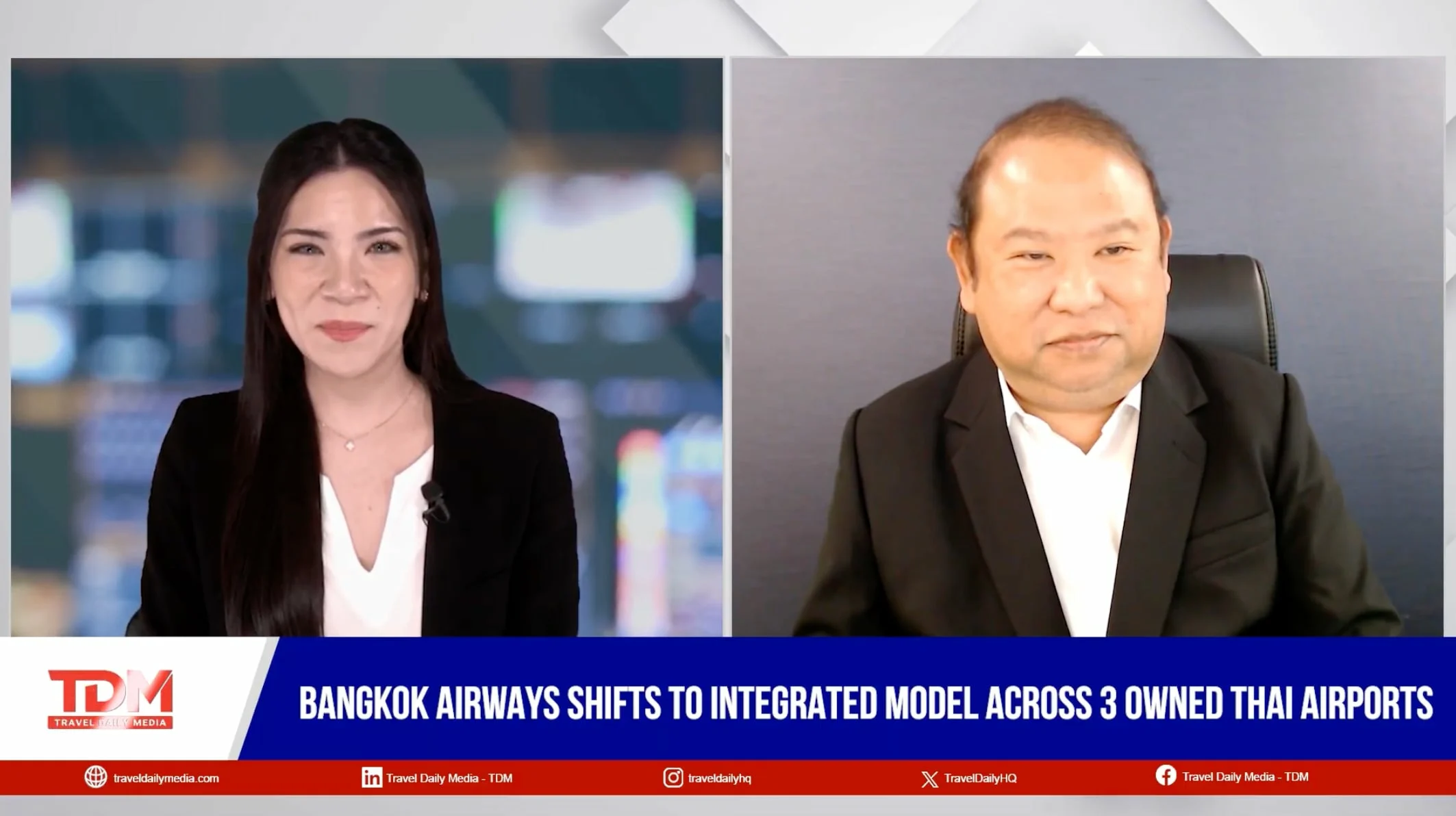
Bangkok Airways is pivoting from a pure-play carrier to an integrated aviation services group, using its ownership of three Thai airports as a foundation for more stable revenue and stronger regional connectivity. President Puttipong Prasarttong-Osoth outlined the strategy in a recent interview, emphasizing that the company now spans airline operations, airport management, catering, ground handling, cargo warehousing, and travel-related services.
From Airline to Ecosystem Operator
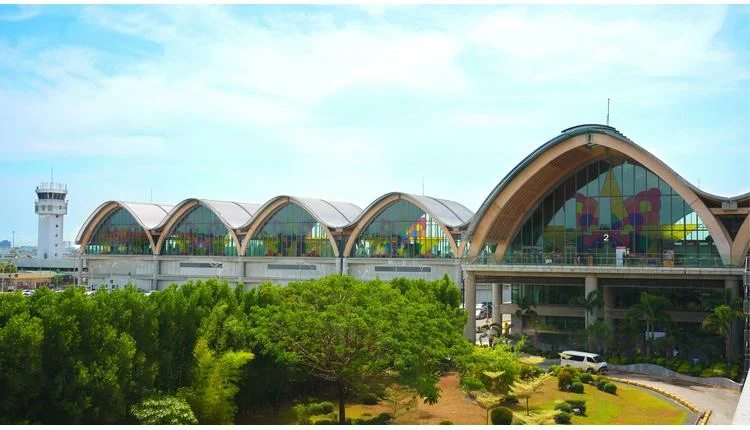
“Bangkok Airways is not only an airline, we are a fully integrated aviation services company,” Prasarttong-Osoth said. The shift reflects a deliberate effort to diversify income beyond passenger ticket sales. The group controls airports in Samui, Trat, and Sukhothai — key gateways for tourism flows to Thailand’s secondary destinations. By managing both the airlift and the infrastructure, Bangkok Airways aims to deliver a seamless travel experience while building long-term growth.
The integrated model allows the carrier to capture value across the travel chain, from landing fees and passenger services to inflight catering and cargo handling. This approach mirrors strategies seen at other airport-owning carriers such as Japan’s ANA Holdings, which operates Haneda’s international terminal, and Singapore’s Changi Airport Group, though Bangkok Airways is unique in combining a regional airline with multiple smaller airports.
Fleet Renewal with ATR 72-600s
Central to the plan is a fleet modernization program. In the third quarter of 2025, Bangkok Airways signed a firm order for 10 ATR 72-600 aircraft, with options for two additional units. Deliveries are scheduled from the fourth quarter of 2026 through 2028. The new turboprops will replace older ATR models and support regional routes linking tourism hubs such as Bangkok (BKK) to Samui (USM), Trat (TDX), and Sukhothai (THS), as well as connections to neighboring countries.
Prasarttong-Osoth noted that the fleet update is expected to lower maintenance costs, reduce emissions, and improve operational reliability while maintaining passenger comfort. The ATR 72-600’s fuel efficiency aligns with the carrier’s environmental goals and its Low Carbon Skies project.
Sustainable Aviation Fuel and Net-Zero 2050
Bangkok Airways began using sustainable aviation fuel (SAF) on international commercial flights in 2025, marking a step toward the aviation sector’s net-zero 2050 target. The airline is blending SAF on routes such as Bangkok–Maldives and Bangkok–Chiang Mai, leveraging its own fueling infrastructure at its airports to manage costs. The Low Carbon Skies initiative also includes carbon offset programs and operational efficiency measures.
The carrier’s integrated structure gives it flexibility in adopting green technologies. For example, its catering and ground services units can coordinate with the airline to reduce waste and optimize fuel usage. This holistic approach is increasingly important as corporate travel buyers and tour operators demand sustainability credentials from their partners.
Regional Tourism Connectivity and the Test Ahead
Bangkok Airways’ strategy comes as Thailand’s tourism recovery gains momentum, with international arrivals expected to exceed 40 million in 2025. The carrier’s airports in Samui, Trat, and Sukhothai serve as gateways to popular destinations like Koh Samui, Koh Chang, and the Sukhothai historical park. By controlling both the airline and the airports, the group can coordinate schedules, pricing, and ground services to optimize the passenger journey.
The test will be whether new aircraft and SAF adoption can reduce costs and emissions while supporting Thailand’s tourism recovery. Prasarttong-Osoth expressed confidence that the integrated model provides a buffer against market volatility. “We are building a more resilient aviation business,” he said.
For travel professionals, Bangkok Airways’ evolution offers a case study in vertical integration within the aviation sector. The approach is particularly relevant for regional carriers in Southeast Asia, where airport infrastructure is often a bottleneck. As the group expands its services, it may also explore partnerships with global distribution systems like Amadeus or Sabre to enhance connectivity for agents and tour operators.
Related reading: TajSATS Commissions 45,000-Sq-Ft Inflight Kitchen at Noida International Airport and IndiGo Launches Airport Transfer Service with Loyalty Rewards.