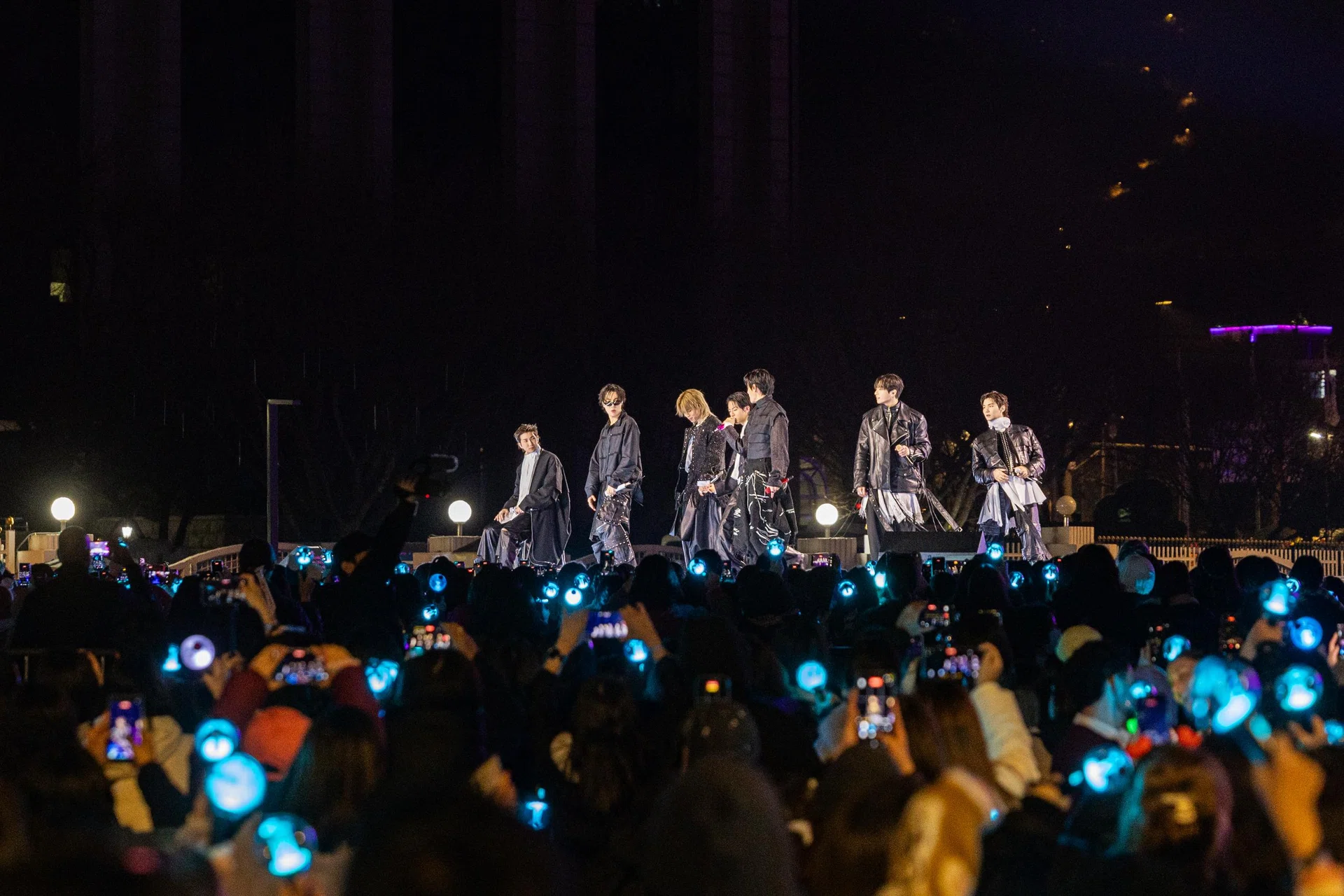
The global travel industry is witnessing a seismic shift in concert tourism as BTS's Arirang world tour mobilizes millions of fans across 23 countries. Industry analysts project the tour will generate up to US$2 billion in total revenues by its final show on 14 March 2027 in the Philippines, with significant implications for airlines, hotels, and destination marketing organizations.
Unprecedented Travel Demand Surge
When tour dates were announced in January 2025, online travel platforms (OTPs) experienced immediate spikes. Hotels.com reported a 155 percent increase in international searches for travel to Seoul within 48 hours of the announcement. Domestic travel searches for Seoul and Busan surged 190 percent and 3,855 percent respectively, while overseas fans drove searches for trips to Busan by several thousand percentage points.
The phenomenon extends beyond South Korea. In São Paulo, Brazil, regional transportation searches spiked over 600 times above normal baselines. Paris, France saw a 590 percent leap in travel demand tied to the band's schedule. This pattern mirrors earlier surges seen during Coldplay's Music of the Spheres tour and Taylor Swift's Eras tour, but the scale here is unprecedented.
Fan Spending Outpaces Typical Tourists
Data from Korea's Hana Card and the Korea Culture and Tourism Institute reveals that BTS fans spend significantly more than conventional leisure or business travelers. The three-night kickoff at Seoul's Goyang Sports Complex generated approximately US$37.3 million in direct consumer spending. Foreign fans spend an average of US$1,248 on accommodations, local transport, dining, and retail during a tour stop.
According to Tourism Economics, BTS fans globally exceed average tourist spending in local economies. In Los Angeles and Las Vegas, limited engagement performances generated over US$260 million in tourist revenues over four days. While concert tourists typically spend up to 3.4 times their ticket price at the location, BTS fans spend up to six times the ticket price to travel overseas, dine, and shop before or after performances.
This trend is reshaping hotel revenue strategies. As Fairmont Hotels & Resorts and other luxury chains invest in renovations, they are positioning to capture high-spending concert tourists who stay longer and book premium rooms.
BTSnomics and Destination Impact
Experts have coined the term "BTSnomics" to describe the economic ripple effect. The tour includes 88 performances across North America, Europe, Latin America, Asia, and Australia, packing flights and filling hotel capacities. Dedicated fans purchase an average of 2.1 tickets per person and extend their stays, multiplying local restaurant and retail revenue.
Asia remains a focal point, with nine tour stops in the region. The surge in intra-Asia travel aligns with broader trends: Klook data shows 95% of travelers maintain 2026 plans, indicating sustained demand. For destinations like Busan, which hosted the group's anniversary concert, local search interest skyrocketed 2,375 percent, driving hotel occupancy and retail sales.
Implications for Travel Industry Stakeholders
Airlines are adjusting capacity on routes to tour cities. For example, Virgin Atlantic's expansion in India reflects growing premium outbound demand that concert tourism amplifies. Similarly, payment infrastructure upgrades like JCB contactless payments on Taipei Metro cater to international fans navigating host cities.
While some analysts question whether BTS can match the economic impact of Taylor Swift's Eras tour, the numbers are compelling. Hundreds of millions of dollars in tourism revenue are expected across host economies, maximizing local municipal tax revenues and setting a new benchmark for concert-driven travel. For travel professionals, the lesson is clear: the BTS Arirang tour is not just a cultural phenomenon but a powerful economic engine that demands strategic attention.