On June 22, ByteDance’s AI-powered app Doubao began a limited trial of an integrated ride-hailing service in Beijing and Hangzhou, with all ride fulfillment handled by Caocao Mobility, the Geely-backed mobility platform. The trial marks ByteDance’s entry into China’s competitive ride-hailing market, directly challenging DiDi and Alibaba’s Qwen.
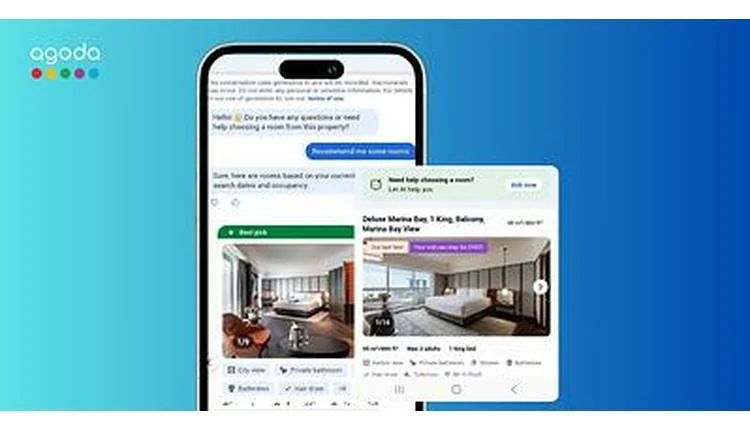
Users can request a ride directly within the Doubao chat interface by stating their travel needs. The system automatically identifies departure and destination points, passenger count, and vehicle preferences, then matches the user with Caocao Mobility’s fleet. After a one-click confirmation of route, vehicle type, and price, Caocao dispatches the order. This flow mirrors DiDi’s AI-powered ride-hailing service but eliminates the need to switch apps.
Strategic Positioning and Competitive Landscape
Alibaba’s Qwen has already been expanding into AI ride-hailing through its integration with Amap, creating a mobility service loop. Doubao’s partnership with Caocao Mobility positions ByteDance in direct competition with Qwen, while DiDi has aligned with Tencent’s AI ecosystem. Given DiDi’s historical ties with Tencent, integration with Doubao is unlikely in the near term.
Caocao Mobility, though significantly smaller than DiDi—which holds over 70% of China’s ride-hailing market compared to Caocao’s single-digit share—offers ByteDance greater negotiating leverage. Both sides have clear incentives: Caocao seeks to leverage Doubao’s 360 million monthly active users to build user habits ahead of the autonomous driving era, while Doubao needs a mobility partner with an autonomous-driving narrative to differentiate itself from DiDi’s integration into WeChat.
This partnership is expected to be deeper than a standard aggregator arrangement, as each side gets what it needs. For travel industry professionals, this development signals a shift in how AI platforms are integrating mobility services, potentially reshaping distribution channels for ground transportation.
For context, similar integrations are emerging across the travel ecosystem. For instance, Turo's new calculator lets renters compare EV and petrol costs for road trips, highlighting the growing role of AI in travel decision-making. Meanwhile, Akasa Air's revenue surge demonstrates how capacity growth and network expansion drive performance in aviation.
As ByteDance and Alibaba compete in AI ride-hailing, the travel industry should watch for potential impacts on corporate travel policies, MICE transportation logistics, and last-mile connectivity for air and rail passengers. The integration of AI assistants with mobility services could streamline booking processes for travel agents and corporate travel managers.
In the luxury segment, SKEMA's bolstering of its luxury management board in Dubai underscores the importance of strategic partnerships in high-end travel. Similarly, ByteDance’s move into ride-hailing reflects a broader trend of tech companies embedding travel services into their ecosystems.
The trial’s limited scope in Beijing and Hangzhou suggests ByteDance is testing the waters before a potential nationwide rollout. For now, the partnership with Caocao Mobility provides a viable path to compete with DiDi and Alibaba, leveraging AI to simplify the user experience.