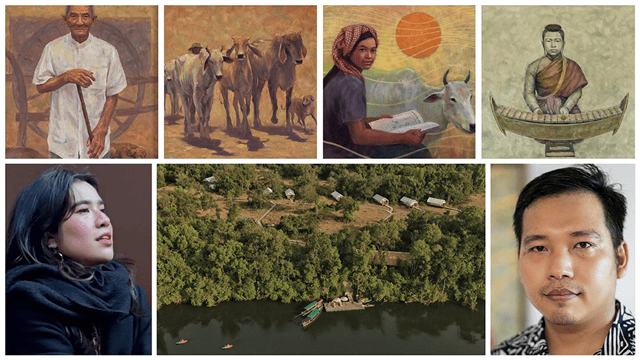
Cardamom Tented Camp, a sustainable ecotourism property in Cambodia’s Botum Sakor National Park, has introduced an artist-in-residence programme aimed at fostering creative engagement with the surrounding 18,000 hectares of indigenous forest. The initiative invites Khmer artists to draw inspiration from the protected landscape, beginning with Phnom Penh-based artist Im Pesey.
Pesey will reside at the camp from 21 June to 5 July, developing a body of work under the title “Melody of the Forest.” His practice will include watercolour paintings and mixed-media sketches, capturing the sensory atmosphere of the forest environment. “Through direct observation and immersion in the camp’s environment, I aim to develop a series of paintings and drawings that translate sensory experiences into expressive visual forms,” Pesey said.
Programme Structure and Guest Engagement
The residency is designed to create a dynamic exchange between artists, the natural setting, and guests. Each participating artist will conduct at least two workshops open to all skill levels, focusing on nature observation and drawing. Marsha Niemeijer, the camp’s artist residency director, noted that the programme aims to build a community inspired by nature, encouraging guests to connect with the environment through artistic practice.
Artists receive a stipend, accommodation, and full board during their stay. In return, they are expected to donate one artwork for permanent display at the camp, contributing to the property’s evolving collection.
Alignment with Sustainability Frameworks
The initiative aligns with The Long Run’s 4Cs framework, which integrates cultural, conservation, community, and commerce goals. Cardamom Tented Camp has long positioned itself as a model for sustainable tourism, combining low-impact accommodation with active forest protection. The residency programme reinforces this commitment by supporting local artists and promoting environmental awareness through creative expression.
Future residencies featuring additional Cambodian artists are expected to be announced in the coming months, further embedding the camp’s role in the region’s cultural and conservation landscape.
For travel professionals, the programme offers a differentiated guest experience that blends luxury tented accommodation with immersive cultural and environmental programming. Properties seeking to enhance their sustainability credentials may find similar models relevant, as seen in other initiatives such as The Residence Bintan’s expansion of cultural tours and sustainability projects or the broader trend of branded residences in Southeast Asia focusing on wellness and resort properties.
Cardamom Tented Camp’s residency programme represents a practical application of how hospitality operators can integrate local culture and conservation into their core offerings, appealing to environmentally conscious travellers and agents seeking authentic, purpose-driven itineraries.