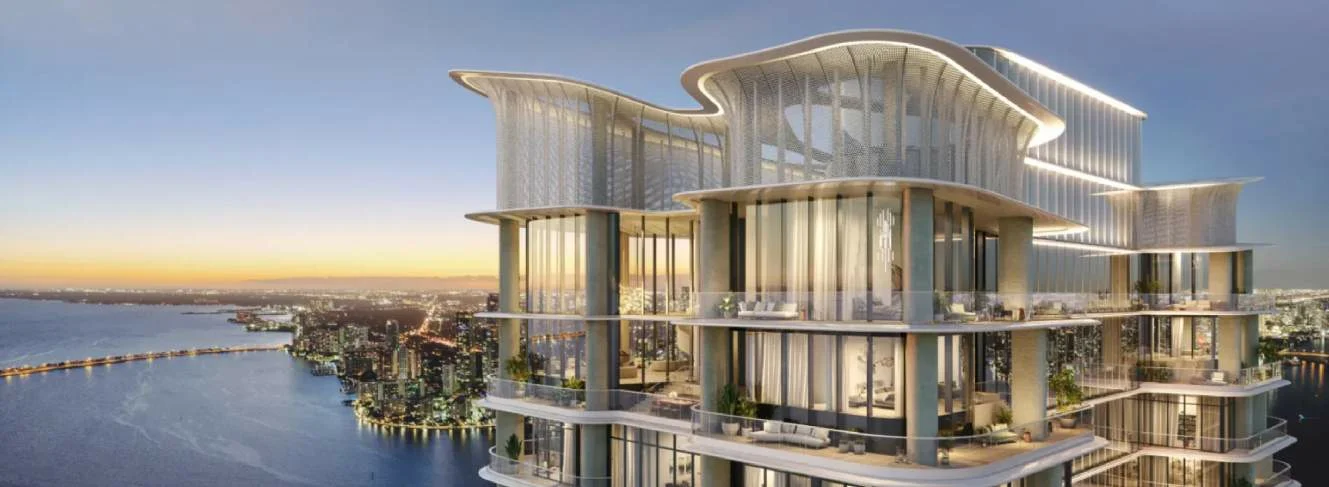
The branded residence segment in Southeast Asia has evolved far beyond its origins as a status symbol for the ultra-wealthy. According to an August 2025 report from Savills, the Asia-Pacific region now represents 40% of the global pipeline for branded residences, second only to the Americas. Of that, roughly 65% of upcoming supply is resort-based, reflecting a clear shift toward coastal and lifestyle-driven investments.
Authors Otto Twist and Jacke Chye note that Thailand, Vietnam, and Indonesia are leading the development pipeline, buoyed by rising affluence, tourism-led demand, and an increasingly brand-conscious investor base. These trends present timely opportunities for investors based in China, Hong Kong, and Singapore seeking premium lifestyle assets with long-term yield and capital appreciation potential.
Resort Locations Outpace Urban Markets
Resort destinations such as Bintan, Boracay, Da Nang, and Phuket now hold a clear edge over urban developments. The rise of lock-up-and-leave lifestyle buyers—who prioritize properties they can use occasionally and rent out easily—has driven demand in these coastal hotspots. Meanwhile, oversupply in capital cities like Bangkok, Jakarta, and Manila is forcing developers to offer stronger premiums and unique amenities to maintain value.
This dynamic is reshaping investment strategies. Hoteliers and developers are increasingly focusing on secondary destinations with strong tourism pull, rather than competing in saturated urban markets. For travel professionals, this signals a need to align offerings with the preferences of a new generation of buyers who value flexibility and experiential living.
Non-Hotel Brands Enter the Fray
Historically dominated by hospitality giants such as Marriott, Shangri-La, and Banyan Tree, the branded residences segment now features a more diverse mix of developers. Real estate companies are forming partnerships with supercar manufacturers and luxury fashion houses—maisons de mode—to target customers seeking a deeper connection to brand aesthetics and values. This trend is particularly pronounced in Southeast Asia, where brand-conscious investors are willing to pay a premium for properties that reflect their personal identity.
For travel-industry stakeholders, this diversification opens new opportunities for cross-sector collaboration. Airlines, cruise lines, and tour operators can explore co-branded packages or loyalty tie-ins with these non-hotel branded residences, creating unique experiences for high-net-worth travelers.
Wellness and Sustainability as Non-Negotiables
Millennial, Gen Z, and rising Alpha buyers are driving demand for properties that incorporate eco-friendly architecture, smart technologies, and wellness amenities. Swimming pools, gymnasia, and meditation spaces have become baseline expectations, not differentiators. Developers are responding by integrating sustainable design and wellness features into their projects, often in partnership with global wellness brands.
This shift aligns with broader trends in the travel industry, where Southeast Asian hotel margins are squeezed by fuel costs and labor shortages, pushing operators to find new revenue streams. Branded residences offer a way to monetize real estate while catering to the wellness-focused traveler.
Buyers Demand Transparency and Guarantees
Today's real estate buyers are increasingly selective and emotional about their purchases. With rising supply, they expect ironclad guarantees on long-term property maintenance, rental yields, and resale liquidity. Developers must provide clear, data-backed projections to win trust.
This trend mirrors the growing demand for transparency in the broader travel ecosystem. As HOFTEL's Simon Allison notes, hospitality investors must look beyond buzzwords to deliver real value. The same applies to branded residences: buyers want proof, not promises.
The branded residence boom in Southeast Asia is not just a real estate story—it is a travel-industry story. For airlines, hotel groups, cruise lines, and tour operators, understanding these shifts is essential to capturing the next wave of high-net-worth travelers. As resort destinations like Phuket and Da Nang continue to attract investment, the lines between travel and real estate will only blur further.