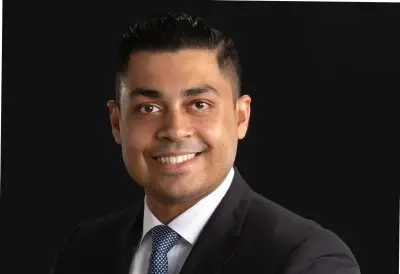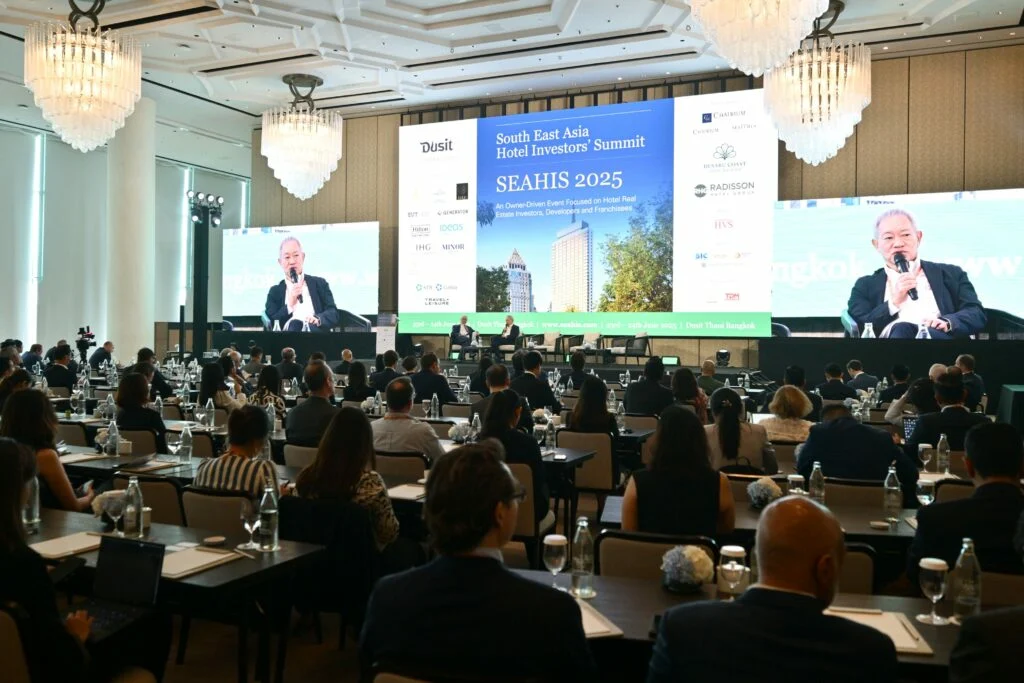
Simon Allison, founder and chairman of HOFTEL, is clear-eyed about the state of global hospitality investment. Speaking ahead of the South East Asia Hotel Investors’ Summit (SEAHIS) 2026, set for 15–16 June in Bangkok, he described a sector caught between short-term headwinds and long-term structural shifts.
“The global geopolitical crisis is also having an impact, diverting tourists who used to fly via the Gulf as well as keeping fuel costs and interest rates high,” Allison said. “So, the overall situation is a lot less stable and benign than people had probably anticipated, which is bound to be a drag on transactions.”
That drag is visible in falling short-term RevPAR and widespread project delays that have frozen opportunistic capital. Yet paradoxically, regional sovereign wealth funds continue to bankroll long-term tourism infrastructure as part of economic diversification strategies. The result is a market where patience and precision matter more than ever.
Japan, Korea, Australia still dominate; China and Vietnam emerge
According to Allison, institutional investor priorities remain largely unchanged: Japan is hot, followed by Korea and Australia — all liquid, transparent markets. China is increasingly seen as a long-term recovery play. In Southeast Asia, Vietnam is “very much in vogue with a massive rebound from the property crisis a few years ago,” while Thailand is “probably suffering from that along with its overall economic stagnation.”
The luxury segment has surged since the pandemic, with rates soaring to levels that make new projects viable — especially those with a branded residence angle. “This is true across the world, not only in Asia,” Allison noted. “However, there must inevitably come a ceiling to prices, and rising costs are bound to be a challenge, along with balancing AI-driven automation with personalisation.”
That tension will be explored at SEAHIS 2026 in a panel titled “Can big boxes really be luxury — and does scale still drive margins at the top end?” on 15 June.
Allison also pointed to rapid growth in branded residences, co-living, serviced apartments, and wellness- and F&B-driven products. “The challenge will be to build products that go beyond the usual lifestyle or boutique buzzwords to create something truly different in a world with over 2,000 recognised hotel brands,” he said.
Structurally, franchising is gradually replacing management agreements, and white-label operators are growing — though more slowly than some expected. “Will the big global brands just keep on expanding, or will they re-focus on Net Unit Profit instead of Net Unit Growth? That might be the biggest change over the next decade,” Allison said.
SEAHIS 2026 will feature nearly 130 speakers, including industry specialist Bill Barnett and leading investors such as Suchad Chiaranussati, Kenny Gaw, Kieran Bestall, Hoe Kit Mak, Choe Peng Sum, Aki Tachibana, and David Ling. Approximately 50 percent of attendees are from groups that put capital into hospitality real estate, representing nearly 100 different companies.
“SEAHIS is a wonderful forum for property owners to compare notes and learn from each other, and also an amazing place for those who provide services to the capital suppliers,” Allison said. “We combine a very relaxed approach with a real focus on live topics, with speakers encouraged to say what they really think.”
For travel professionals tracking the region, the event offers a rare concentration of decision-makers. As Allison put it, the feedback HOFTEL consistently receives is: “Great crowd, create content.”
Related reading: Southeast Asian Hotel Margins Squeezed by Fuel Costs and Labor Shortages and Maldives Luxury Resorts Diversify Guest Mix as GCC Disruptions Bite.