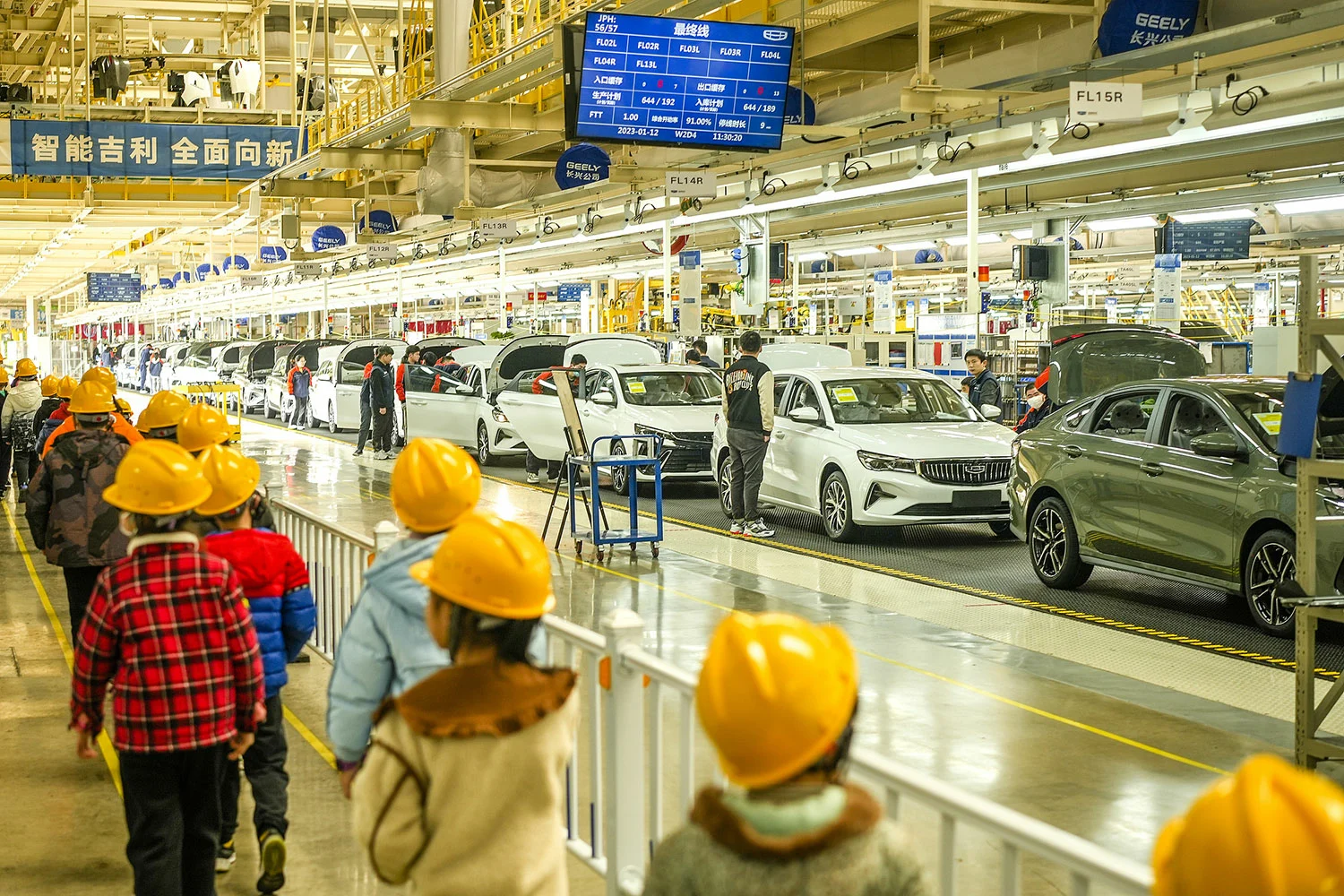
Factory tourism in China has emerged as a significant growth segment for the travel industry, with summer bookings surging 36% year-on-year, according to data from Tongcheng Travel. The trend reflects a broader shift in how travelers, both domestic and international, are engaging with the country's manufacturing prowess.
Family and Gen Z travelers drive demand
Family travelers remain the core audience, accounting for 68% of all factory-tour bookings. However, the demographic is broadening: bookings among Gen Z travelers born after 2000 have grown 12% year-on-year, indicating that younger travelers are increasingly drawn to industrial experiences. This aligns with a wider appetite for immersive and educational travel, as seen in other sectors like luxury travel, which also continues to defy headwinds.
Short trips and extended stays
The travel patterns for factory tourism are distinct. Over 80% of bookings are for trips within a three-hour travel radius, underscoring the popularity of weekend micro-getaways. Conversely, factories are becoming a key factor in destination choice, with more than 80% of travelers who include factory visits in their itineraries staying in a single city for over three days on average. This dual pattern offers opportunities for hotels and local tourism boards to package extended stays around industrial attractions.
Inbound interest skyrockets
International travelers are also flocking to factory tours. HopeGoo, Tongcheng Travel's international booking platform, reports a ninefold surge in inbound bookings for factory-tour products this summer. This growth positions factory tourism as a new driver for inbound travel, complementing other attractions like Shenzhen's Huaqiangbei electronics market and Yiwu's small commodity market. The combination of seeing how products are made and buying them creates a unique 'Made in China' experience that appeals to global visitors.
Top destinations for factory tourism
According to HopeGoo, the cities with the highest hotel demand near factory-tour sites among inbound travelers include Zhuhai, Hangzhou, Suzhou, Foshan, Dongguan, Nanjing, Xi'an, Wuhan, Zhengzhou, and Jinhua. These cities boast robust manufacturing bases and well-developed industrial tourism resources, offering international visitors a diverse range of experiences. For hoteliers and destination marketers, these cities represent emerging hotspots that could benefit from targeted promotions.
The rise of factory tourism also intersects with broader travel trends. For instance, the extreme heat reshaping summer operations in the US has prompted travelers to seek indoor and climate-controlled activities, a factor that may also influence choices in China. Additionally, the growth in inbound factory tourism aligns with efforts to attract international visitors, similar to initiatives like the China Ready workshop at WTM Africa, which focuses on digital marketing to boost tourism.
As factory tourism continues to gain traction, travel professionals should monitor this niche for its potential to drive bookings, extend stays, and diversify destination appeal. The data from Tongcheng Travel and HopeGoo underscores a clear opportunity for tour operators, hotels, and destination management organizations to develop tailored products that cater to this growing demand.