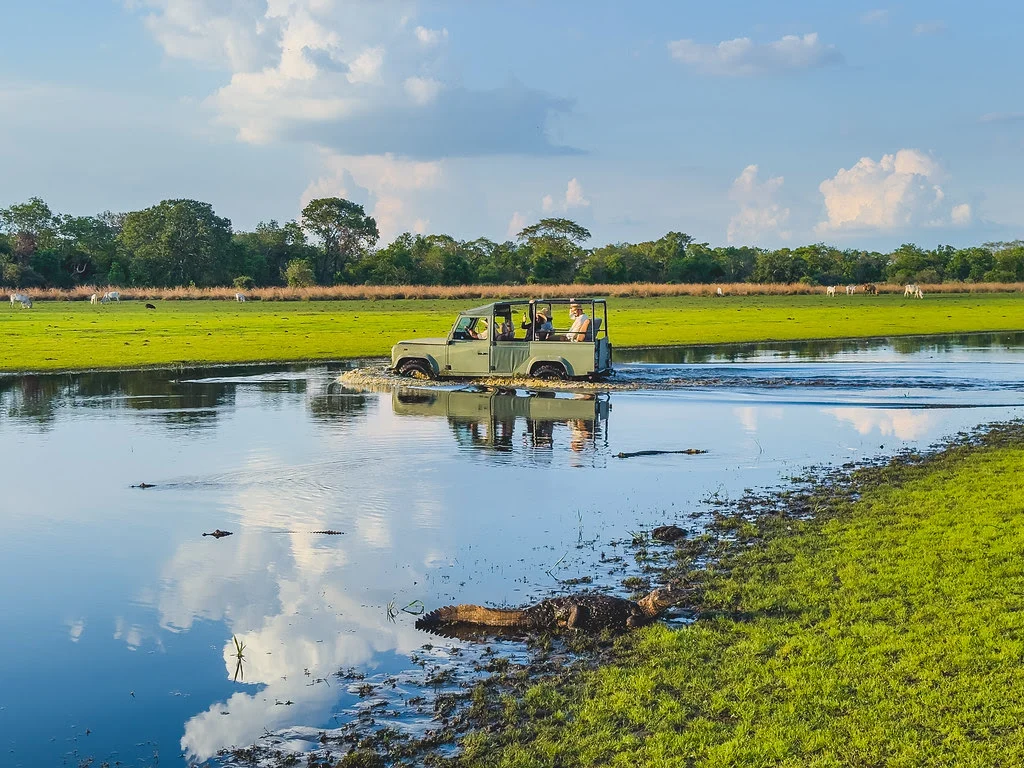
Leonardo DiCaprio's recent expedition into Brazil's Pantanal has put a global spotlight on the world's largest tropical wetland, reinforcing its status as a premier destination for conservation-focused travel. The actor and environmental advocate, who founded the NGO Re:wild, spent time in the region to observe firsthand the conservation initiatives that are shaping the future of this UNESCO Natural World Heritage Site.
The Pantanal, which stretches across the states of Mato Grosso and Mato Grosso do Sul, is a mosaic of rivers, grasslands, and forests that pulses with the rhythms of its wet and dry seasons. This dynamic ecosystem supports an extraordinary array of wildlife, including jaguars, capybaras, and over 650 bird species, making it a magnet for wildlife enthusiasts and photographers.
Conservation as a Travel Driver
DiCaprio's visit highlights a broader trend in travel: the rise of conservation tourism, where travelers seek experiences that contribute to protecting natural habitats. In the Pantanal, this is exemplified by the Onçafari project at Caiman Pantanal, which focuses on jaguar research and ecotourism, allowing visitors to observe these elusive predators in their natural environment while supporting their conservation.
Another key initiative is the Hyacinth Macaw Project, established in 1990, which monitors and protects the region's iconic blue macaws. The Instituto Homem Pantaneiro also plays a vital role, working to safeguard natural areas and support local communities. These projects not only preserve biodiversity but also create sustainable economic opportunities for the region.
For travel professionals, the Pantanal offers a compelling product: high-end, low-impact experiences that appeal to the growing segment of eco-conscious luxury travelers. Operators can craft itineraries that combine jaguar tracking, horseback riding, and river cruises, with visits to conservation projects that provide a deeper sense of purpose.
The region's distinct northern and southern parts offer different experiences, from the more remote northern Pantanal to the accessible southern areas near Campo Grande. This diversity allows for tailored packages, whether for birdwatching enthusiasts, photographers, or those seeking a wildlife safari with a conservation angle.
DiCaprio's endorsement is likely to boost international interest in the Pantanal, particularly from markets like the UK, where wildlife tourism is already a strong draw. Brazil's tourism board has been actively promoting such destinations, as seen in its recent participation at the Global BirdFair to attract UK travelers.
For agents and operators, the key is to position the Pantanal not just as a wildlife destination, but as a place where travel directly contributes to conservation. This narrative resonates with today's travelers, who increasingly expect their journeys to have a positive impact.
As the region gains visibility, infrastructure and sustainable tourism practices will be critical. The Pantanal's conservation initiatives are a model for how tourism can support environmental protection, and DiCaprio's visit underscores the importance of these efforts in safeguarding the wetland's natural heritage for future generations.