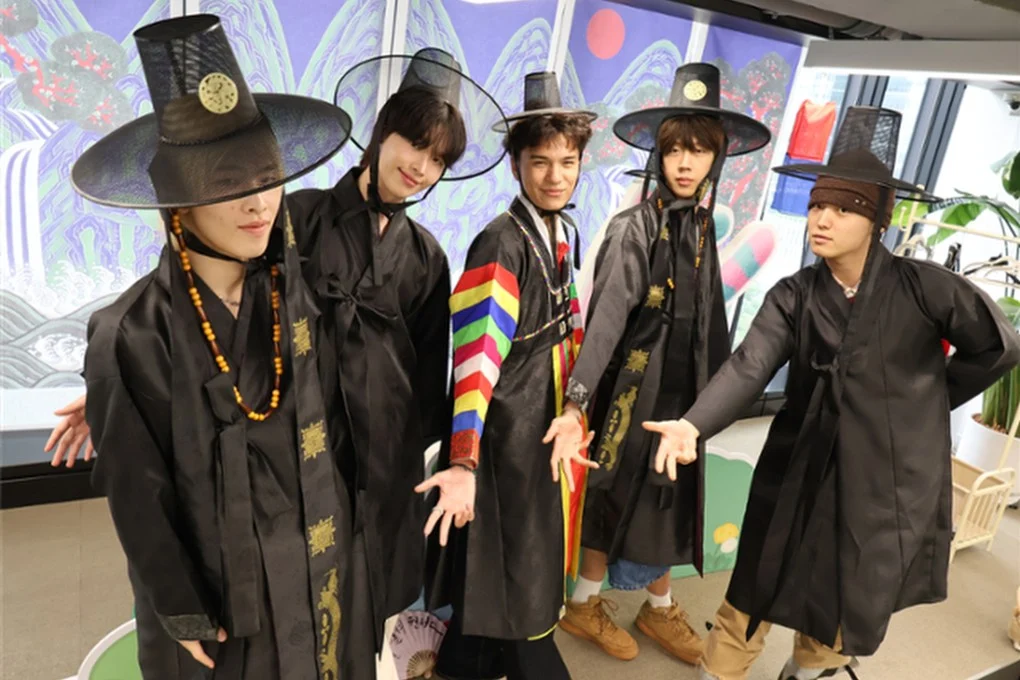
The traditional holiday itinerary, built around passive sightseeing and static city tours, is giving way to a new travel paradigm. A structural transformation is underway in festival tourism as younger travellers shift from mere attendance to immersive, values-driven experiences. This shift is reshaping how, why, and where modern travellers move across the globe—and the industry is taking serious notice.
Gig-tripping: the new driver of travel demand
For tourism boards, hospitality brands, and event operators across Asia and beyond, understanding this evolution is no longer optional—it is the prerequisite for capturing the next wave of international arrivals. The trend, dubbed "gig-tripping," sees young travellers prioritizing live experiences over material possessions. According to recent industry reports, approximately two-thirds of 18-to-35-year-olds would choose a ticket to a live event over a physical product of equivalent value.
While previous generations viewed music festivals or cultural events as secondary add-ons to a broader vacation, Gen Z and Gen Alpha construct their entire travel plans around the event itself. The scope of these pilgrimages has expanded far past traditional mass-market music lineups. High-growth segments now include mega regional K-pop gatherings, as seen in the massive impact of supergroup BTS's Arirang tour; immersive anime and gaming conventions; sports tourism; and hyper-localised seasonal celebrations.
Host destinations that successfully secure these specialized events are seeing immediate windfalls, as fans descend in record numbers to build multi-day itineraries around their chosen subcultures. For example, Singapore's tourism strategy has shifted to yield as arrivals dip, but event-driven travel offers a counter-cyclical opportunity. Similarly, Thailand is courting Vietnam's young affluent travellers at ITE HCMC 2026, recognizing the spending power of this demographic.
Identity and aesthetics drive booking behaviour
For these digital-native individuals, a festival is not simply a weekend getaway—it serves as a dynamic stage for self-expression and identity transformation. Head-to-toe styling, subculture-specific fashion, and temporary aesthetic shifts are viewed as integral parts of the journey. This emphasis on visual culture directly intersects with how young travellers discover and book their trips.
Social media platforms now function as their primary search engines, replacing traditional travel agencies and static guidebooks. Festival organisers and destination marketers are responding by designing shareable, highly visual physical architecture on-site. These immersive installations do double duty: they enrich the guest experience while leveraging attendees' digital footprints as a viral marketing vector to attract global audiences.
Phygital experiences meet Gen Alpha expectations
Generation Alpha, the first to be raised entirely alongside virtual worlds such as Roblox and Fortnite, brings elevated expectations to the physical event space. To engage these youth audiences, festivals are adopting phygital (physical + digital) models that blur the line between real-world grounds and digital environments. Future-proofed event sites are deploying augmented reality (AR) scavenger hunts across fairgrounds, launching virtual twin festivals online, and offering digital collectibles that unlock real-world perks.
Passive consumption is actively rejected, and modern attendees expect interactive apps, crowdsourced itinerary tools, and multi-channel booking engines that give them agency over their festival ecosystem. Travel technology vendors are stepping up, integrating these tools into GDS and booking platforms to meet demand. For instance, Hainan's 'Cool Hainan' campaign draws global travellers with a digital push, showcasing how destinations can leverage tech to attract younger visitors.
Sustainability is non-negotiable
Perhaps the most defining feature of Gen Z and Gen Alpha travel behaviour is their baseline expectation for ethical and sustainable operations. Environmental responsibility is no longer viewed as a marketing gimmick or a premium add-on—it is a fundamental requirement. Events that fail to execute strict circular waste management, carbon-neutral staging, or local vendor sourcing risk swift backlashes and long-term irrelevance.
At the same time, these travellers demonstrate a strong desire for genuine community immersion: they actively seek out festivals that respect and economically support their host communities, viewing authentic cultural exchange and responsible tourism as essential markers of a trip worth taking. The global baseline for sustainable tourism certification is becoming a key filter for this demographic.
As festival tourism accelerates into its next chapter, host destinations and travel stakeholders must adapt swiftly. Those that embrace gig-tripping, invest in phygital experiences, and uphold sustainability will capture the loyalty of a generation that values memories over things. For travel professionals, the message is clear: the event is the trip, and the trip is the event.