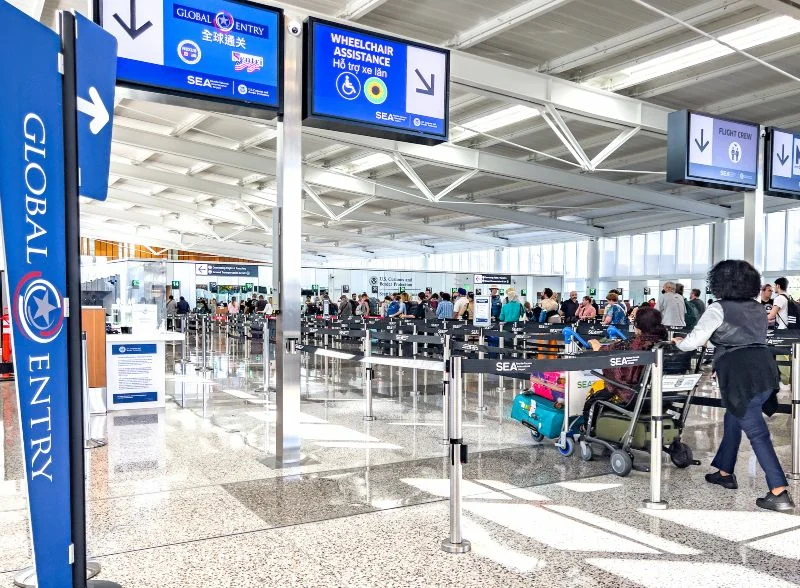
For international travelers, immigration has long been a source of anxiety—long queues, unpredictable questioning, and the fear of denial or detention. As global travel demand surges toward 2026 peak seasons, governments and airport operators are turning to technology to streamline border clearance and reduce friction for passengers and industry alike.
According to travel experts, the stress of immigration is not just a passenger inconvenience; it actively deters tourism and complicates operations for airlines, hotels, and tour operators. A 2025 analysis by TripZilla.ph’s Jeliefer Sumaya noted: “Immigration is supposed to be a routine process, yet many travellers describe it as the most stressful part of their journey. There is the unpredictable set of questions, the tense atmosphere, and the lingering fear that you might be pulled aside for a long interview.”
For nations where tourism is a major economic pillar—such as Thailand, Spain, or the Maldives—intimidating procedures can harm visitor numbers. Immigration lawyer Susham M Modi observed: “For many travellers, particularly immigrants and international visitors, the airport is no longer just a place of transit. It is becoming a place of uncertainty. A combination of government funding disruptions, increased visibility of immigration enforcement, and overlapping federal agency roles has changed how people experience air travel. The result is not just operational disruption: it is growing fear.”
Technology as the Great Equalizer
Digital innovations are now addressing these pain points. Biometric e-gates—already deployed at major hubs like Singapore Changi, London Heathrow, and Dubai International—allow pre-enrolled travelers to clear immigration in seconds, bypassing human officers. These systems use facial recognition and fingerprint scans to verify identity, reducing bottlenecks and the potential for subjective questioning.
Pre-arrival digital forms, such as the U.S. Electronic System for Travel Authorization (ESTA) and Australia’s Electronic Travel Authority (ETA), let travelers submit key details—length of stay, accommodation, flight information—before departure. This shifts the burden from immigration officers to automated systems, minimizing errors and misunderstandings that can lead to unlawful deportation or being declared persona non grata.
According to a 2024 guide by Wavetec: “Digital innovations such as artificial intelligence (AI), blockchain, and biometric systems are streamlining immigration processes, reducing errors, and improving security. Automation tools are expediting document processing, while online platforms are making it easier for individuals to track applications and access legal assistance.”
For frequent business travelers—those flying on routes like Singapore–Jakarta or London–New York—these systems mean faster, less intrusive clearance with each trip. Airlines such as Singapore Airlines and Emirates are integrating biometric data into their check-in processes, while hotel groups like Marriott and Accor are exploring ways to link loyalty profiles with border pre-clearance for seamless arrivals.
The shift also benefits cruise lines, where immigration at ports like Miami or Barcelona can delay embarkation. Carnival Corporation and Royal Caribbean are piloting biometric boarding to reduce wait times, a move that aligns with the broader industry push for contactless travel.
However, challenges remain. In politically charged environments—such as certain U.S. states with heightened immigration enforcement—travelers from Asia, people of color, and LGBTQIA+ individuals may still face scrutiny. Technology cannot fully eliminate bias, but it can reduce the discretionary power of individual officers.
As global travel peaks in 2026, the adoption of these systems will be critical. Destinations like India, which is leading domestic travel trends, and Vietnam, with its new MICE-focused exposition centre in Hanoi, are investing in digital border infrastructure to attract international visitors. The message for travel professionals is clear: streamlined immigration is no longer a luxury but a competitive necessity.
For more on how technology is reshaping travel infrastructure, see our coverage of SIWW 2026 and Boutique Maldives Resorts Join Global Loyalty Programs.