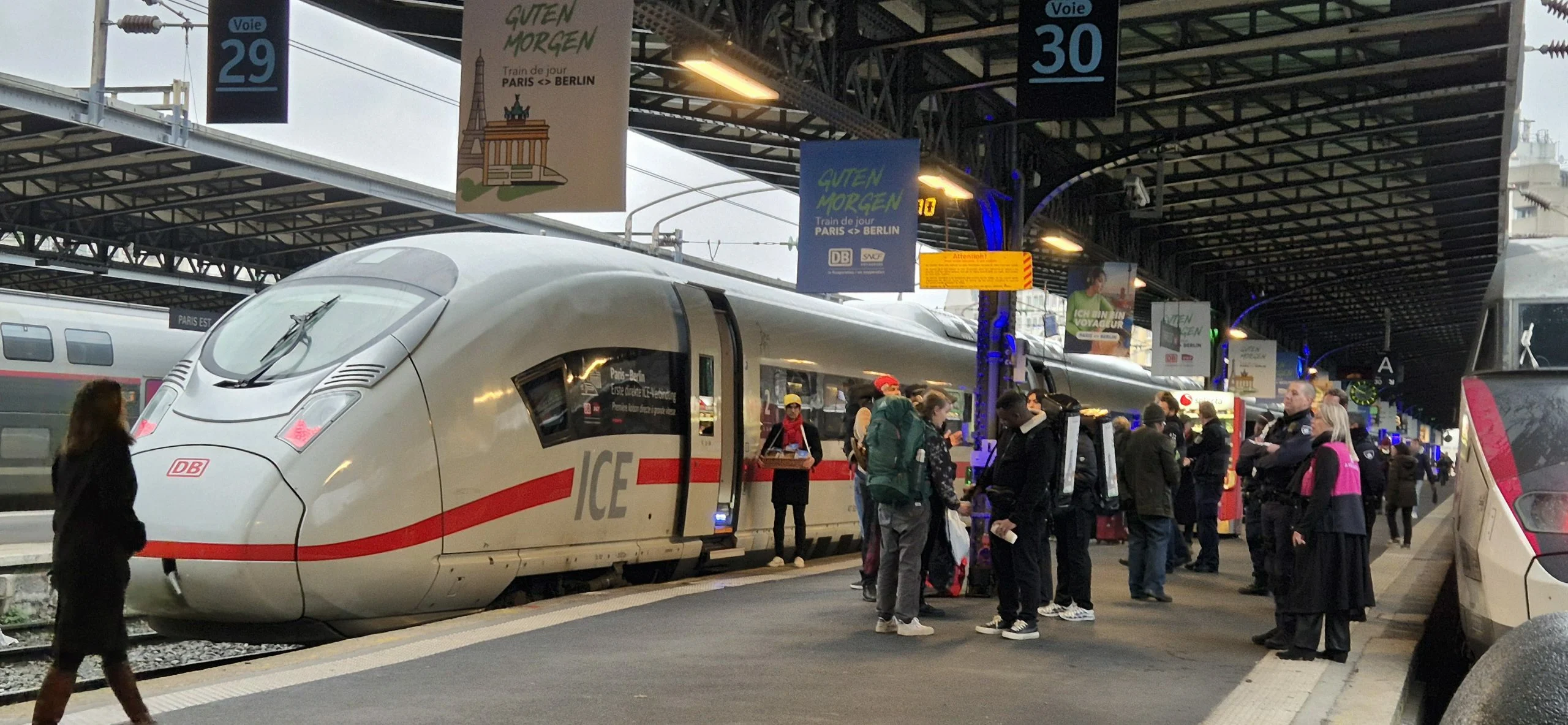
Rail travel is experiencing a global resurgence, driven by a convergence of factors: cost efficiency, safety, luxury, and a growing appetite for experiential tourism. According to a February 2025 report from TMR, the introduction of new train services, itineraries, and destinations has fueled demand across continents. Railbookers, a leading rail travel specialist, reported in its end-2024 analysis that sector revenues have climbed 30% as travelers increasingly opt for slower, more meaningful journeys that also align with sustainability goals.
High-Speed Rail Expands in Asia
Asia is at the forefront of high-speed rail expansion. Indonesia's Whoosh bullet train and Taiwan's high-speed railway have dramatically reduced travel times, making cross-country trips faster and more comfortable. For instance, a journey that once took eight hours by road now takes just two by rail. China and Laos began integrating high-speed connectivity in August 2025, boosting both domestic and cross-border tourism. These developments are reshaping regional travel patterns, offering a competitive alternative to short-haul flights.
In Europe, night trains are making a comeback as an affordable and eco-friendly alternative to intra-continental air travel. Belgian operator NMBS/SNCB has seen a 50% increase in international bookings since 2019, a trend that predates the pandemic and continues to accelerate. The convenience of city-center stations, relaxed luggage policies, and onboard amenities like Wi-Fi and café service are key draws for travelers.
Luxury rail operators are also capitalizing on this momentum. Belmond, known for its iconic trains like the Venice Simplon-Orient-Express, is investing in new itineraries that transform the train ride into the primary destination. This aligns with broader trends in fluxury travel, where deeper, more immersive experiences are prized over mere transit.
Sustainability remains a powerful driver. According to Carbon Click, a journey from London to Nice generates just 36 kg of CO₂ by train, compared to 250 kg by air. Even longer trips, such as London to Tangier via a 48-hour rail and ferry combination, can reduce emissions by up to 85%. Modern electric trains emit around 45 g of CO₂ per passenger-kilometer, roughly half that of diesel-powered trains. By contrast, cruise ships produce approximately 251 g of CO₂-equivalent per berth-kilometer, underscoring rail's environmental advantage.
For travel professionals, these trends signal a shift in consumer preferences. As APAC travel demand holds strong, rail offers a compelling product for agents and operators to package. The rise of high-speed networks in Southeast Asia and night trains in Europe provides new opportunities for itinerary design, while luxury rail services cater to high-end clients seeking unique experiences.
Rail's renaissance is not just about nostalgia; it is a strategic response to modern travel demands. With lower emissions, greater comfort, and immersive routes, rail is positioning itself as a cornerstone of sustainable tourism. As the industry evolves, staying attuned to these developments will be essential for airlines, hoteliers, and tour operators alike.