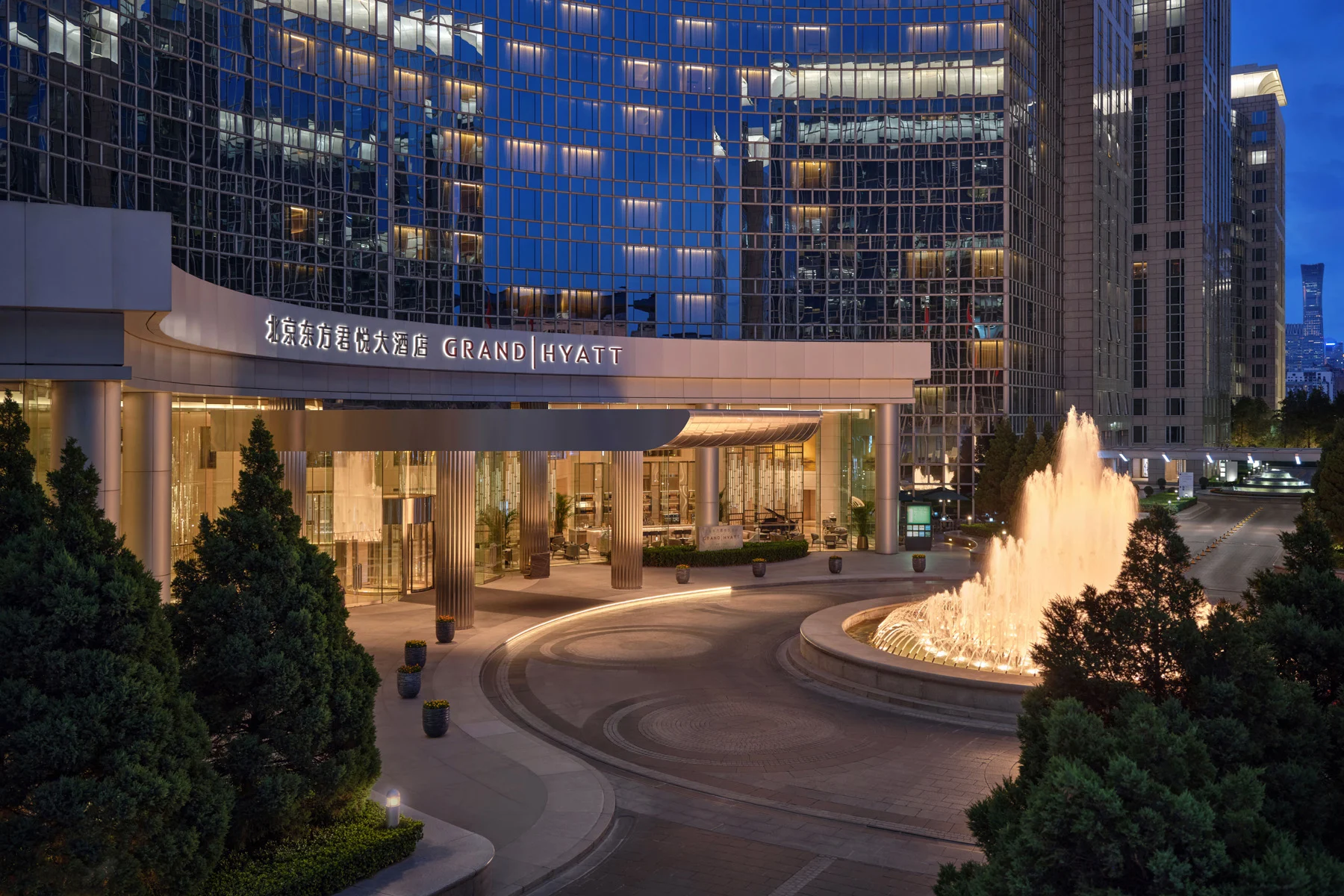
Grand Hyatt Beijing is capitalizing on the city's rising status as Asia's premier destination, drawing a growing share of regional travelers from across Asia Pacific. The property, situated within the Oriental Plaza complex on East Chang'an Avenue, offers direct underground access to one of Asia's largest integrated commercial developments, insulating guests from traffic while keeping them at the city's core. The Forbidden City, Tiananmen Square, and the National Museum of China are all within walking distance, while the Wangfujing subway station provides connections to the broader metropolitan area.
Location as a Competitive Advantage
For travel professionals, the hotel's positioning is a clear differentiator in the competitive central Beijing market. Unlike properties in the Chaoyang business district or the outskirts, Grand Hyatt Beijing places guests steps from the city's most iconic landmarks. The exclusive underground access to Oriental Plaza's retail and dining precinct is a practical benefit for both leisure explorers and corporate executives. This locational advantage is particularly compelling for MICE groups and tour operators seeking to offer clients a seamless blend of history and modern convenience.
Beijing's broader tourism ecosystem is also strengthening. The Beijing Art Season 2026 drew a record 1.27 million visitors, underscoring the city's growing cultural tourism appeal. For hoteliers and destination marketers, this trend signals an opportunity to package stays with cultural experiences, a strategy Grand Hyatt Beijing is well positioned to execute.
Accommodations and Amenities for Discerning Travelers
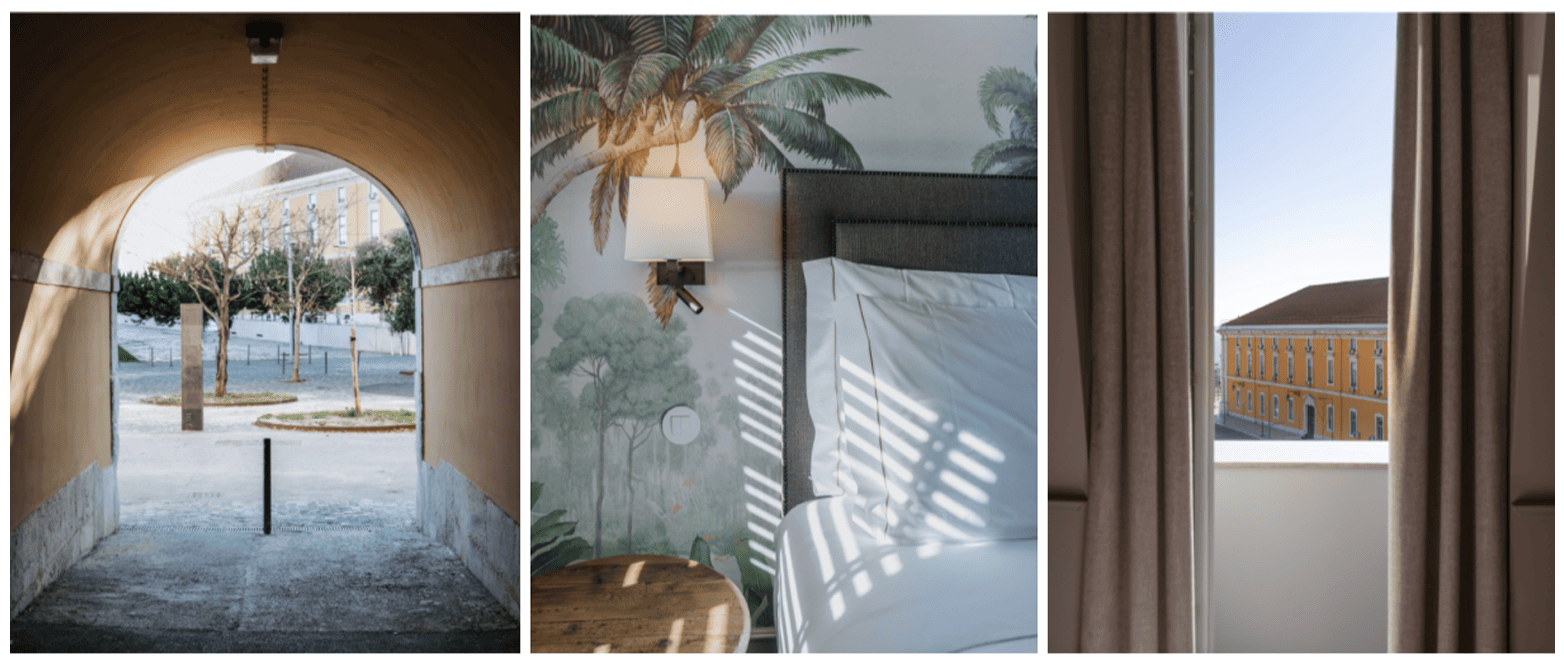
The property features 518 rooms and suites, with contemporary design incorporating subtle Oriental aesthetics. Large picture windows offer sweeping city views, and select accommodations provide rare sightlines of the Forbidden City's imperial rooflines. Pillow-top mattresses, marble bathrooms with separate soaking tubs and walk-in showers, and curated Chinese artwork are standard. For ultra-luxury travelers, the two-storey Presidential Suite on Chang'an Avenue functions as a private residence, complete with 24-hour butler service, a private kitchen, dressing room, and jetted tub sauna. More than 114 suites are available, ranging from 55 to 260 square metres.
The hotel's resort-style wellness facilities, including a fitness center and spa, cater to the growing demand for holistic travel experiences. This approach aligns with broader industry trends, as seen in properties like JW Marriott Tokyo's urban sanctuary positioning, where luxury hotels are increasingly blending city convenience with retreat-like amenities.
Dining as a Destination
Grand Hyatt Beijing's culinary program spans five venues, each contributing to the hotel's reputation as a dining destination. The Michelin-recognized Made in China has served its celebrated Peking duck and Beijing classics from an open kitchen for over two decades, drawing discerning diners from across the city. The Balcony offers an interactive international buffet with home-style Beijing touches and views of historic rooftops. Fountain Lounge, styled after a traditional courtyard, is known for its afternoon tea and evening Champagne Bar. The Patisserie, an Art Deco boutique, sells artisanal cakes, pralines, and chocolates. Round-the-clock room service completes the offering.
For travel agents and tour operators, this dining diversity is a key selling point. Guests can enjoy a full culinary journey without leaving the property, a feature that resonates with families, business travelers, and luxury seekers alike. The hotel's ability to capture Beijing's culinary character—blending tradition with modern indulgence—positions it as a standalone destination within the city.
Regional Traveler Focus
Grand Hyatt Beijing is increasingly targeting regional travelers from markets such as South Korea, Japan, Southeast Asia, and Greater China. The hotel's direct subway connections and proximity to cultural landmarks make it an ideal base for short-haul visitors seeking immersive experiences. This strategy aligns with broader trends in Asian travel, where regional tourism is rebounding faster than long-haul. The Hyatt Brand Explorer Award, which rewards multi-brand stays across Asia Pacific, further incentivizes loyalty among regional travelers who may choose Grand Hyatt Beijing as part of a broader itinerary.
Beijing's status as Asia's premier destination is being reinforced by infrastructure investments and cultural events. The city's subway expansion, high-speed rail connections, and record-breaking art season attendance all contribute to its appeal. For hoteliers, this creates a favorable operating environment. Grand Hyatt Beijing's combination of location, luxury, and culinary excellence positions it to capture a growing share of this demand.
Travel professionals should note that the hotel's competitive advantages are not easily replicated. Its position within Oriental Plaza, direct subway access, and proximity to the Forbidden City are unique assets. As Beijing continues to cement its status as a top-tier destination, Grand Hyatt Beijing is well placed to serve as a gateway for regional travelers seeking both cultural immersion and modern comfort.