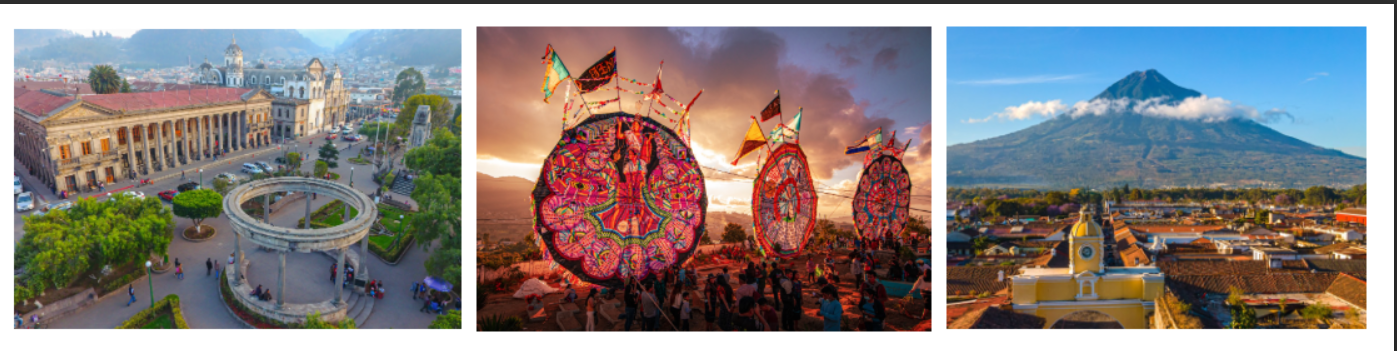
Guatemala's tourism sector is poised for a robust recovery, with the World Travel & Tourism Council (WTTC) forecasting that international visitor spending will reach GTQ 14.9 billion (US$1.9 billion) by 2026. This represents a 21% increase over pre-pandemic levels in 2019, signaling sustained demand from long-haul markets and a strategic push to diversify the country's tourism offerings.
The WTTC's Economic Impact Research projects annual growth of 9.3% in international visitor spending in 2026, underscoring Guatemala's rising profile among global destinations. Tourism Minister and Director-General of the Guatemala Tourism Institute (INGUAT), Harris Whitbeck, highlighted the milestone: "International visitor spending exceeding pre-pandemic levels is a significant milestone for Guatemala and a clear indication of growing demand from long-haul markets." He attributed the growth to Guatemala's unique blend of Indigenous culture and diverse landscapes, which continue to attract travelers seeking authentic experiences.
Economic and Employment Impact
By 2026, the travel and tourism sector is expected to contribute GTQ 55 billion (US$7.2 billion) to Guatemala's economy, accounting for 5.6% of GDP. Employment in the sector is forecast to reach 585,600 jobs, a 43.9% increase from 2019. Looking ahead to 2036, the sector could support over 715,000 jobs, driven by investments in air connectivity and culturally relevant accommodation.
Guatemala is enhancing its air links to key source markets, including routes from the United States and Europe. Airlines such as American Airlines, Delta Air Lines, and Iberia have expanded services to La Aurora International Airport (GUA) in Guatemala City, while low-cost carriers like Volaris and Spirit Airlines are increasing frequencies from hubs like Miami (MIA), Los Angeles (LAX), and Mexico City (MEX). This improved connectivity is critical for sustaining growth, as seen in other destinations like Queenstown Airport, which recently hit a million international passengers and added Brisbane flights.
The government is also investing in accommodation that reflects Guatemala's cultural character, from boutique hotels in Antigua to eco-lodges in the Petén region. This strategic development aims to create economic opportunities while preserving the nation's cultural and natural assets, a model similar to initiatives like Red Sea Global's expansion of Al Wajh Airport to boost tourism infrastructure.
For travel professionals, Guatemala's growth trajectory offers opportunities in tour operations, MICE events, and luxury travel. The country's rich Maya heritage, volcanic landscapes, and colonial architecture provide a compelling proposition for agents and operators targeting experiential travelers. As the sector expands, partnerships with global distribution systems like Amadeus and Sabre will be key to managing bookings and distribution.
Whitbeck emphasized that the WTTC projections validate Guatemala's strategy: "This growth is not just about numbers; it's about creating sustainable livelihoods and showcasing our heritage to the world." With air connectivity improving and cultural investment deepening, Guatemala is well-positioned to exceed pre-pandemic benchmarks and capture a larger share of the global tourism market.