The geopolitical crisis involving the United States, Israel, and Iran has upended air travel across the Middle East, closing key air corridors, spiking jet fuel prices, and depressing regional demand. According to the International Air Transport Association (IATA), the conflict has nearly halved the global airline industry's 2026 profit forecast, with Middle Eastern carriers—heavily reliant on international transit through hubs like Dubai, Abu Dhabi, and Doha—facing the steepest headwinds.
Yet rather than retreating, major Gulf airlines have adopted a multi-pronged strategy: restoring schedules, absorbing cost increases, and doubling down on service quality to preserve passenger confidence and market share. This approach marks a deliberate departure from the widespread capacity cuts seen in other regions.
Capacity Restoration Amid Uncertainty
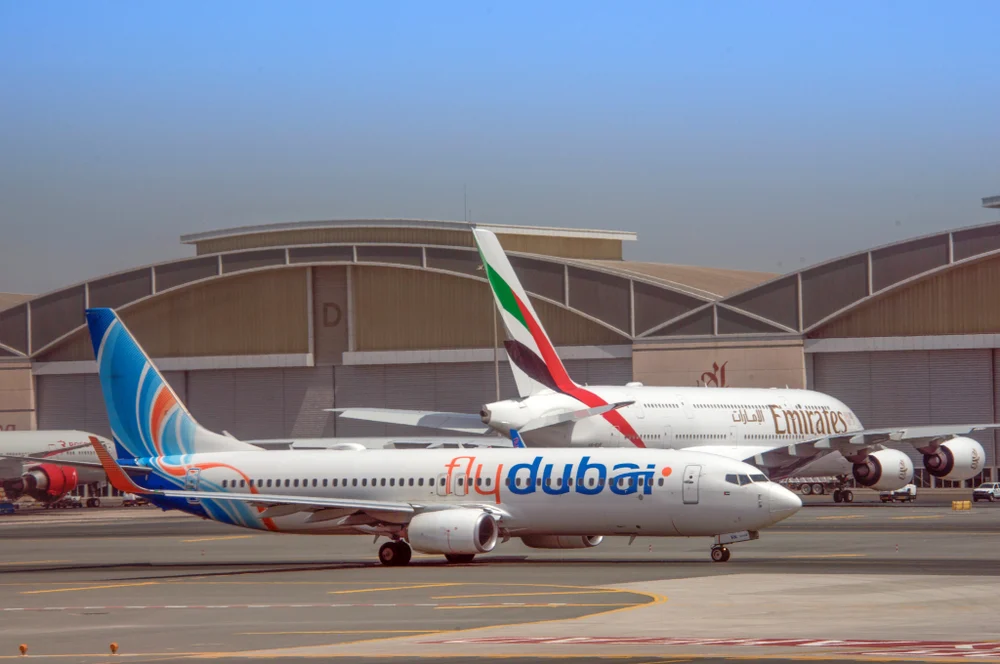
Following the initial outbreak of hostilities, operations at Emirates, Etihad Airways, flydubai, Qatar Airways, and Air Arabia were severely disrupted. By late spring, however, carriers had steadily rebuilt capacity. Emirates returned to nearly three-quarters of its pre-conflict flying levels, while Etihad and Air Arabia restored around half of their normal operations, according to Reuters.
The restoration of services is critical for Gulf hubs whose business models depend on connecting traffic between Europe, Asia, and Africa. By reintroducing routes wherever operationally feasible, airlines have sought to reassure corporate travellers and tour operators that the region remains accessible. Qatar Airways' expansion of Doha–Dubai service to five daily flights by June 2026 exemplifies this commitment to maintaining connectivity.
Cost Absorption and Fuel Hedging
While airlines in other regions have responded to soaring fuel costs by cutting routes and reducing frequencies, several Middle East carriers have chosen a different path. Emirates has publicly committed to maintaining capacity despite higher operating costs from longer flight paths and elevated fuel prices. The carrier continues operating its global network through Dubai while absorbing additional expenses from rerouting and carrying extra fuel reserves for safety reasons.
Industry analysts note that many Gulf airlines initially softened the impact through fuel hedging programmes, which allowed them to purchase fuel at previously agreed prices and temporarily shield themselves from market volatility. While these protections have begun to diminish as the conflict drags on, hedging helped carriers avoid immediate sharp fare increases during the spring travel season. Strong balance sheets have also enabled some Gulf carriers to absorb a portion of the additional costs rather than transferring them directly to customers.
Passenger Confidence and Premium Service
A key challenge for airlines has been convincing travellers that flying through the region remains safe. Emirates has focused heavily on customer reassurance rather than aggressive discounting. Measures include enhanced passenger support, clear communication on operational changes, assistance for stranded travellers, and close cooperation with regulators and other airlines. The carrier has also highlighted intelligence-sharing arrangements and enhanced operational monitoring designed to maintain safe flight operations despite regional tensions.
Rather than competing primarily on price, several Middle East airlines have focused on strengthening their customer proposition. Emirates has continued investing in onboard experience and technology, including the expansion of free Starlink internet connectivity across parts of its fleet. The airline believes service quality and reliability will be more effective than discounting in maintaining customer loyalty during a period of uncertainty. This approach is particularly important in premium travel segments, where Gulf carriers have traditionally differentiated themselves through product quality rather than low fares.
Operational Flexibility and Network Integrity
With numerous air corridors restricted or closed, Gulf airlines have invested heavily in operational flexibility. Industry reports indicate airlines have rerouted aircraft around conflict zones, adjusted flight schedules, and altered connecting-bank structures at hub airports to minimise disruption. While these changes increase fuel burn and flight times, they have enabled carriers to maintain network connectivity and avoid widespread cancellations. For network airlines whose business depends on seamless connections, preserving schedule integrity has become a competitive advantage.
The broader impact on tourism and corporate travel recovery is significant. By restoring routes, maintaining capacity, and promoting operational stability, airlines are helping support broader travel recovery efforts. The return of flight connectivity is particularly important for destinations dependent on international visitors and for large-scale events that require reliable air access. Middle East airlines face a $4.3 billion loss in 2026 as war, fuel costs, and lost transit traffic bite, but the strategic decision to hold capacity may pay dividends once stability returns.