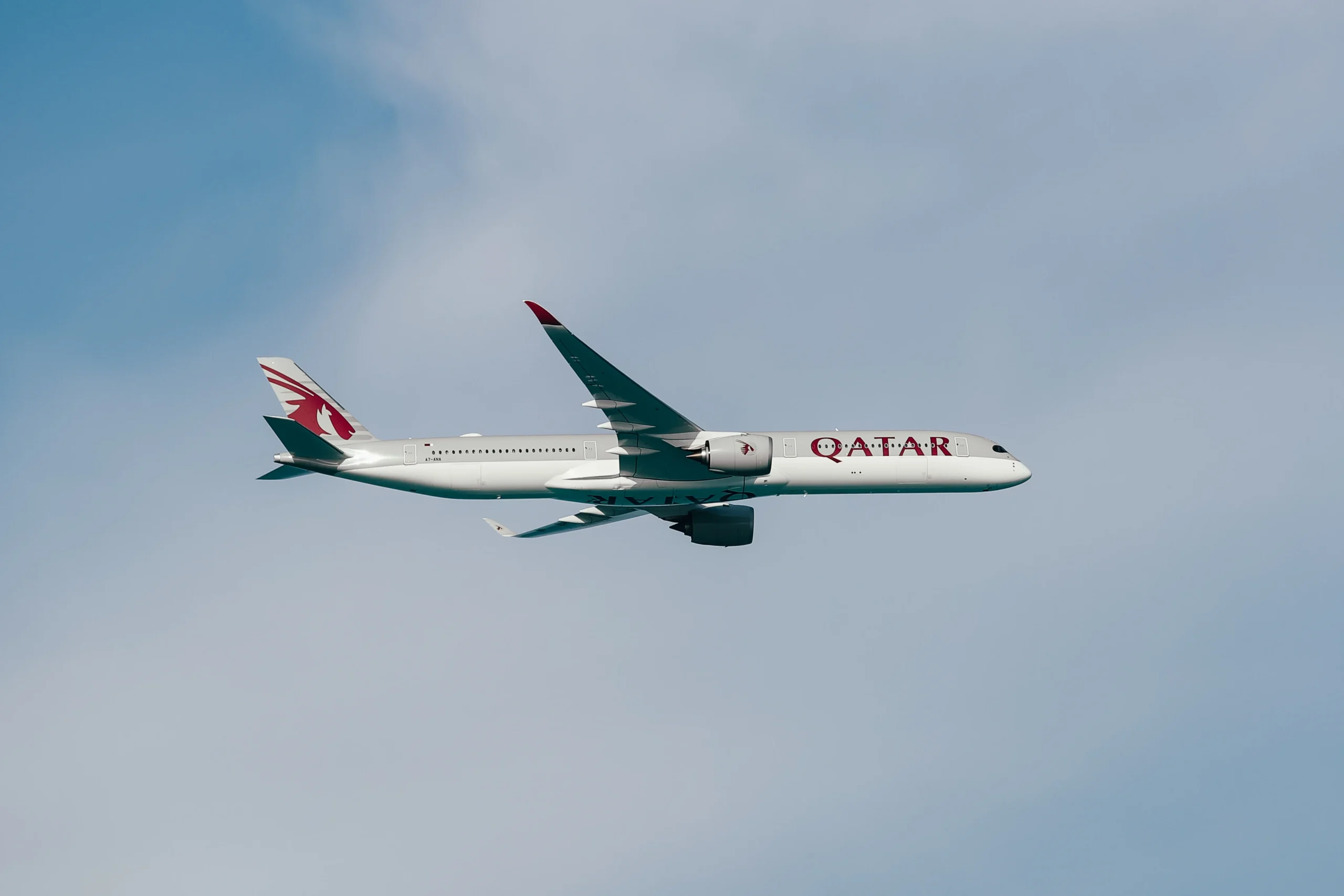
Qatar Airways is set to significantly deepen its presence in the United Arab Emirates market, announcing a phased increase in daily services between Hamad International Airport (DOH) and Dubai International Airport (DXB) from two to five flights by 5 June 2026. The move responds to sustained passenger demand and aims to offer greater schedule flexibility for both business and leisure travellers.
Phased Ramp-Up and Fleet Deployment
The expansion will roll out in three stages. A third daily flight becomes effective immediately, followed by a fourth on 15 June 2025, and a fifth daily service timed for the summer peak season. All flights will be operated using a mix of Boeing 777 and Airbus A350 widebody aircraft, ensuring ample capacity on one of the Gulf’s busiest city pairs.
Once fully implemented, Qatar Airways will offer up to 35 weekly frequencies between Qatar and the UAE, reinforcing its role as a key connector in the region. The airline has been steadily restoring its Middle East network, which now covers over 20 destinations. Services to Dubai and Sharjah resumed in April, followed by Abu Dhabi in May.
This expansion comes as Qatar Airways continues to rebuild its global footprint, targeting more than 160 destinations by summer 2025. The airline’s strategy aligns with broader trends in Gulf aviation, where carriers are leveraging geographic hubs to capture connecting traffic between Asia, Europe, and Africa. For context, Air Astana recently restored its Dubai flights via a Pakistan airspace bypass, highlighting the dynamic nature of route planning in the region.
The increased Doha–Dubai frequency also complements infrastructure developments aimed at improving traveller access. The upcoming Dubai Harbour Bridge, which will cut travel time by 75% and boost waterfront tourism access, is expected to further stimulate demand for flights into the emirate.
Qatar Airways’ decision to ramp up capacity on the Doha–Dubai corridor underscores the carrier’s confidence in the resilience of Gulf aviation demand. The route serves a mix of point-to-point passengers, including corporate travellers, expatriates, and tourists, as well as connecting traffic feeding into the airline’s global network via Doha.
Industry observers note that the move also strengthens Qatar Airways’ competitive position against Emirates and Etihad, both of which operate extensive networks from their respective hubs. By offering more frequencies, Qatar Airways can capture a larger share of the premium and connecting segments, particularly for long-haul routes to Europe, the Americas, and Asia.
Passengers are advised to check the airline’s official website or app for the latest schedules, which may be subject to operational or regulatory adjustments. The carrier continues to prioritise seamless connectivity and passenger convenience as it scales up services.