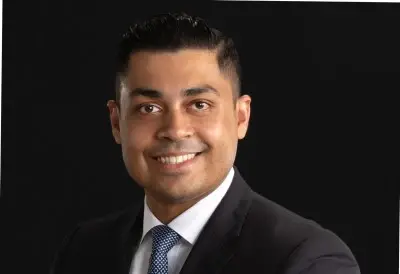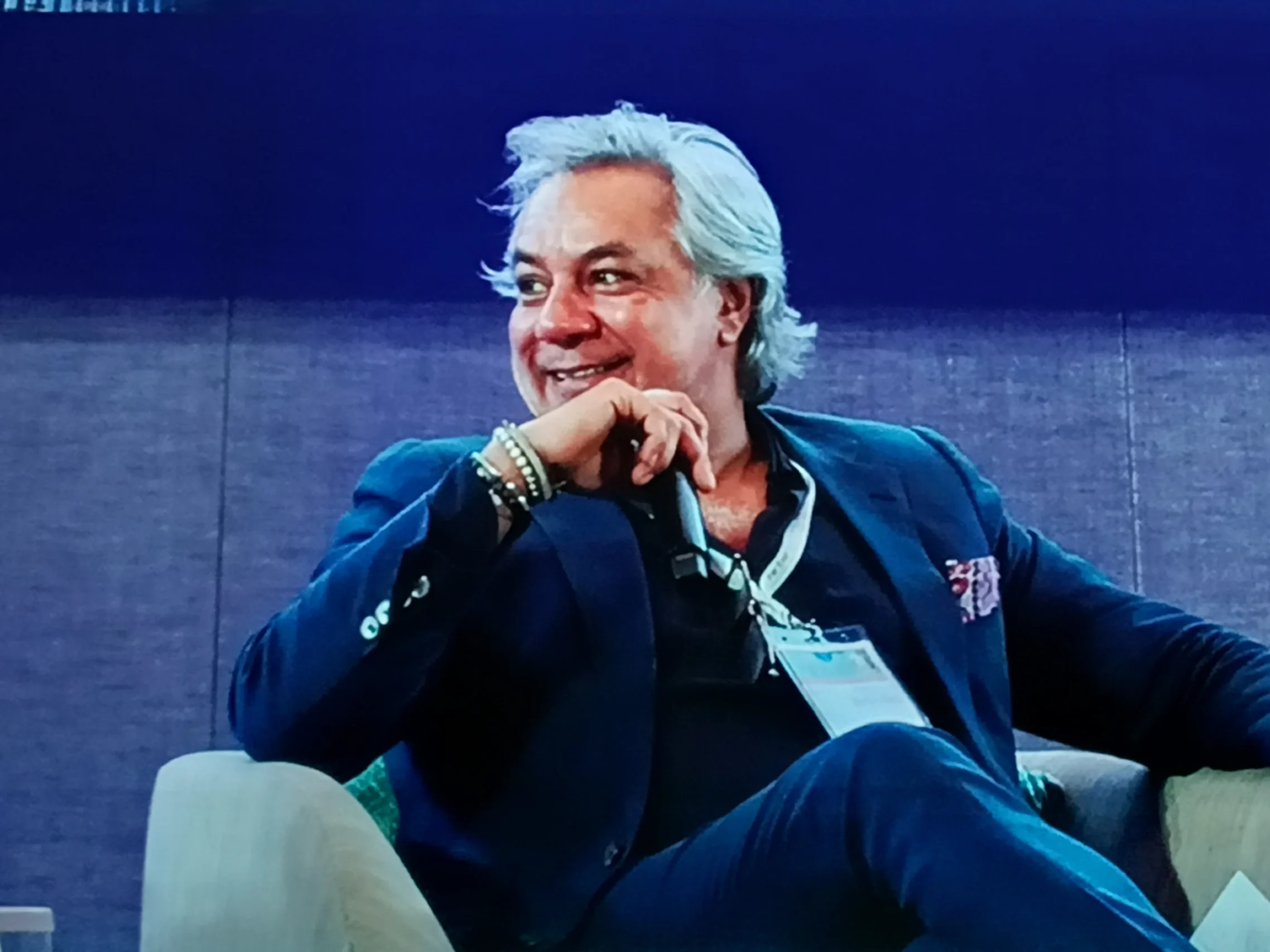
For decades, the Harilela Group has operated quietly behind some of the biggest names in global hospitality. Since 1959, the Hong Kong-based family office has managed assets in partnership with Hyatt, IHG, and Marriott. But at the recent South East Asia Hotel Investors Summit in Bangkok, chairman and CEO Aron Harilela made clear that the group is now charting its own course.
In a fireside chat with HOFTEL’s Simon Allison, Harilela outlined the group’s shift from pure third-party asset management to launching its own luxury boutique brand, The Hari. The move reflects a broader industry trend: as global hotel conglomerates aggressively expand their brand portfolios, a white space has emerged in the upper-upscale and luxury segments — what Harilela calls the four-and-three-quarters star niche.
Filling the Gap with The Hari
“If you look at all the big brands, what they're doing is they're waiting for the smaller brands, who don't have to spend that much money to establish themselves, to occupy that niche, and then acquiring them,” Harilela said. Rather than wait to be acquired, the Harilela Group leveraged five decades of asset management expertise to create its own brand from scratch.
Extensive multi-market research across Tokyo, Seoul, Hong Kong, Singapore, and London informed the brand’s positioning. The name “The Hari” was chosen for its cross-cultural appeal and pays homage to the family’s patriarch, Hari Naroomal Harilela, who passed away in 2014. The brand now operates properties in London and Hong Kong, with plans for further expansion.
Market-Product Fit Over Rigid Brand Standards
One of the most instructive lessons Harilela shared was the critical importance of market-product fit. He recalled the transformation of the group’s London property, originally operated under the American brand Thompson Hotels. The brand’s avant-garde, bohemian image clashed with the elegance of its Belgravia location.
“The founder of Thompson Hotels wanted the [staff at the] Belgravia property to wear Chelsea boots, jeans, and flip-up cuffs. I said, ‘This is Belgravia. If you want to do that, go to Shoreditch,’” Harilela recounted. Once the group shed the bohemian American aesthetic and repositioned the property under The Hari brand, TripAdvisor rankings soared into the top 10, driving a significant RevPAR lift within six months.
Distribution Challenges and Soft-Brand Alliance Talks
Running an independent boutique brand comes with its own set of hurdles. Harilela admitted that during soft patches, OTA distribution at the group’s 210-room Hong Kong property can climb to around 20 percent — a metric they are aggressively working to lower due to high commission structures.
To combat this, the group is in active discussions with global hotel players about a potential soft-brand alliance. “We are having that conversation for three distinct elements: distribution, loyalty systems, and OTA commissions,” Harilela said. This mirrors a broader industry push, as highlighted in our recent piece on Independent Hotels Forge Global Alliances to Tackle Distribution Costs and Scaling Challenges.
However, Harilela remains cautious. He continues to debate with group chief operating officer Brad Kirk on whether to enter a major alliance. “I’m still watching this space. I am not convinced that a big brand will absolutely do well in every single one of our locations. There is not one image to fit all,” he said.
This stance is particularly relevant as the luxury segment sees increasing consolidation. For example, Marriott International and Leali Family Launch Joint Venture to Expand Lefay Luxury Wellness Brand underscores the appetite for brand partnerships, but Harilela’s approach suggests that independence still holds value for owners who prioritize identity over scale.
As the Harilela Group continues to evolve from a traditional family office to an institutional, IRR-driven growth machine, its experience offers a nuanced perspective for hoteliers navigating the tension between brand affiliation and autonomy.