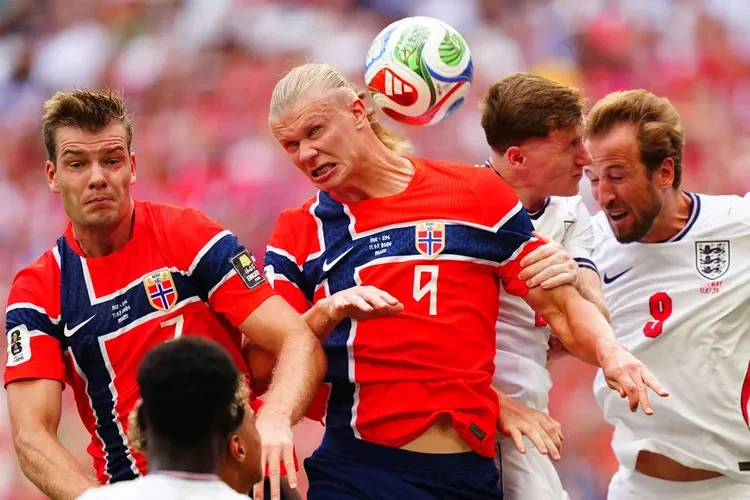
When England defeated Norway 2-1 in the FIFA World Cup quarter-final, the real winners may have been the travel industry. A playful Instagram bet between British Airways and Norwegian evolved into one of the year's most effective real-time marketing campaigns, drawing participation from airlines, airports, and tourism organizations globally. The exchange proved that humor, collaboration, and authenticity can generate more engagement than million-dollar sponsorship deals.
From a Simple Challenge to a Global Conversation
Days before the match, Norwegian challenged British Airways on Instagram: if Norway won, British Airways would temporarily swap its logo on Instagram. British Airways responded with a now-viral line: "Scared? Nor-way, mate." The exchange quickly attracted thousands of interactions, with media outlets and marketers praising the airlines for turning a football match into a brand conversation.
Other travel brands joined in. Malaysia Airlines wrote, "We'll be watching with our satay in one hand and signature drink in the other." Austrian Airlines offered to bring Schnitzel, while Finnair posted a popcorn reaction. airBaltic joked that British Airways was "afraid of Haaland." Even Norway's official tourism account and London Heathrow Airport participated, turning the exchange into a friendly battle between destinations.
The rivalry moved offline when representatives from both airlines met at British Airways' headquarters to exchange logos and seal the bet with a handshake. Norwegian spokesperson Eivind Hammer Myhre said, "After all the comments, all the banter and all the speculation, the handshake has officially been delivered."
A Bet Honored with Style
When England secured victory, Norwegian replaced its Instagram profile picture with the British Airways logo, earning praise for honoring the wager. British Airways responded graciously, offering return tickets to London for Norwegian's social media team. Norwegian, despite the loss, kept its humor: "Waaaait… does this mean I can write anything I want for the next 24h and people will think I'm you?"
Myhre noted the campaign reached tens of millions of people worldwide. "We would never in a million years have anticipated this kind of reception," he said. "This has almost gone from a wager to being a collaboration between two airlines and what seems like the entire internet."
Why This Matters for Travel Marketing
Neither airline was an official FIFA World Cup sponsor, yet they generated global media coverage without spending millions on rights. The campaign underscores a shift in destination marketing: travelers increasingly engage with brands that feel human rather than scripted. For tourism marketers, the lesson is clear—timing, personality, and genuine interaction can outperform polished corporate messaging.
As the travel industry looks ahead to major events like the FIFA World Cup 2026 in Vancouver, this campaign offers a blueprint for cost-effective, collaborative marketing. It also highlights how airlines like Qatar Airways are leveraging World Cup visibility through livery and airshow appearances. Meanwhile, the rise of authentic storytelling aligns with trends like literary tourism, where travelers seek genuine, narrative-driven experiences.
For a few days during the World Cup, the biggest winners weren't just England or British Airways. It was an entire travel industry that reminded millions why personality, collaboration, and good humor remain powerful marketing tools. And it all started with four words that may well go down in social media history.