Hurtigruten Group has finalized a €430 million refinancing of its debt facilities, a move that streamlines its capital structure and lowers annual financing expenses. The transaction, arranged with DNB, Danske Bank, Nordea, and SEB, replaces existing debt with €330 million in new facilities and includes a €100 million equity issue, reflecting strong backing from shareholders.
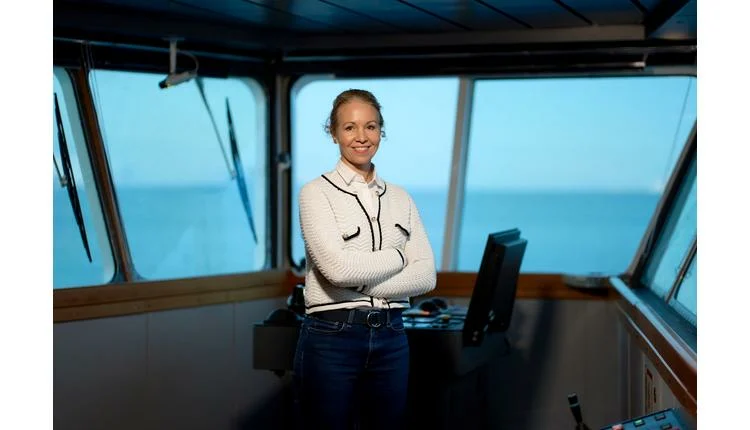
The refinancing comes as Hurtigruten operates as an independent entity following its separation from former parent company in early 2025. CEO Hedda Felin described the deal as a pivotal step: “The transaction significantly reduces financing costs and gives us a solid foundation going forward.” She added that the strengthened balance sheet enables the company to invest in its product and continue delivering unique experiences along the Norwegian coast and in Svalbard.
Strategic Financial Reset
The new debt facilities carry more favorable terms than the previous arrangements, cutting annual interest expenses substantially. The equity component, fully subscribed by existing investors, signals confidence in Hurtigruten’s long-term strategy. The company has been focusing on operational efficiency and sustainable growth since becoming a standalone business.
Hurtigruten’s fleet, which includes battery-hybrid powered vessels, operates year-round voyages connecting Norway’s coastal communities. The company offers two product lines: the Original Coastal Express, a working ferry service with passenger cabins, and premium Signature voyages that emphasize immersive cultural and natural experiences. Its Sea Zero project aims to achieve emissions-free operations, aligning with broader industry trends toward decarbonization.
The refinancing positions Hurtigruten to compete more effectively in the expedition cruise segment, where rivals such as Hapag-Lloyd Cruises and Ponant also target discerning travelers. The company’s strong brand heritage, dating to 1893, gives it a unique advantage in the Norwegian market, but it faces pressure from newer entrants and shifting consumer preferences.
For travel professionals, the deal signals that Hurtigruten has the financial flexibility to invest in itinerary development, onboard experiences, and distribution partnerships. The company is likely to increase its focus on the North American and European source markets, where demand for sustainable expedition cruising continues to grow.
Industry observers note that the refinancing comes at a time when cruise operators are managing higher debt loads after the pandemic. Hurtigruten’s ability to secure favorable terms from Nordic banks—known for their conservative lending—underscores the company’s creditworthiness and strategic clarity.
Felin emphasized that the new financing supports Hurtigruten’s commitment to sustainable travel. “We are investing in battery-hybrid technology and the Sea Zero project to lead the industry toward zero-emission operations,” she said. The company’s ships already use shore power in several Norwegian ports, reducing local emissions.
The refinancing also provides Hurtigruten with resources to enhance its digital booking platforms and agent support tools, which are critical for travel advisors selling expedition cruises. The company has been expanding its trade partnerships and training programs to help agents better understand the product.
As Hurtigruten moves forward, its financial stability will allow it to focus on product innovation and market expansion. The company’s ability to maintain its heritage while embracing modern sustainability standards will be key to attracting both repeat guests and new customers.