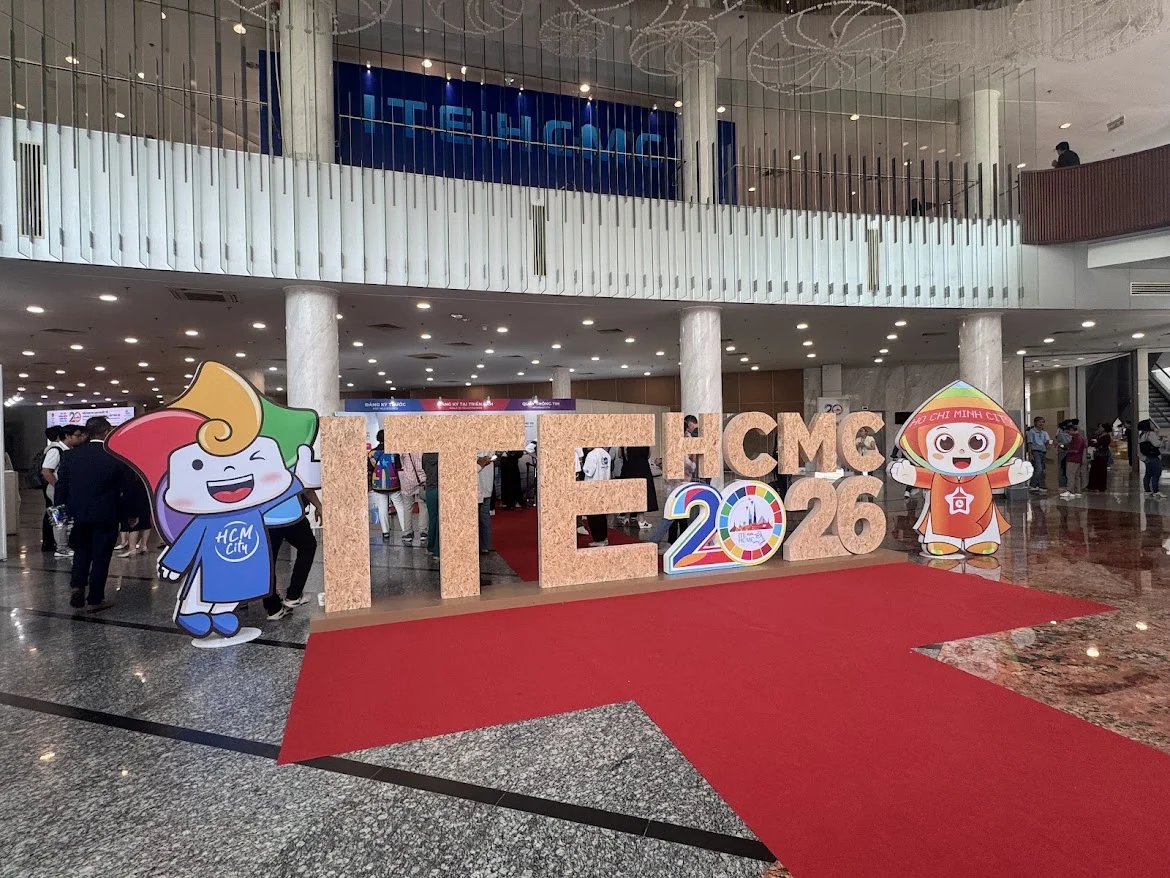
The 20th edition of the International Travel Exposition in Ho Chi Minh City (ITE-HCMC) wrapped up with a clear signal: Southeast Asian tourism is consolidating around regional collaboration and quality-over-quantity strategies, even as geopolitical turbulence reroutes traditional travel patterns. Under the theme “Vibrant Connections, Global Destinations,” the event drew industry leaders from across Indochina and the Mekong sub-region, with a strong focus on joint promotion and MICE development.
Regional synergy takes center stage
Cambodian Minister of Tourism Huot Hak set the tone at the ITE-HCMC High-Level Tourism Forum on August 27, urging Mekong nations to see each other as allies rather than rivals. “Instead of viewing neighbouring countries only as competitors, we should increasingly view one another as complementarity destinations and strategic partners,” he said. “One destination may provide the conference, another the cultural experience, another the incentive programme. Together, we can offer international travellers a richer and more competitive regional experience.”
His remarks echoed sentiments from Vietnamese tourism officials during the ITE-HCMC Vietnam Night on August 26, who described the expo as “a bridge that nurtures friendship, opens new avenues for cooperation, and brings to the world the image of a dynamic, warm-hearted, and welcoming Vietnam.” The collective messaging underscores a broader pivot: as conflicts in Europe and the Middle East disrupt traditional long-haul routes, Southeast Asian destinations are positioning themselves as stable, interconnected alternatives.
From headcounts to high-value travel
A recurring theme at the expo was Vietnam’s deliberate move away from metrics-centric tourism. Instead of chasing record arrival numbers, the country is prioritizing higher-spending visitors who engage deeply with local culture. This aligns with the ASEAN Tourism Ministers Statement, which emphasizes responsible management of natural and cultural heritage. By focusing on per-visitor yield rather than volume, destinations can mitigate overtourism pressures while boosting local economies—premium dining, boutique accommodations, and curated experiences generate more revenue per guest and support local supply chains.
This strategic shift is particularly relevant as global travel demand rebounds unevenly. While mass-market segments remain volatile, luxury and experiential travel are showing resilience, a trend noted by several exhibitors. The approach also enables destinations to showcase authentic narratives, moving beyond superficial “Disneyfied” versions of culture.
Immersive experiences as a differentiator
Ho Chi Minh City itself demonstrated this philosophy with the Loa Loa Show at The Independence Palace, a dinner-and-performance spectacle blending traditional music, dance, and theater with a tasting menu of regional specialties. Such immersive offerings are becoming key selling points for MICE planners and tour operators seeking distinctive incentives.
Historical immersion also featured prominently, with experiences like the Cu Chi Tunnels in Vietnam and the Corregidor tour in the Philippines offering visitors insight into wartime history. These tours, which highlight the human impact of conflict, are increasingly valued by travelers seeking meaningful connections—a trend that aligns with broader industry moves toward regenerative tourism, though progress remains uneven.
Industry implications
For travel professionals, the ITE-HCMC takeaways are actionable. Airlines and hoteliers should note the growing demand for intra-Asian connections, particularly between secondary cities in the Mekong region. Tour operators and agents can leverage the collaborative spirit to build multi-country itineraries that combine business and leisure, as highlighted by Huot Hak’s “complementarity” model.
Technology vendors also have a role, with platforms like Klook and Mastercard expanding their Asia-Pacific partnerships to cater to experience-led travel. Meanwhile, the emphasis on quality over quantity may influence how destinations market themselves, potentially reshaping campaigns like Hainan’s digital push to attract discerning travelers.
As global conflicts continue to disrupt traditional tourism corridors, Southeast Asia’s unified approach offers a blueprint for resilience. The region’s ability to present itself as a cohesive, high-value destination—rather than a collection of competing markets—will likely define its success in the coming years.