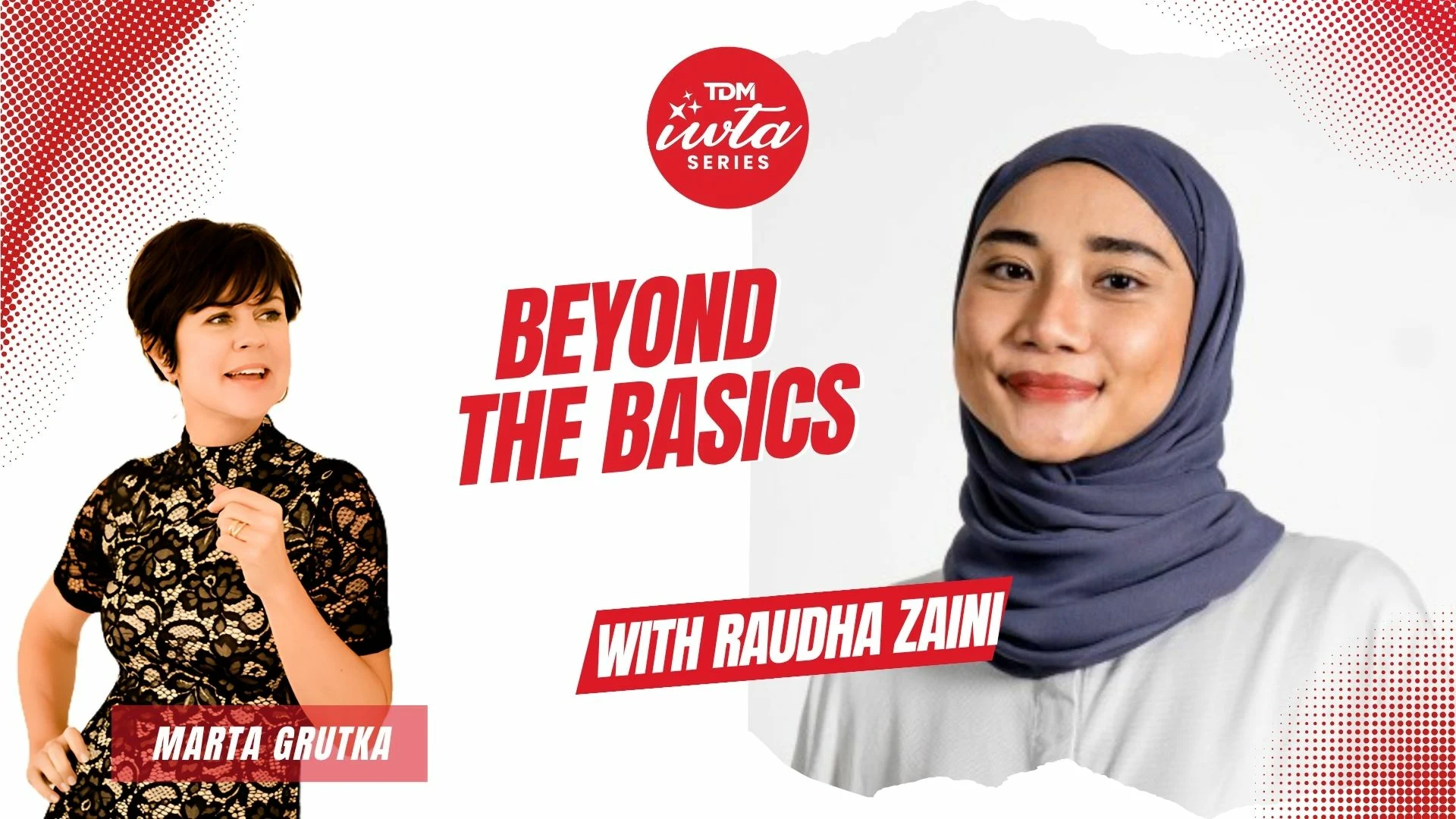
In an exclusive interview with Inspiring Women in Travel Asia, Raudha Zaini, Head of Operations at HalalTrip, outlined the commercial trajectory of the Muslim travel market. The sector, projected to reach 262 million international arrivals and $310 billion in annual expenditure by 2030, demands more than basic halal compliance from travel professionals. Zaini, who has scaled HalalTrip from a three-person startup to a global team of over thirty, stressed that the market is far from monolithic.
Segmenting the Muslim Traveler
Zaini emphasized that destination management organizations (DMOs) often treat Muslim travelers as a single block. “They are coming from many different destinations—the Middle East, Europe, and regional markets,” she noted. Regional and generational differences require tailored engagement. While halal food and prayer facilities remain universal, Gen Z and millennial Muslim travelers prioritize localized storytelling, experiential leisure, sustainability, and AI integration on par with their non-Muslim peers.
HalalTrip’s corporate B2B arm, CrescentRating, partners with institutions like Mastercard to produce data-backed benchmarking and destination reports. These insights help travel brands move beyond assumptions. For example, the company recently worked with four- and five-star properties in Hong Kong to introduce designated halal breakfast sections, unlocking market share without major operational overhauls. Similarly, destinations such as New York City, Germany, and Macau are launching digital halal travel guides to diversify inbound arrivals.
The Female Muslim Traveler: Four Personas
One of the fastest-growing subsegments is Muslim women travelers. CrescentRating data shows 90% travel primarily for leisure, while 33% travel for religious purposes. Zaini identified four key personas for B2B providers:
- Faith-Centered Family Planners: The largest group, focused on multi-generational infrastructure, family-friendly hotel configurations, and group planning.
- Sisterhood Social Travelers: Female-only group travel emphasizing shared leisure, safe community exploration, and wellness.
- Hybrid Travelers: Professionals or students blending leisure with career development, corporate events, or education.
- Independent Solo Travelers: A rapidly growing cohort of Gen Z consumers seeking meaningful cultural engagement.
Zaini advised DMOs to address safety, privacy, and cross-cultural sensitivities to capture this audience. The rise of independent female travel aligns with broader trends in the silver tourism market, where accessibility and tailored experiences are also key.
Scalable Infrastructure and B2B Solutions
A common misconception is that targeting the Muslim travel market requires expensive infrastructure overhauls. Zaini clarified that entry is highly attainable within existing setups. HalalTrip’s Hong Kong hotel collaboration is a case in point: adding halal breakfast sections required minimal disruption. For luxury brands and mainstream regions, the message is clear: integration is straightforward, and the volume is verified.
The halal market represents roughly 10% of global travel. It is affluent, young, and digitally driven. For operators looking to hedge risk and diversify inbound profiles, overlooking this segment means leaving significant growth behind. As the industry navigates challenges such as jet fuel-driven airfare hikes, tapping into high-demand segments like Muslim travel becomes even more strategic.
Zaini’s insights underscore the need for travel professionals to adopt nuanced, data-driven approaches. Whether through partnerships with organizations like CrescentRating or by leveraging digital guides, the opportunity is substantial for those who move beyond basics.