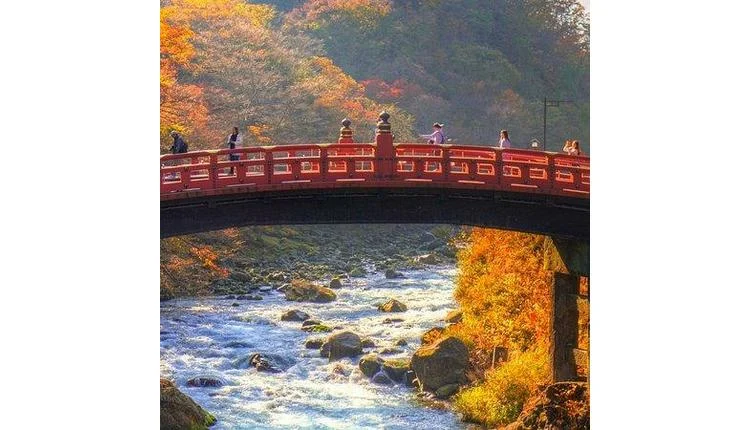
Japan's travel landscape is evolving as international visitors increasingly look beyond the classic Tokyo-Kyoto-Osaka circuit. New data from the Japan National Tourism Organization (JNTO) shows a 65% surge in enquiries for regional destinations during the first half of 2026, even as Tokyo retains its role as the primary entry point for the vast majority of package travellers.
According to JNTO, more than 95% of package itineraries still begin in the capital, underscoring Tokyo's continued importance as a gateway. However, the rising interest in prefectures such as Hokkaido, Okinawa, and Tohoku suggests a broader appetite for authentic, off-the-beaten-path experiences.
Beyond the Golden Route
The trend mirrors a wider global shift toward secondary cities and regions, as seen in Asia's secondary cities outpacing capitals in traveller interest. For Japan, this means regional economies stand to benefit from increased tourism spending, potentially spurring investment in local infrastructure and services.
Tour operators and travel agents are adapting their offerings accordingly. "We're seeing a clear pivot from the traditional Golden Route to more immersive regional travel," said Yuki Tanaka, product director at Tokyo-based tour operator InsideJapan Tours. "Clients are asking for sake brewery visits in Niigata, cycling tours in Shimanami Kaido, and cultural stays in Kanazawa."
The shift is also influencing airline and rail strategies. Japan Airlines (JAL) and All Nippon Airways (ANA) have expanded domestic connections to regional airports, while the Japan Rail Pass continues to facilitate multi-city rail itineraries. For international carriers, the trend could open new direct route opportunities to secondary hubs, though Tokyo's Narita and Haneda airports remain the dominant gateways.
Hoteliers are taking note as well. Major groups like Marriott International and Hilton have been expanding their footprint in regional cities, while boutique ryokans and farm stays are gaining traction among repeat visitors. "The demand is there, but supply needs to catch up," noted Hiroshi Sato, a hospitality analyst at Tokyo-based consultancy Hotel Partners. "Regional hotels and ryokans must invest in digital booking capabilities and multilingual services to capture this growing segment."
The trend also aligns with Japan's national tourism strategy, which aims to disperse visitor flows beyond the over-touristed Golden Route. The government has promoted regional tourism through campaigns and subsidies, and the new data suggests these efforts are bearing fruit.
For travel advisors, the implication is clear: clients are increasingly seeking unique, off-the-beaten-path experiences. "We're seeing more requests for customised itineraries that combine Tokyo with lesser-known destinations like the Noto Peninsula or the Seto Inland Sea," said Maria Chen, a luxury travel advisor at Virtuoso member agency Asia Pacific Travel. "It's a great opportunity to differentiate our offerings."
The rise in regional travel also has implications for the MICE sector, as Taiwan's MICE pitch demonstrates the appeal of venues beyond traditional business hubs. Japan's regional cities are increasingly marketing themselves as destinations for incentive travel and corporate events, leveraging their cultural heritage and natural beauty.
Looking ahead, the shift could encourage further development of regional airports, rail links, and tourism infrastructure. "We expect to see more international flights to cities like Fukuoka, Sapporo, and Naha," said Tanaka. "This will not only benefit travellers but also boost local economies."
As travellers continue to explore beyond conventional paths, Japan's regional destinations are poised to gain a larger share of the tourism pie. For industry stakeholders, adapting to this trend will be key to capturing the next wave of growth.