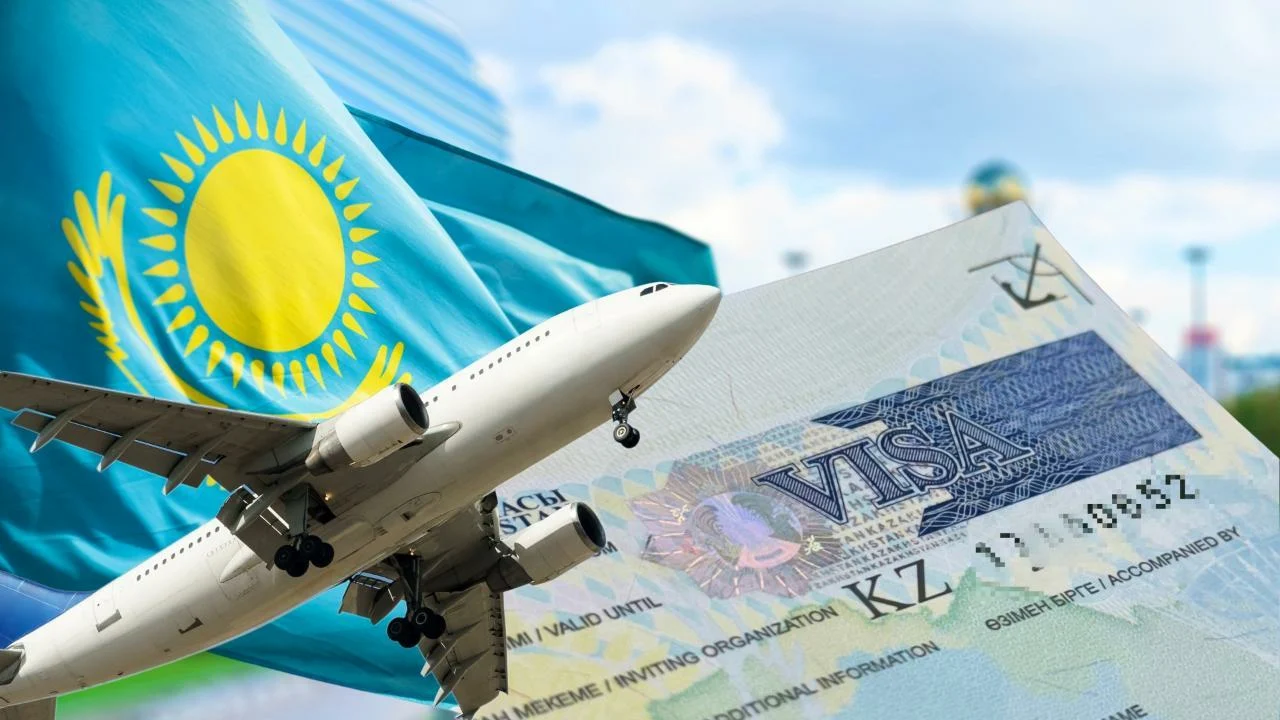
Kazakhstan is rapidly shedding its reputation as a distant, multi-stop destination for intrepid travelers. A decisive overhaul of its aviation framework has turned the Central Asian nation into an accessible, fast-growing regional hub, with record-breaking numbers to show for it.
As of press time, the country has welcomed 15.7 million foreign arrivals, including 11.1 million international tourists, injecting billions into the local economy. At the heart of this surge is an aggressive expansion of international flight connectivity, particularly to the capital Astana.
New routes open up the country
Where reaching Kazakhstan once required complex itineraries, the strategic introduction and resumption of 15 key global routes now offer seamless access across major markets. European capitals including Vienna, Rome, and Warsaw now have direct links to Kazakhstan's main urban gateways. In Asia, capacity has scaled up significantly on long-haul leisure and business routes to Shanghai, Tokyo, and Seoul.
The Middle East has seen a major expansion in flight allowances to Saudi Arabia, jumping from 28 to 70 weekly flights, unlocking vital traffic from Riyadh and Dammam. A pivotal agreement with Türkiye raised permitted weekly services between the two nations from 120 to 224, with pure leisure routes to resort hotspots such as Antalya and Bodrum almost doubling from 44 to 86 weekly flights.
Open skies policy: a catalyst for competition
Crucial to this operational momentum is Kazakhstan's Open Skies policy, now extended through 2027 across 12 international gateways, including Astana, Almaty, and Shymkent. By waiving frequency caps and offering fifth-freedom traffic rights to foreign carriers, the regulatory shift has driven down airfares, heightened airline competition, and drawn low-cost giants such as Wizz Air Abu Dhabi, FlyNas, and IndiGo.
Domestically, home-grown budget carrier FlyArystan is servicing incoming international guests with affordable onward connections inside the country. The government is also ensuring that newly arrived visitors move well beyond the primary capitals. Aviation growth is being paired with extensive infrastructure development designed to channel travelers toward the nation's standout natural landscapes.
Almaty continues to serve as the chief springboard for the Almaty Mountain Cluster and its winter sports offerings, while localized flight capacity has been expanded to feed high-potential areas like the Burabai resort area, the Alakol coastline, and the Balkhash tourism cluster.
Preventing overtourism in key locations
To further decentralize tourism, three purpose-built airports are entering their final stages of development in Katon-Karagai, Zaysan, and along the Caspian coast at Kenderli, promising direct access to Eastern Kazakhstan's national parks and beach resorts. This infrastructure push is part of a broader strategy to avoid overtourism in the most popular spots, a concern that has prompted similar measures in other destinations, such as the recent family-focused expansion at Laguna Phuket.
The economic dividends of this aviation-led strategy are already substantial. Figures from the International Air Transport Association indicate that aviation-supported tourism directly contributes USD 356 million to Kazakhstan's GDP and sustains around 15,000 jobs, with total annual spend by international visitors reaching USD 2.6 billion.
Paired with modernized entry pathways, which include e-Visas for 105 nations and the recently launched Neo Nomad Visa, Kazakhstan's expanded flight map has successfully redefined the nation as one of Asia's most compelling and accessible destinations. For travel professionals, the message is clear: Kazakhstan is no longer a niche stopover but a serious contender in the global tourism market.