Kolkata's festive calendar has become the city's most potent draw for travelers, according to new data from Skyscanner's India Culture Travel Index. The report reveals that 69% of respondents now associate the West Bengal capital primarily with its iconic Durga Puja celebrations, outpacing Bengali cuisine and sweets (53%) and spiritual landmarks such as Dakshineswar and Kalighat temples (52%). The findings underscore a broader industry shift from conventional sightseeing toward immersive cultural engagement.
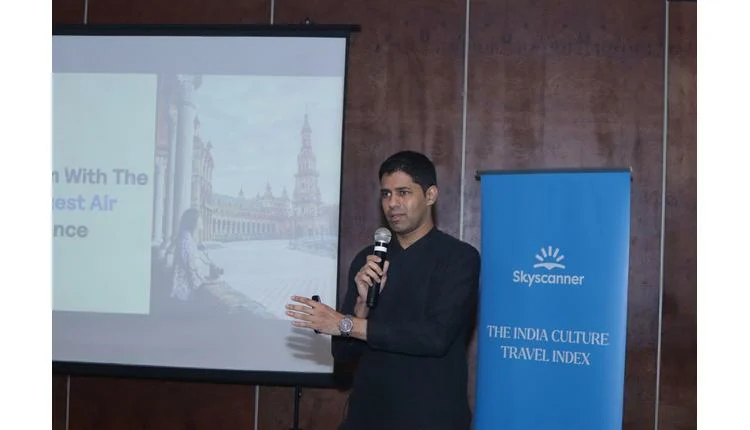
Neel Ghose, Travel Trends and Destinations Expert at Skyscanner India, framed the shift in stark terms: "For Kolkata travelers, culture is no longer just part of the destination, it's increasingly becoming the reason for the trip." The study, which surveyed travelers across India, found that 76% of Kolkata-based respondents have grown more interested in culture-led travel, with nearly half planning holidays around festivals, local traditions, and heritage experiences.
Festivals as primary travel motivators
The data points to a decisive change in booking behavior. A striking 96% of Kolkata travelers said they are willing to venture beyond West Bengal for cultural experiences, while 85% expressed interest in international cultural travel, with Japan emerging as the top destination. Major events such as Durga Puja and Rath Yatra are now significant travel drivers, with 74% of residents considering trips specifically to attend these celebrations.
This trend is not isolated to Kolkata. Skyscanner's broader research on culture-driven bookings across India has shown that festivals and local traditions are increasingly influencing itinerary decisions nationwide, a pattern that travel operators and destination marketers are beginning to leverage.
However, enthusiasm is tempered by practical barriers. Crowd density and accommodation availability during peak festival periods remain the most cited obstacles, according to the report. Skyscanner is responding with tools such as Price Alerts and Whole Month Search, which allow travelers to compare fares across flexible dates and secure cost-effective options for high-demand cultural journeys.
Dr Navina Jafa, an expert in heritage tourism, emphasized the need for sustained investment in India's cultural assets. "The growing appetite for culture-led travel presents a clear economic opportunity," she said. "Supporting and promoting India's diverse cultural expressions will be essential to sustaining this momentum."
For travel professionals, the implications are clear. Airlines, hotel groups, and tour operators serving the Indian market should consider how to package cultural experiences—particularly around major festivals—into their offerings. The success of such strategies is already visible in other regions, as seen in Skyscanner's broader data on culture-driven bookings.
Destination management organizations and MICE planners may also find value in aligning events with local festive calendars. The upcoming World Travel & Culture Expo in Bangkok is one example of how cultural tourism is being formalized as a growth sector across Asia.
For cruise lines, the trend offers a chance to integrate cultural immersion into itineraries. Oceania Cruises' 2026 Caribbean season, which emphasizes local culture and cuisine, reflects a similar industry-wide pivot toward experiential travel.
As Kolkata's festive identity continues to shape traveler expectations, the onus is on the travel trade to respond with products that are both authentic and logistically sound. The city's Durga Puja, already a UNESCO-recognized intangible cultural heritage, is no longer just a local celebration—it is a global travel commodity.