Indian travellers are no longer treating culture as a side trip. According to Skyscanner's new India Culture Travel Index, 67% of respondents now build entire holidays around heritage, festivals, and regional cuisine. The shift is significant for airlines, hotel groups, and destination marketers, who must recalibrate their India-focused strategies to meet demand for experience-led itineraries.
The report, which Skyscanner says is based on a survey of Indian travellers, identifies five key drivers it groups under the acronym R.O.O.T.S. — Heritage, Open discovery, Festival tourism, and regional food experiences. Heritage remains the strongest pull, with 47% of travellers planning trips around historical sites, particularly in Kerala, Rajasthan, and Uttarakhand. That is a clear signal for hoteliers and tour operators in those states to package cultural immersion rather than generic sightseeing.
Festivals and food are now booking triggers
Festival tourism is a major catalyst. The index shows 72% of travellers are willing to schedule trips around cultural or religious festivals, with Durga Puja, Ganesh Chaturthi, and Navratri Garba cited as top draws. For cruise lines and tour operators, this opens a window for themed departures timed to these events, similar to how Oceania Cruises' 2026 Caribbean season leans into local culture and cuisine.
Food is another powerful motivator. 41% of travellers are drawn to food, craft, and heritage trails, and 43% specifically seek out regional food experiences. This aligns with broader industry trends: destinations like Bangkok, which will host the World Travel & Culture Expo 2026, are betting on gastronomy as a core draw for Asian travellers.
Social media is also shaping decisions. 42% of respondents say they are influenced by YouTube and social platforms when choosing cultural destinations. That means destination marketing organisations and hotel brands need to invest in authentic, visual storytelling — not just static brochures.
Planning windows are lengthening
The report also shows that Indian travellers are planning further ahead. 40% now start arrangements three to six months in advance, a shift that gives airlines and hotels more visibility into demand. Skyscanner's Price Alerts tool is being used to lock in fares around festival periods, which are often peak travel windows.
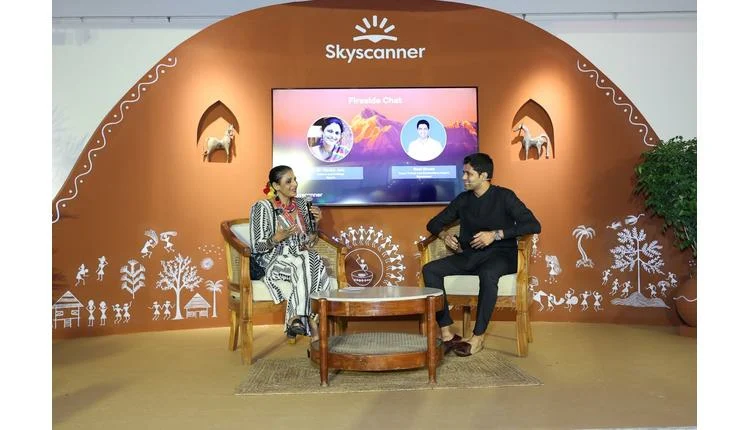
Neel Ghose, Skyscanner's regional director for India, said: "Travellers are starting with the experience they want and then building the trip around it." That is a fundamental change from the old model of picking a destination first and then finding activities.
Dr Navina Jafa, a cultural anthropologist, added that the trend underscores the need for investment in India's cultural heritage. "This is an opportunity for economic growth and conservation," she said, pointing to the potential for heritage sites to become sustainable tourism assets.
For travel professionals, the implications are clear. Airlines serving Indian metros like Delhi, Mumbai, and Bengaluru should consider adding capacity on routes to cultural hubs such as Varanasi, Kochi, and Jaipur. Hotel groups like IHGC, which recently signed a Holiday Inn Express in Krabi with a new design concept, may want to adapt their India properties to highlight local art and cuisine.
The trend also extends beyond India's borders. As Indian travellers seek culture abroad, destinations like South Africa, which just launched a 48-hour ETA for Indian passport holders, could benefit by promoting their own heritage and food scenes.
Skyscanner's data is a reminder that culture is no longer a niche interest. For the travel industry, it is a mainstream booking driver that demands product innovation and targeted marketing.