The global luxury travel sector is undergoing a fundamental redefinition. Where the previous era celebrated conspicuous consumption and maxi-mindset opulence, today's high-net-worth traveler demands something markedly different: personalized enrichment, minimal environmental impact, and authentic cultural immersion. This shift is not merely aesthetic—it is reshaping business models across aviation, hospitality, cruise lines, and tour operations.
Market Trajectory and Demographic Drivers
According to recent projections, the global luxury tourism market is expected to reach between US$2.2 trillion and US$2.36 trillion by 2030, growing at a compound annual rate of 7 to 9 percent. The primary catalyst is a generational handover: Millennial and Gen Z travelers are forecast to account for up to 70 percent of total luxury spend by the end of this decade. These cohorts prioritize experiences over assets, and they hold brands to higher environmental and social standards.
Growth hotspots include regenerative tourism hubs—eco-centric resorts, bespoke itineraries, and AI-driven operational efficiencies at airports and accommodations. The Asia Pacific region is experiencing the fastest uptick in high-end spending, fueled by rising disposable incomes. Meanwhile, mega-projects in West Asia, such as Saudi Arabia's Vision 2030, are setting new benchmarks with initiatives centered on marine conservation and high-tech archaeological heritage sites.
Intimacy and Hyper-Personalization
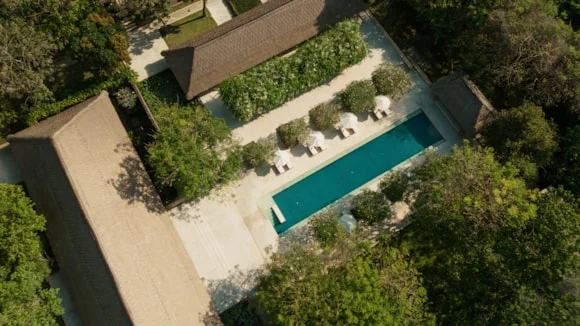
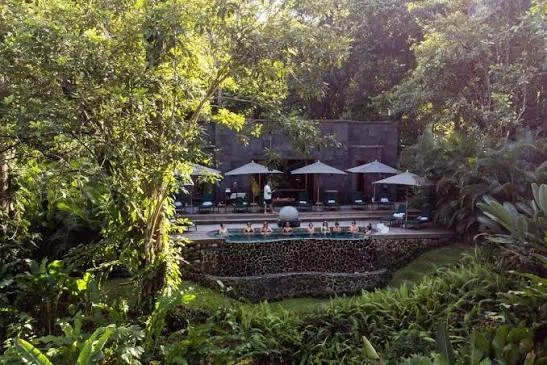
Today's luxury traveler gravitates toward boutique heritage retreats, private pool villas, and small-group itineraries that emphasize regional culinary exploration and cultural depth. This is a far cry from the sprawling resorts and branded excess of earlier decades. Hospitality providers are responding by accelerating the integration of advanced technology to deliver seamless, zero-friction experiences. Agentic AI tools and predictive analytics now manage complex logistics and real-time itinerary adjustments, allowing guests to focus on immersion rather than coordination.
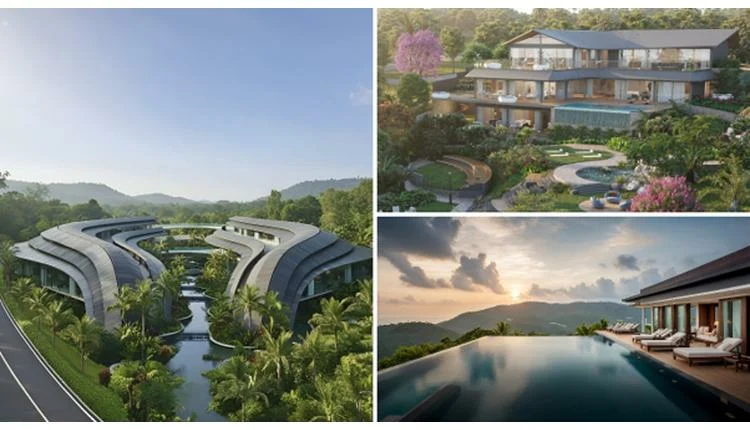
On-property, smart luxury resorts are deploying biometric preference-mapping systems. Upon arrival, guest suites automatically adjust lighting, ambient soundscapes, and temperature to align with an individual's biological profile. High-end agencies are leveraging virtual and augmented reality to offer rich, multi-sensory previews before booking, reducing uncertainty and enhancing decision-making.
In the cruise sector, operators like Ponant and Silversea are expanding their ultra-luxury expedition offerings, emphasizing small-ship intimacy and access to remote destinations. Similarly, Seabourn has unveiled a 54-voyage collection for 2028, marking 40 years of exploration with itineraries that prioritize cultural engagement and low-impact travel.
Regenerative Sustainability as the New Gold Standard
Sustainability has evolved from a niche preference to an absolute imperative. Modern luxury travelers actively seek regenerative options—journeys that enrich local biodiversity and support indigenous communities. This goes beyond carbon offsetting; it demands a net-positive impact on destinations.
Examples include off-grid floating luxury resorts with zero permanent footprints, and off-peak travel programs designed to counter overtourism. In the Maldives, properties like Song Saa Private Island are pioneering dual-destination packages that combine urban luxury with remote conservation-focused stays, as seen in the METT Singapore and Song Saa partnership. In India, The Leela Coorg Forest Sanctuary sets a new benchmark for immersive luxury that prioritizes forest conservation and local community engagement.
Luxury hotel groups are also rethinking loyalty programs. The recent merger of Explora Journeys and Hilton Honors illustrates how land and sea loyalty can be unified to reward sustainable travel choices. Meanwhile, Celebrity Cruises' overhaul of the Celebrity Reflection targets the Caribbean luxury market with upgraded suites and eco-friendly technologies.
Implications for Travel Professionals
For airline executives, hoteliers, cruise operators, and travel agents, the message is clear: the luxury traveler of 2025 and beyond expects zero-compromise personalization combined with demonstrable environmental stewardship. Those who fail to integrate regenerative practices and AI-driven customization risk losing relevance. The winners will be those who can deliver seamless, intimate, and impactful journeys—whether through a private villa in Coorg, an expedition cruise in the Arctic, or a heritage retreat in Rajasthan.
As the sector barrels toward a $2.36 trillion valuation, the opportunity is immense—but only for those who understand that true luxury today is measured not by what you consume, but by what you leave behind.