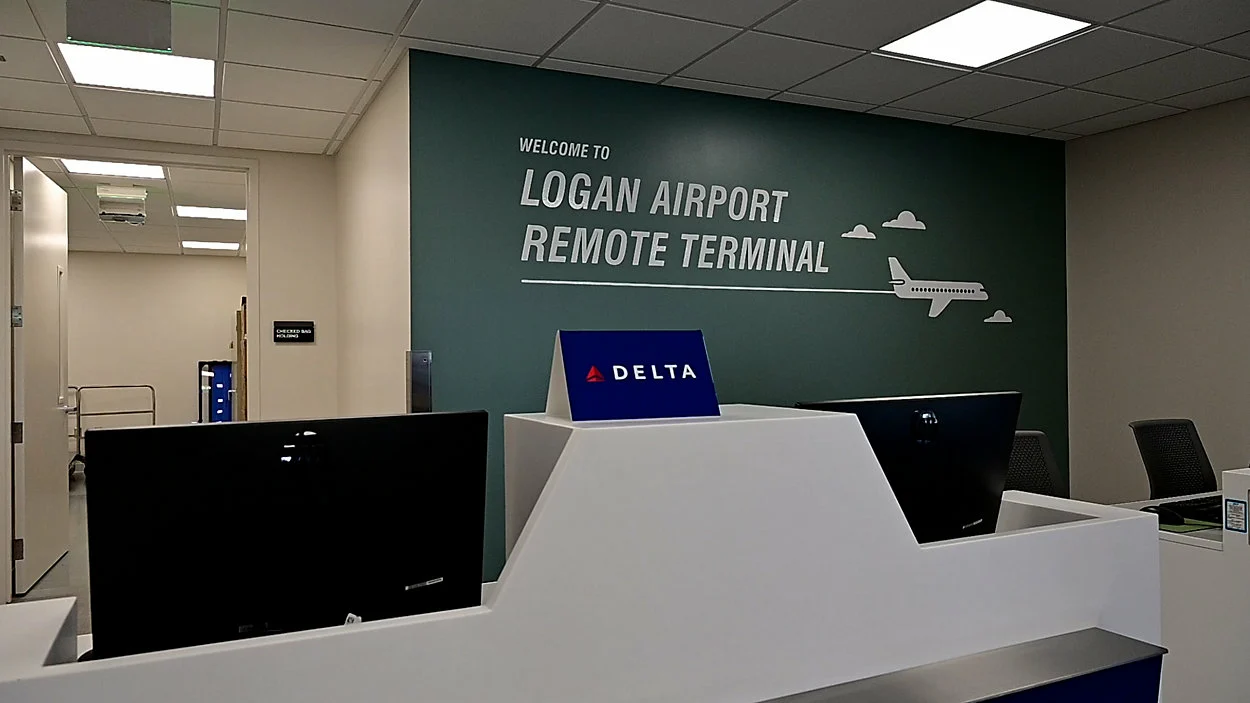
The Massachusetts Port Authority (Massport) has opened the first remote airport terminal in the United States, a facility in Framingham, Massachusetts, that allows passengers on select Delta Air Lines and JetBlue flights to complete check-in, bag drop, and TSA security screening before traveling to Boston Logan International Airport. The terminal, located approximately 20 miles from Logan, is designed to shift key pre-departure processes away from the main airport, reducing congestion and improving the passenger experience.
This initiative comes as US airports handled one billion passengers in 2025, with projections reaching 1.5 billion by 2040. Massport determined that expanding Logan's terminal capacity was not feasible, prompting the authority to explore alternative solutions. The remote terminal leverages SITA's common-use platform to create a fully functional airport environment outside the traditional airport perimeter.
How the Remote Terminal Works
Passengers using the Framingham facility can check in for their flights, drop checked luggage, and pass through TSA security screening to federal standards. After clearing security, they board a secure bus operated by Landline, which transports them directly to their departure gate at Logan. The bus service is integrated into the airport's secure zone, meaning passengers do not need to re-clear security upon arrival.
The pilot programme builds on Massport's existing Logan Express network, which provides bus service from suburban locations to the airport. The remote terminal is currently available for Delta and JetBlue passengers, with reservations required. The pilot will run through the summer, and Massport plans to extend access to additional airlines in the future.
Shawn Gregor, President of SITA Americas, emphasized the operational benefits: "What Massport has done in Framingham is move those friction points twenty miles upstream, reducing the pressure on the airport facilities and passengers' anxiety levels." SITA's scalable platform can accommodate new airlines and locations without significant infrastructure changes, making it a flexible model for other airports.
The Framingham terminal represents a multipartner collaboration. Massport oversees the facility, Landline provides the secure bus service, and TSA conducts security screening. The model could be replicated at other airports facing capacity constraints, particularly those with limited room for physical expansion.
For travel industry professionals, this development signals a shift in how airports and airlines can manage growing passenger volumes. Remote terminals could become a standard tool for congestion management, especially in major hubs where real estate is scarce. The success of the Framingham pilot may influence similar projects at airports such as New York's JFK, Los Angeles International, or Chicago O'Hare.
In related developments, other travel sectors are also exploring remote or near-airport solutions. For example, near-airport Maldives resorts are gaining an edge as high-end travelers skip seaplane transfers, highlighting a broader trend of shifting services away from traditional airport terminals. Similarly, Hyatt Regency Bangkok Suvarnabhumi Airport targets transit travelers with 24-hour check-in, demonstrating how hotels and airports are rethinking the passenger journey.
The Framingham remote terminal also has implications for travel technology vendors. SITA's common-use platform is central to the operation, and its success could drive demand for similar systems from other airports. The platform's ability to integrate with multiple airlines and security protocols makes it a versatile solution for the industry.
Massport's move is a practical response to the challenge of rising passenger numbers without the ability to expand physical infrastructure. By moving check-in and security upstream, the authority is reducing pressure on Logan's facilities while maintaining security standards. The pilot will provide valuable data on passenger adoption, operational efficiency, and potential cost savings.
For airlines, the remote terminal offers a way to streamline operations and improve on-time performance by reducing the number of passengers arriving at the airport unprepared. For passengers, it reduces stress and time spent in line at the main terminal. The model could also be applied to other modes of transport, such as cruise terminals or train stations, where pre-boarding processes can be decentralized.
As the travel industry continues to recover and grow, innovations like the Framingham remote terminal will become increasingly important. Massport's willingness to experiment with new models sets a precedent for other airport authorities and travel stakeholders. The success of this pilot could reshape how airports approach capacity management and passenger flow in the years to come.