For decades, the Maldives luxury resort model has been built around a trade-off: remote seclusion in exchange for a lengthy seaplane transfer. But a growing segment of high-net-worth travelers is rejecting that calculus, opting instead for properties that minimize transit friction without sacrificing exclusivity. Grand Park Kodhipparu, a boutique resort operated by Park Hotel Group, is capitalizing on this shift with a 20-minute speedboat connection from Velana International Airport and a service philosophy that prioritizes human interaction over digital automation.
Gary Marshall, CEO of Travel Daily Media, described his experience at the property: “A key selling point is its proximity, being only a 20-minute, convenient ride from the airport. The check-in process is seamless, where guests are met directly after clearing customs and are taken by boat, then ushered to their overwater bungalow by a butler for direct in-room check-in.” This streamlined arrival eliminates the logistical headaches that often accompany seaplane-dependent resorts, where guests may face hours of waiting and multiple connections.
Anti-Corporate Hospitality as a Differentiator
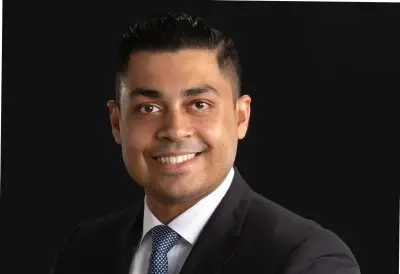
Grand Park Kodhipparu’s approach stands in deliberate contrast to the industry’s increasing reliance on self-service kiosks and mobile check-ins. General Manager Raffaele Solferino, a seasoned hotelier with a hands-on leadership style, has embedded a culture of genuine engagement across the team. Marshall noted: “The stay at Grand Park was authentic, largely due to the engagement of the General Manager, Raffaele Solferino, who is a seasoned hotelier. He and the staff focused heavily on customer engagement and delivering personalised service, differentiating their approach from common hospitality shortcomings, such as asking about food quality at an inconvenient time.”
This personalized care is executed through dedicated Lifestyle Hosts, who coordinate every aspect of a guest’s stay via a private WhatsApp group. From booking a resort buggy to arranging fine dining at the signature restaurant FireDoor, the host handles requests in real time. The model echoes trends seen at other ultra-luxury properties, such as Milaidhoo Maldives, where a staff-as-family culture drives success, but Grand Park Kodhipparu applies it to a more accessible price point.
Natural Assets: Living Reef and Wellness Infrastructure
Unlike many Maldives resorts built on artificial sandbanks, Grand Park Kodhipparu sits on a living coral reef, offering guests direct access from their overwater bungalow decks. Marshall emphasized: “The house reef is genuinely situated on a real reef, which is beneficial for snorkelling, as many Maldivian properties are built on sand. Guests can easily access the reef edge from the overwater bungalows to see diverse and 'amazing marine life'. Guests are provided with free snorkelling gear for the duration of their trip, and the water is safe, beautiful, and tranquil, encouraging even non-swimmers to spend time in the ocean.”
The resort also features one of the longest pools in the Maldives, a well-equipped gym, and daily yoga sessions. Sustainability is integrated into operations through a solar energy grid, an on-site water bottling plant, and coral reef protection initiatives, aligning with the growing demand for responsible luxury travel highlighted in SO/ Maldives CEO Olivier Moies-Delval’s insights on conscious travel demand.
Market Implications for Maldives Resorts
The success of Grand Park Kodhipparu underscores a broader trend: as luxury travelers become more time-sensitive, proximity to the airport is emerging as a competitive advantage. For tour operators and travel agents, this opens up new options for clients who want the Maldives experience without the multi-hour transfer. The resort’s model also challenges the assumption that remote equals exclusive, proving that a 20-minute boat ride can still deliver the intimacy and authenticity that high-end guests seek.
For hoteliers and destination marketers, the takeaway is clear: reducing friction in the arrival process, combined with genuine human-centric service, can differentiate a property in a crowded market. As the Maldives luxury segment diversifies its guest mix—partly due to disruptions in GCC source markets, as discussed in this analysis featuring Raffaele Solferino—resorts that offer seamless access and authentic connection are well positioned to capture a loyal, high-spending clientele.