Cultural tourism, a cornerstone of the global travel industry, is facing a deepening crisis as museums across Europe and North America contend with labor unrest, security vulnerabilities, and chronic underfunding. For travel professionals—from tour operators to hoteliers and destination marketers—the implications are clear: the visitor experience at major attractions is increasingly compromised by staff shortages and operational disruptions.
Unionization and Strikes Reshape Museum Operations
In June 2025, employees at the Louvre in Paris staged a strike, demanding government action to address overtourism's impact on local communities and working conditions. The walkout followed months of failed negotiations and a December 2024 rolling strike, which had already disrupted visitor access. The Louvre's management, already reeling from a high-profile theft of the French Crown Jewels in October 2025, faced a significant blow to its reputation. This scenario underscores a broader trend: as labor shortages intensify across hospitality, museums are no exception.
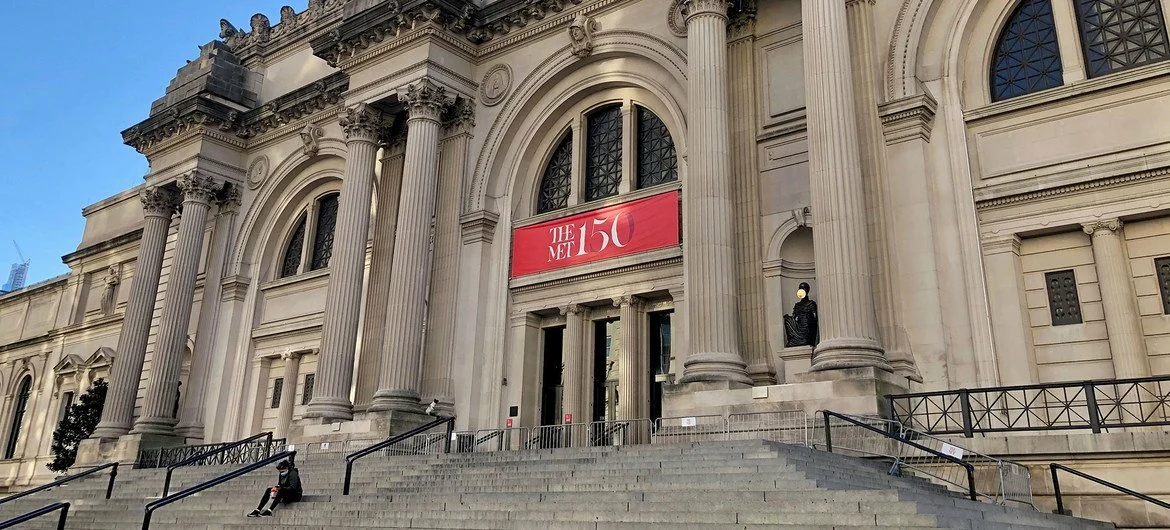
In the United States, staff at New York's Guggenheim Museum unionized in August 2023 after two years of negotiations. Their contract secured a 9% minimum wage increase over 2.5 years, enhanced retirement contributions, four weeks of paid family leave, and retroactive career training funding. While this agreement set a benchmark for part-time and full-time workers, it remains an outlier. According to a March 2025 report from the UK's National Audit Office, over 50% of Britain's 15 government-funded museums and galleries plan to cut staff costs over the next three years, still recovering from pandemic-era losses.
Security Risks and Operational Shutdowns
The confluence of reduced funding and staff cuts has created dangerous workloads, particularly for security and front-desk personnel during peak seasons. As Stephen Reilly, founding director of Remuseum, noted, “The general tone is concern and uncertainty. I’m not sure anyone feels like they have a clear road map to sustainability.” This uncertainty directly impacts travel industry stakeholders who rely on predictable attraction operations. The Louvre heist and ongoing protests highlight how security threats are escalating in cultural venues, demanding urgent attention from destination managers and tour operators.
Budget allocations for hidden technical works—such as climate control and structural maintenance—are often deprioritized in favor of aesthetic renovations. Yet, as the Louvre case shows, neglecting these essentials can lead to catastrophic leaks, burglaries, and operational shutdowns. Museum officials must heed union warnings about building decay, which directly triggers protests and closures.
Implications for Travel Professionals
For airlines, hotel groups, and tour operators, the instability at major museums like the Louvre and the Guggenheim signals a need for contingency planning. Group bookings and cultural itineraries may face last-minute cancellations or reduced capacity. Meanwhile, AI-driven solutions for crowd management and predictive maintenance are emerging as tools to mitigate labor gaps, but they require upfront investment that many institutions lack.
The sector-wide reckoning, as described by ArtNet's Brian Boucher, touches not only budgets but also programming, governance, and the role of museums in civic life. Travel professionals should monitor these developments closely, as they directly affect the quality and reliability of cultural tourism offerings worldwide.