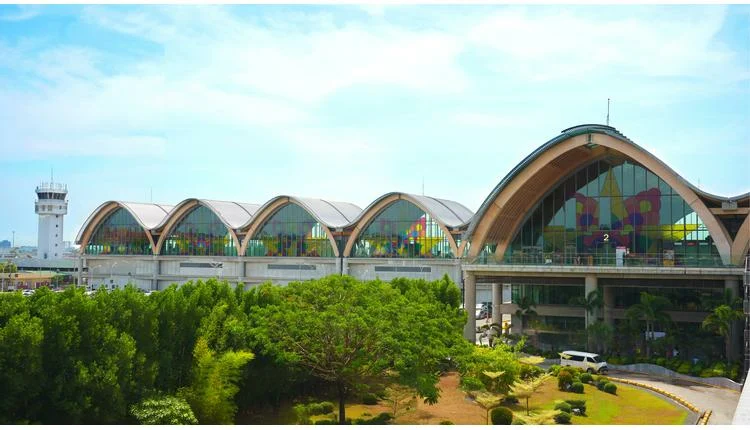
Adani Airport Holdings Ltd. (AAHL) has confirmed that Navi Mumbai International Airport (NMIA) will commence scheduled international operations on 15 July 2026, with Air India Express operating direct flights to Abu Dhabi International Airport (AUH). The route, set to run three times per week, represents the first international link from the airport, which began domestic services on 25 December 2025.
Strategic Expansion for Mumbai Metropolitan Region
The new service positions NMIA as the second global gateway for the Mumbai Metropolitan Region (MMR), a densely populated economic corridor. The route is the result of coordinated efforts between Indian government agencies, the Directorate General of Civil Aviation (DGCA), and airline partners. Since its domestic launch, NMIA has connected 46 cities across India, handled over 2.3 million passengers, and now manages approximately 150 air traffic movements daily.
Air India Express, the low-cost subsidiary of Air India Group, will deploy its Boeing 737 fleet on the Navi Mumbai–Abu Dhabi sector. The carrier already operates extensive Gulf routes from other Indian metros, including Delhi, Mumbai (Chhatrapati Shivaji Maharaj International Airport), and Kochi. The new route adds a second Mumbai-area departure point for travellers heading to the UAE capital.
“We are delighted to launch international operations from Navi Mumbai with direct flights to Abu Dhabi, creating a convenient new gateway to the UAE for travellers from the Mumbai Metropolitan Region,” said Nipun Aggarwal, Chairman of Air India Express.
Cargo and Trade Implications
The inaugural international flight also marks NMIA's entry into global cargo markets. The first outbound shipment consisted of perishable goods, highlighting the airport's potential to support India's agricultural and seafood export sectors. AAHL has invested in cold-chain facilities and cargo handling infrastructure at NMIA, aiming to capture a share of the region's air freight demand, which has traditionally been served by Mumbai's main airport and nearby cargo hubs.
Arun Bansal, CEO of AAHL, commented: “The launch of our first scheduled international flight marks the beginning of a new phase in Navi Mumbai International Airport's journey. We are committed to expanding our network and enhancing connectivity for the region.”
Future Route Development
AAHL has indicated that the Abu Dhabi service is the first of several planned international routes from NMIA. The airport's master plan includes phased expansion to handle up to 90 million passengers annually by 2040, with parallel runways and a dedicated cargo complex. Airlines including IndiGo, SpiceJet, and international carriers have expressed interest in launching services to destinations in Southeast Asia, the Middle East, and Africa.
The timing of the launch aligns with broader trends in Indian aviation: the country's domestic market is recovering strongly post-pandemic, and international traffic from secondary cities is growing. NMIA's location in the eastern suburbs of Mumbai offers relief for passengers who previously had to travel across the city to Chhatrapati Shivaji Maharaj International Airport. The new airport is also connected to the Mumbai Trans Harbour Link and the upcoming Navi Mumbai Metro, improving accessibility for business and leisure travellers.
For travel professionals, the route opens opportunities for package tours, corporate travel, and MICE events linking the MMR with Abu Dhabi's tourism and business ecosystem. Abu Dhabi's Department of Culture and Tourism has been actively promoting the emirate to Indian travellers, and the new direct service is expected to boost visitor numbers. Meanwhile, Air India Express's parent group, Air India, has been expanding its international network under the Vihaan.AI transformation plan, with a focus on Gulf and Southeast Asian markets.
Industry observers note that NMIA's rapid transition from domestic to international operations—within less than 200 days—reflects the efficiency of AAHL's project management and the supportive regulatory environment. The airport's success could influence other Indian greenfield airport projects, such as those in Jewar (Noida), Purandar (Pune), and Mopa (Goa).
For more on regional connectivity trends, see our coverage of Guizhou's push for Malaysian travellers and GOL's new Rio–New York route. The broader context of airport investment in Asia-Pacific and the Middle East is explored in this report on $240 billion in airport spending.