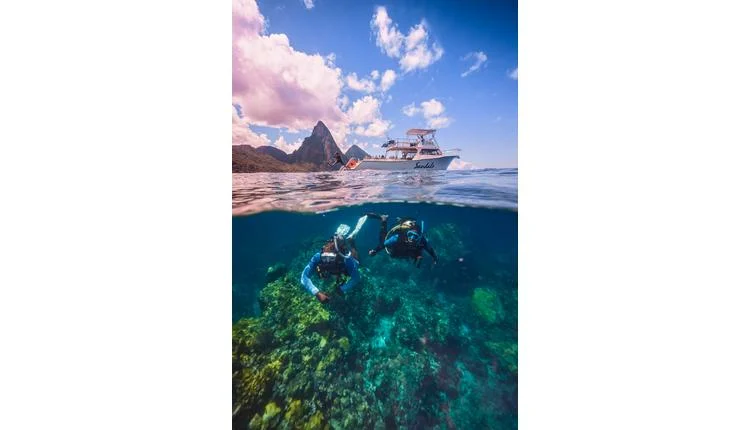
PADI, the world's largest diver training organization, has introduced the Master Scuba Diver Challenge, a structured initiative designed to drive advanced recreational scuba certifications. The program targets the growing segment of travelers seeking skill-based, experiential holidays—a trend increasingly relevant for tour operators, destination marketers, and luxury travel providers.
The challenge encourages divers to attain the Master Scuba Diver (MSD) rating, a milestone achieved by fewer than 2% of PADI-certified divers globally. To qualify, participants must complete core PADI certifications up to Rescue Diver, earn five Specialty Diver Certifications, and log at least 50 dives. This progression mirrors the kind of tiered loyalty and skill-building programs seen in other travel sectors, such as airline status tiers or hotel elite levels.
Grand Prize: Galápagos Liveaboard Experience
The top prize is a seven-day liveaboard trip for two aboard the M/Y Galaxy Diver II in the Galápagos Islands, including airfare, valued at US$18,000. This prize underscores the appeal of remote, high-end dive destinations—a segment that cruise lines and luxury tour operators are increasingly tapping into. The Galápagos, managed by the Ecuadorian government as a protected marine reserve, remains a bucket-list destination for serious divers.
Vinod Bondi, PADI Regional Manager for India and Sri Lanka, noted, “Scuba diving is evolving beyond a recreational activity into a pursuit that offers divers continuous opportunities to build their skills and gain experience to better explore the underwater environment.” This shift aligns with broader travel industry moves toward immersive, educational itineraries that combine adventure with personal development.
Application Process and Timeline
To enter, divers must submit an application along with a brief explanation of their motivation to become a PADI Master Scuba Diver. Additional entries can be earned for each certification completed by 31 December 2026. This extended window allows dive centers and travel agents to promote the challenge as part of multi-year travel planning.
PADI’s network includes over 30 million certified divers and 6,600 dive centers worldwide. For travel professionals, this represents a substantial audience of high-intent travelers who often combine dive training with destination stays. In India, popular dive spots include the Andaman Islands, Lakshadweep, Goa, Kerala, and Puducherry—markets where PADI has been expanding its presence.
Industry Implications
The Master Scuba Diver Challenge arrives as the travel industry sees rising demand for purpose-driven luxury experiences. Dive tourism, a niche within adventure travel, is increasingly intersecting with wellness, conservation, and cultural immersion. Hotel groups and resorts near dive sites—such as those in the Maldives, Indonesia, or the Caribbean—can leverage this trend by partnering with PADI-affiliated dive centers to offer certification packages.
For travel agents and tour operators, the challenge provides a ready-made upsell opportunity: clients planning a beach holiday can be encouraged to add a PADI specialty course, building toward the MSD rating. The prize structure also offers a compelling hook for marketing campaigns targeting repeat divers.
PADI continues to set the standard for dive training and ocean conservation, and this initiative reinforces its role in shaping the dive travel ecosystem. As experiential travel grows, programs like the Master Scuba Diver Challenge will likely influence how destinations and hospitality brands package adventure offerings.