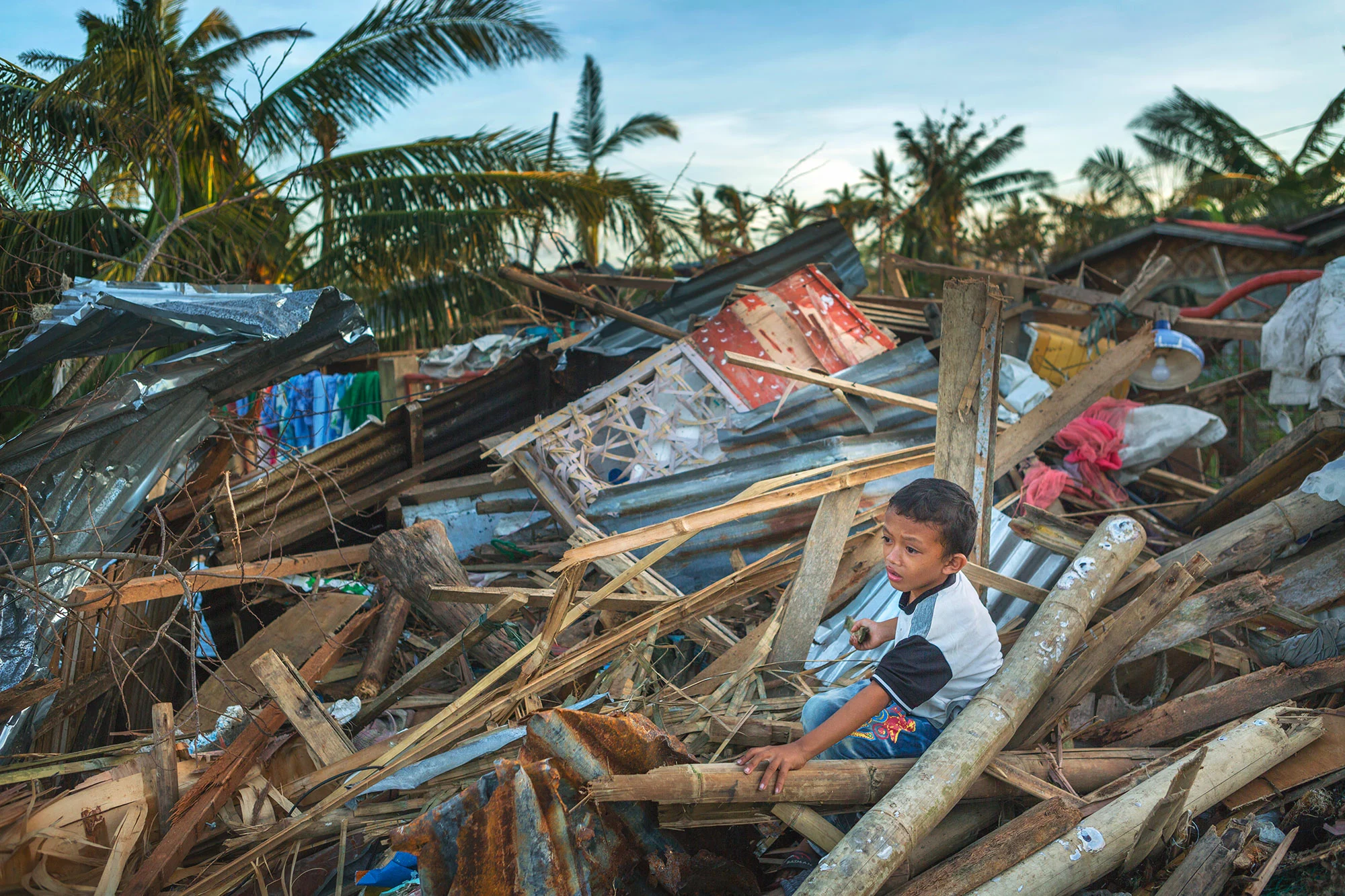
The Philippine tourism sector is recalibrating its growth model as a relentless sequence of typhoons, El Niño droughts, and seismic activity continues to disrupt international arrivals. While the archipelago's natural appeal remains intact, industry leaders and government agencies now recognize that long-term survival depends on structural climate adaptation rather than short-term promotional campaigns.
Official data shows the country has missed its visitor targets into 2026, lagging behind regional peers such as Thailand, Malaysia, and Vietnam. However, a closer look reveals that robust domestic mobility, targeted infrastructure rehabilitation, and portfolio diversification are keeping the industry afloat. The challenge ahead is converting baseline recovery into sustainable growth through eco-friendly building standards, proactive coastal management, and the continued evolution of destination offerings.
Why the Philippines is vulnerable
The archipelago's geographical exposure is a critical variable. Core source markets, most notably South Korea, exhibit high sensitivity to safety perceptions and weather-induced disruptions, leading to immediate booking cancellations. At the same time, coral bleaching and coastal erosion threaten key ecotourism assets in Palawan, Coron, and Boracay. Operational continuity is further complicated by island destinations' reliance on isolated power grids, where logistics breakdowns quickly compromise off-grid electricity supplies.
These factors have forced a strategic rethink. The Department of Tourism (DOT), in partnership with private stakeholders, is executing structural adjustments to insulate the trade from climate volatility.
Government and industry response
Priority is shifting toward climate-hardened infrastructure. This includes regional airport upgrades, network-wide Tourist Rest Areas, and dedicated call centres providing real-time crisis management and emergency coordination. These measures aim to reduce downtime and maintain traveller confidence during extreme weather events.
To mitigate dependence on weather-exposed beach destinations, the DOT is expanding MICE, urban cultural circuits, and medical tourism. Corporate travel into Metro Manila and Cebu has provided a reliable buffer against seasonal hazards, with venues like the Philippine International Convention Center and SMX Convention Center reporting steady bookings. This diversification aligns with broader regional trends, as seen in Southeast Asia's pivot to meaningful, low-risk experiences.
Domestic tourism remains the primary economic anchor, generating over 134 million trips annually. This local mobility sustains occupancy levels across hotels and resorts, supporting more than 16 million livelihoods across the value chain. Airlines like Cebu Pacific and Philippine Airlines have capitalised on this demand, with the latter recently launching a week-long seat sale with 45% discounts to stimulate travel.
To offset volatility in traditional markets, the DOT has rolled out streamlined e-visa systems for India and the Middle East, complemented by expanded Muslim-friendly hospitality certifications. These efforts target emerging demographics and reduce reliance on weather-sensitive source markets. The strategy mirrors moves in other destinations, such as Jordan's shift to Arab visitors as Western arrivals decline.
Industry observers note that the Philippines' resilience is undisputed, but the path forward demands rigorous adherence to sustainable practices. The shift from recovery to growth will hinge on how effectively the country can harden its infrastructure and diversify its offerings. As climate pressures reshape tourism globally, the Philippines' approach could serve as a model for other vulnerable destinations, particularly in the context of regenerative travel gaining ground.
For travel professionals, the implications are clear: expect more resilient infrastructure investments, a broader MICE and medical tourism push, and new opportunities in emerging source markets. The Philippines is betting that climate adaptation, not just promotion, will secure its tourism future.