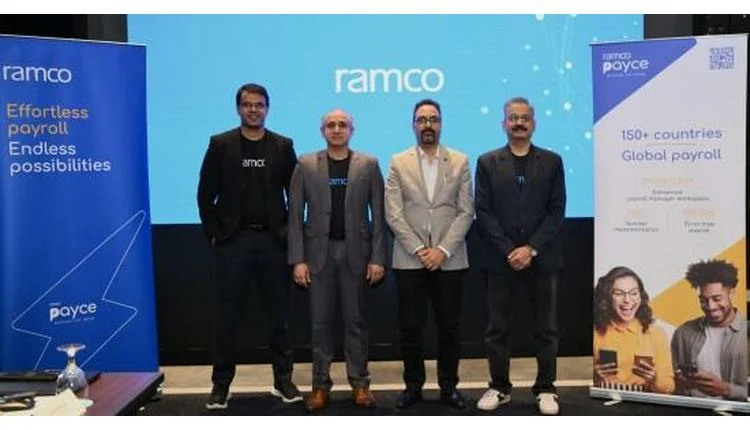
Ramco Systems, a global enterprise software provider with deep roots in aviation, hospitality, and logistics, marked its 30th anniversary in Malaysia by unveiling its next-generation AI-native platform. The announcement came during the Ramco Now & Next event in Kuala Lumpur, where the company demonstrated how its third major platform rebuild will shift from a system of record to a system of intelligence and action.
For travel industry professionals—especially those managing complex payroll, crew scheduling, or inventory across multiple locations—the new platform aims to cut through data overload. Instead of merely storing information, the system highlights critical items and drafts recommended actions for human approval. This is a significant departure from traditional enterprise resource planning (ERP) models that require users to manually assemble reports and decide next steps.
From data to decisions
During the demonstration, Ramco showed how the platform could identify stock shortfalls across warehouses and automatically prepare replenishment requests for approval. This capability has direct applications for airlines managing spare parts, hotel groups overseeing F&B inventory, or tour operators coordinating equipment across destinations.
“Nobody running a business today is short of information,” said Abinav Raja, Managing Director of Ramco Systems. “They are short of the time to go and assemble it into something they can act on.”
The platform leverages artificial intelligence and machine learning to process routine tasks while keeping humans in the loop for final decisions. One of the most striking examples is payroll processing, where continuous validation replaces the traditional monthly cycle. Anomalies are flagged as they occur, reducing the risk of errors that can disrupt employee trust—a critical factor in industries with high turnover and unionized workforces.
Malaysia as a strategic hub
Ramco has operated in Malaysia since 1996, processing payroll for more than 100,000 employees across over 50 organizations. Kuala Lumpur serves as a regional support hub, with Singapore housing the Asia headquarters. The company’s long-standing presence in the region has made it a trusted partner for travel and logistics firms that require reliable, localized software solutions.
CEO Sandesh Bilagi emphasized the importance of client relationships over mere longevity. “Thirty years is not the achievement. Those relationships are,” he said. The event recognized key Malaysian clients, including Valiram Group, Hitachi Energy, and Aurecon, for their contributions to Ramco’s journey.
For travel technology vendors and enterprise buyers, Ramco’s shift toward AI-native systems signals a broader industry trend: the move from passive data repositories to proactive decision-support tools. As Malaysia's hotel sector embraces new payment technologies, the demand for intelligent back-office systems is likely to grow.
Ramco expects its extensive domain knowledge—spanning aviation, hospitality, and logistics—to bolster the new platform’s reach across the Asia-Pacific region. The company’s ability to tailor its software to industry-specific workflows, such as crew management for airlines or room inventory for hotels, gives it a competitive edge against generic ERP providers.
With the platform still in development, Ramco has not announced a formal release date. However, the company’s focus on continuous validation and automated action suggests a future where enterprise software not only tells you what happened, but what to do next—subject to human oversight.
For travel professionals attending events like Malaysia's unified MICE push, the implications are clear: AI-native platforms will become essential for managing the complexity of modern travel operations. Whether it’s optimizing crew rosters, tracking luggage, or forecasting demand, the ability to turn data into action quickly will define the next generation of travel technology.