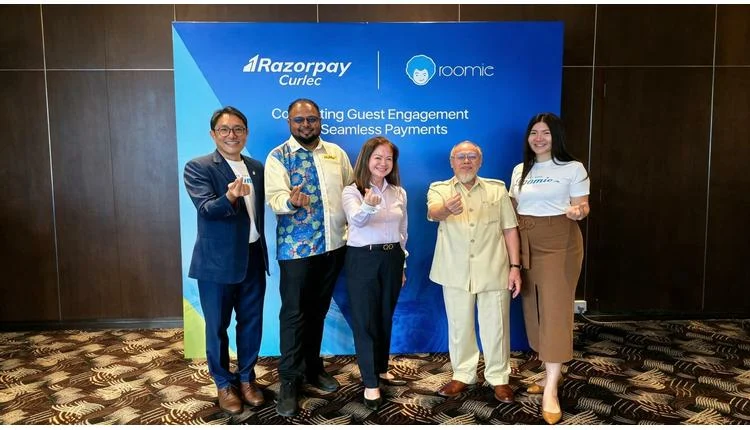
Kuala Lumpur-based guest engagement platform Roomie has introduced what it calls Malaysia's first payment gateway designed specifically for the hotel and tourism sector. The new solution lets guests settle charges for room bookings, room service, and entertainment directly within their preferred booking or chat channels, removing a key friction point in the travel purchase journey.
The gateway integrates popular regional e-wallets, including Alipay for China and Southeast Asia, UPI for India, TrueMoney and Line Pay for Thailand, and GCash for the Philippines. That coverage aligns with Malaysia's extended Visit Malaysia Year campaign, now running through 2027, with China and India remaining priority source markets.
Roomie says the gateway can improve transaction conversion rates by 40%, addressing an industry-wide cart abandonment rate that hovers around 80%. "The hospitality industry has an opportunity to lead in this space by making technology work seamlessly behind the scenes," said CS Goh, CEO of Roomie. He stressed the importance of letting travellers pay with familiar methods, eliminating currency conversion hassles that often deter bookings.
Beyond payments: a broader guest engagement play
Roomie's platform extends beyond payments. It offers mobile check-in and check-out, and consolidates guest communications across multiple channels into a single interface. That unified approach helps hotels deliver consistent service and reduces the likelihood of booking cancellations, a persistent challenge for revenue managers.
The company reports having engaged 5.8 million guests and processed 3.6 million orders to date. It now aims to double its client base across Malaysia, Thailand, and Vietnam within the next year, signalling ambitions to become a regional player in hospitality technology.
Payment fragmentation has long been a pain point for hotels serving international guests. While global card networks dominate in many Western markets, travellers from China, India, and Southeast Asia increasingly expect to pay via local e-wallets. Roomie's gateway addresses that gap, potentially reducing the need for guests to switch between apps or endure currency conversion fees.
The launch comes amid broader discussions about Malaysia's hospitality competitiveness. Industry observers have urged the sector to lift service standards to match regional peers, while some experts argue the country must shift from arrivals to visitor value. Payment innovation is one piece of that puzzle, as smoother transactions can directly influence guest satisfaction and repeat bookings.
Roomie's move also highlights the growing role of technology in reducing operational friction. Hotels that adopt such gateways can cut time spent on manual payment reconciliation and reduce disputes, freeing staff to focus on guest experience. The company's emphasis on chat-based payments reflects a broader trend toward conversational commerce in travel.
For hoteliers, the financial case is compelling. A 40% improvement in conversion rates on ancillary services like room service and entertainment can translate into meaningful revenue gains, especially for properties with high-volume, low-ticket transactions. The gateway's support for multiple regional wallets also positions hotels to capture demand from key inbound markets without requiring guests to hold international credit cards.
Roomie's expansion plans across Thailand and Vietnam suggest the company sees similar opportunities in neighbouring markets, where e-wallet penetration is also high. As regional travel rebounds, such payment integrations could become a standard expectation among tech-savvy travellers.
With this launch, Roomie is betting that removing payment friction will not only boost hotel revenue but also enhance the overall guest journey. As Goh put it, the goal is to make technology work quietly in the background, allowing travellers to focus on the experience rather than the transaction.