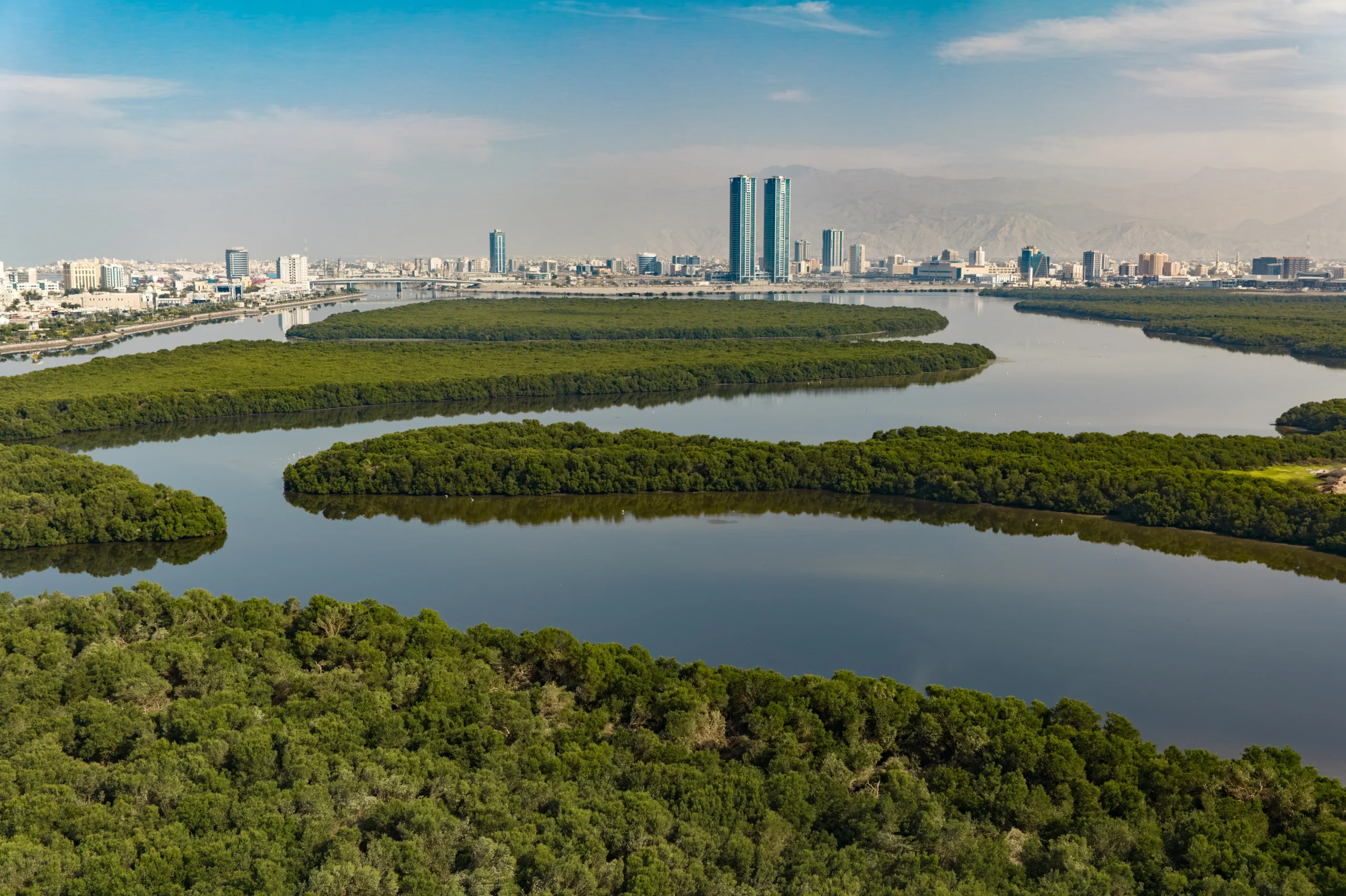
Ras Al Khaimah Tourism Development Authority (RAKTDA) reported a record-breaking first half of 2026, with more than 670,000 visitors arriving in the emirate. The figure marks the highest H1 total in the destination's history, driven primarily by a 47% year-on-year increase in domestic travel. May 2026 was the strongest month ever recorded for visitor arrivals.
Phillipa Harrison, CEO of RAKTDA, said: "The destination remained resilient through a period that affected international travel across the region, and a record first half is testament to Ras Al Khaimah's strength as a short-break destination." The emirate's ability to sustain growth despite broader regional headwinds underscores its appeal to both local and nearby source markets.
New hospitality openings and infrastructure
Several key developments are scheduled to come online in the second half of 2026. The Rotana Ras Al Khaimah – The Mangroves is expected to open in Q3 2026, followed by SAIJ Mountain Lodge by Mantis in Q4 2026. These properties add to the emirate's expanding portfolio of accommodations targeting both leisure and business travelers.
The most anticipated project remains Wynn Al Marjan Island, slated for a 2027 debut. The integrated resort will feature an exclusive production by Punchdrunk, the immersive theatre company, and is expected to significantly raise the emirate's international profile. Wynn Al Marjan Island is part of a broader strategy to position Ras Al Khaimah as a leading leisure destination in the Middle East.
Connectivity improvements are also in the pipeline. Plans for air taxi operations by 2027 and enhanced yacht movement between emirates aim to improve access for high-net-worth travelers and regional tourists alike. These initiatives align with the emirate's target of welcoming 3.5 million annual visitors by 2030, with India identified as a critical source market.
For travel professionals, the growth trajectory in Ras Al Khaimah presents opportunities across segments. Hoteliers and tour operators can leverage the new inventory and infrastructure to package short-break itineraries. The emirate's focus on domestic demand also offers a buffer against volatility in international travel, a lesson relevant to other destinations in the region.
RAKTDA's performance in H1 2026 mirrors broader trends in the Gulf tourism sector, where domestic and regional travel have sustained momentum. As the emirate continues to expand its offerings, it remains a case study in resilience and strategic development for the travel industry.